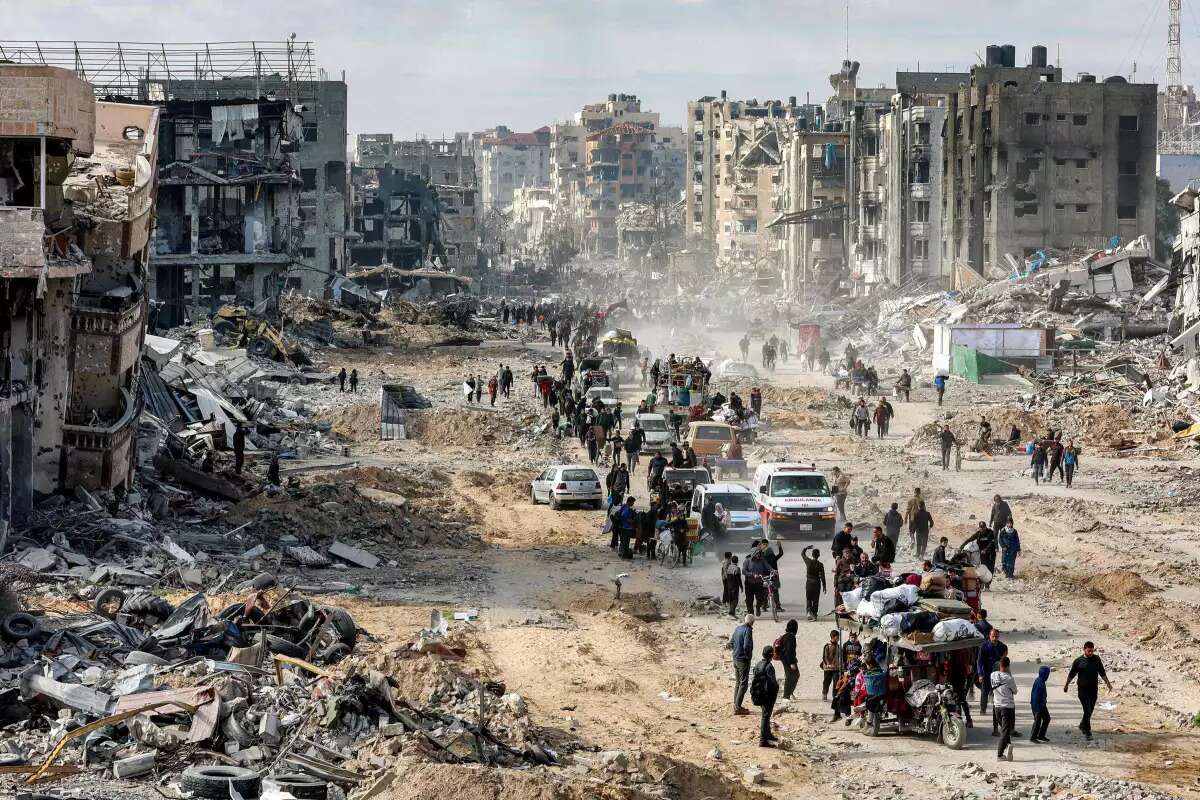
Since the outbreak of the war in Gaza, Israel has been engaged in a deep, and often highly emotional, debate over who should govern the Strip once the fighting ends. The government has voiced strong opposition to any role for Qatar and Turkey in an international mechanism that would assume responsibility for Gaza, arguing that both countries are associated with Hamas, a terrorist organization, and therefore unfit to be partners in shaping Gaza's future.
Behind this resistance, however, lies a strategic mistake. Israel is clinging to an abstract moral consideration instead of managing concrete diplomatic and security interests. The key question is not who is more ideologically "right," but what will better serve Israel's security and long-term future.
Israel's supreme interest is not to punish, ostracize or isolate, but to extricate itself from civilian, economic and security responsibility for two million Gazans without allowing Hamas to reestablish control. Direct Israeli rule over the Strip is not a solution, but a trap.
Such a scenario would mean a return to a model of civilian occupation: responsibility for water, electricity, food and healthcare, daily friction with a hostile population, and constant international pressure that would constrain every security move. A governance vacuum, on the other hand, would be an open invitation for Hamas to return through civilian mechanisms, local militias, control of the black market and weapons smuggling. Neither option serves Israel's interests.
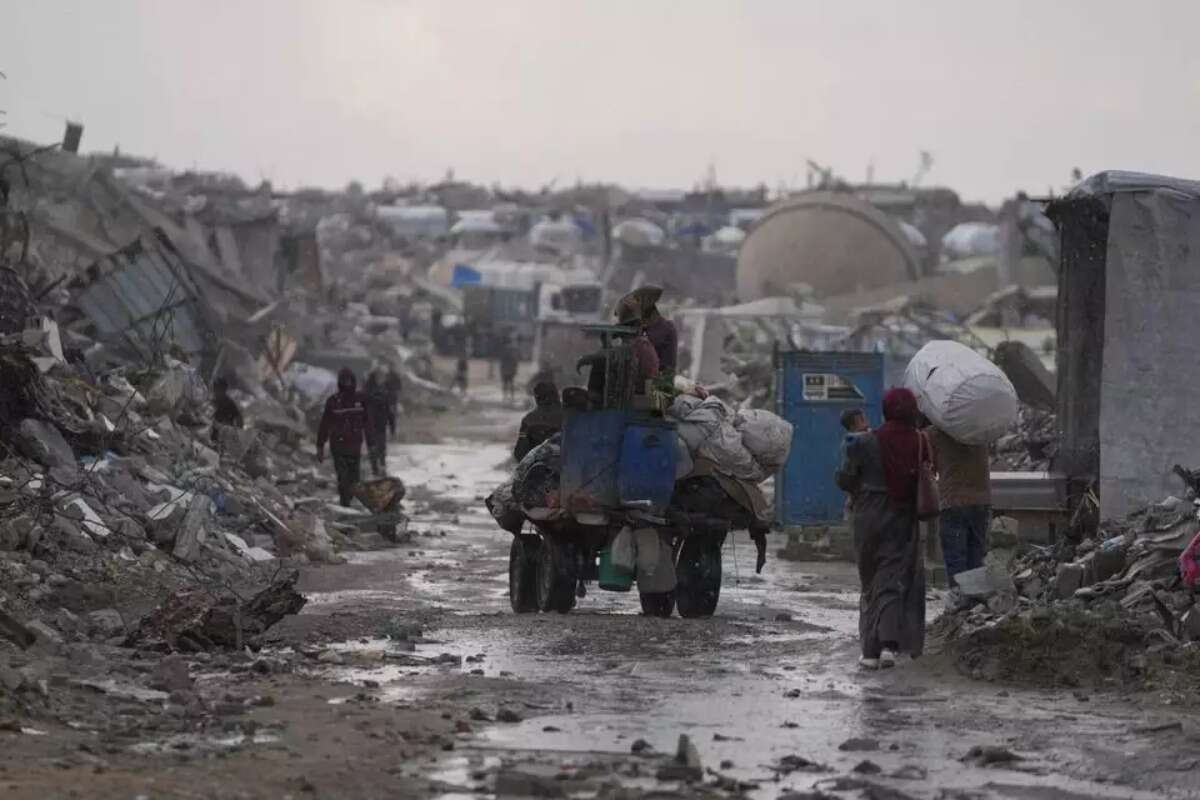
What is required, therefore, is a body with international legitimacy, significant financial resources, civilian administrative capacity and regional political influence. An international council that assumes responsibility for Gaza's reconstruction and civilian governance would not negate Israel's military achievements but would complete them on the diplomatic level. It would allow Israel to remain responsible for security alone and prevent it from becoming the de facto civilian ruler. This would mark a shift from a strategy of force to a strategy of responsibility, not for Gaza, but for Israel's own future.
This is where Qatar and Turkey come into the picture. Israel's opposition to both is understandable. Both maintain ties with Hamas, both have acted for years as mediators, and neither can be described as a friend of Israel. But precisely for these reasons, they are an asset rather than a liability. Those who can speak with Hamas are also those who can pressure it. Those with open channels to the terrorist organization are the ones capable of enforcing commitments. Without such actors, any international council would be a declarative body with no teeth and no real ability to influence realities on the ground.
Qatar is already deeply involved in Gaza. It finances salaries, infrastructure and humanitarian aid, and has done so for years with Israel's consent and in coordination with it. The question is not whether Qatar will be there, but through which channel: via Hamas or through a supervised international mechanism with transparency, oversight and binding commitments. An international council would place Qatari funding within a regulated framework and prevent it from becoming political fuel for Hamas. Instead of encouraging dependence on a terrorist organization, resources would be directed toward building functioning civilian institutions.
Turkey, too, operates today as a regional actor with economic interests, ambitions for influence and a desire to cement its standing in the Middle East. Civilian governance of Gaza would give Ankara an incentive for stability rather than escalation. A state that manages hospitals, infrastructure, ports and water systems has no interest in rockets and tunnels. Civilian administration requires responsibility, and responsibility breeds restraint. An actor with something to lose behaves more cautiously.
The Israeli argument against Qatar and Turkey is based on a moral claim: there can be no foothold for countries associated with Hamas. But foreign policy is not a moral competition; it is the management of interests in an imperfect world. There are no truly neutral players in the Middle East, and no pure solutions in a messy political environment. Israel should not be asking who the perfect actor is, but who is willing to take responsibility. An international council that includes Qatar and Turkey is far from ideal, but it is vastly preferable to civilian occupation, a governance vacuum, Hamas' return and another round of war.