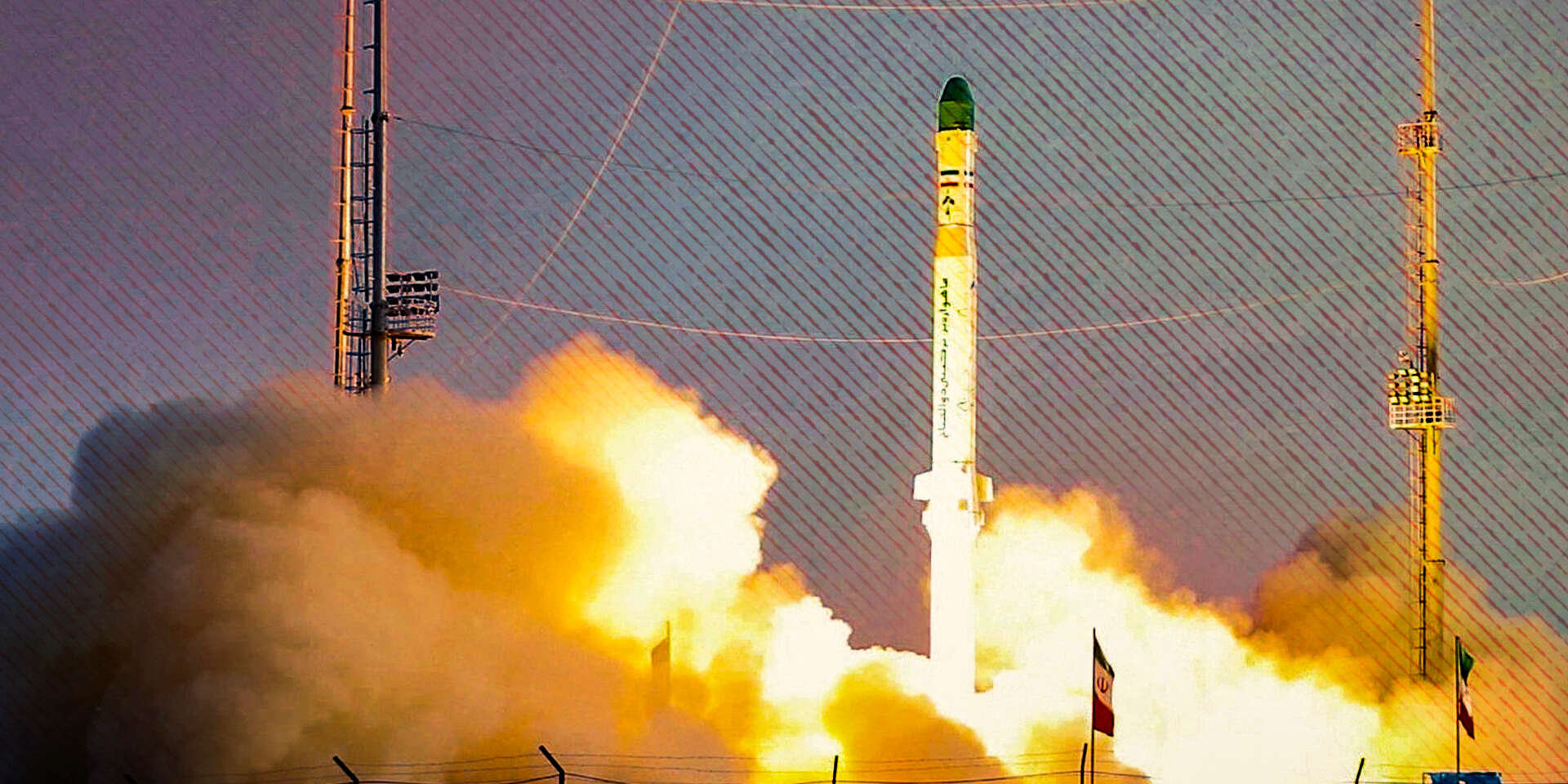
Amid reports of a possible US attack on Iran following the American midterm elections on Tuesday, Israel is preparing for the possibility of massive Iranian missile barrages targeting its territory. The prospect of renewed large-scale fighting with Tehran has once again raised questions about the state of Iran's ballistic missile arsenal and how two rounds of intense warfare, first against Israel and subsequently against Israel and the United States, have affected its stockpiles.
According to information published Monday and attributed to an Israeli security source, Iran currently possesses more than 1,700 ballistic missiles of various ranges capable of reaching Israeli territory. This is in addition to shorter-range missiles that cannot reach Israel but could be used against other targets, including Gulf states. The figure represents a decline of nearly 800 missiles compared with estimates of Iran's arsenal before the war.
The reduction in Iran's missile stockpile reflects a combination of extensive launches against Israel, Gulf states and targets in Jordan and Iraq, as well as the systematic destruction of missiles on the ground by the Israeli and US air forces.
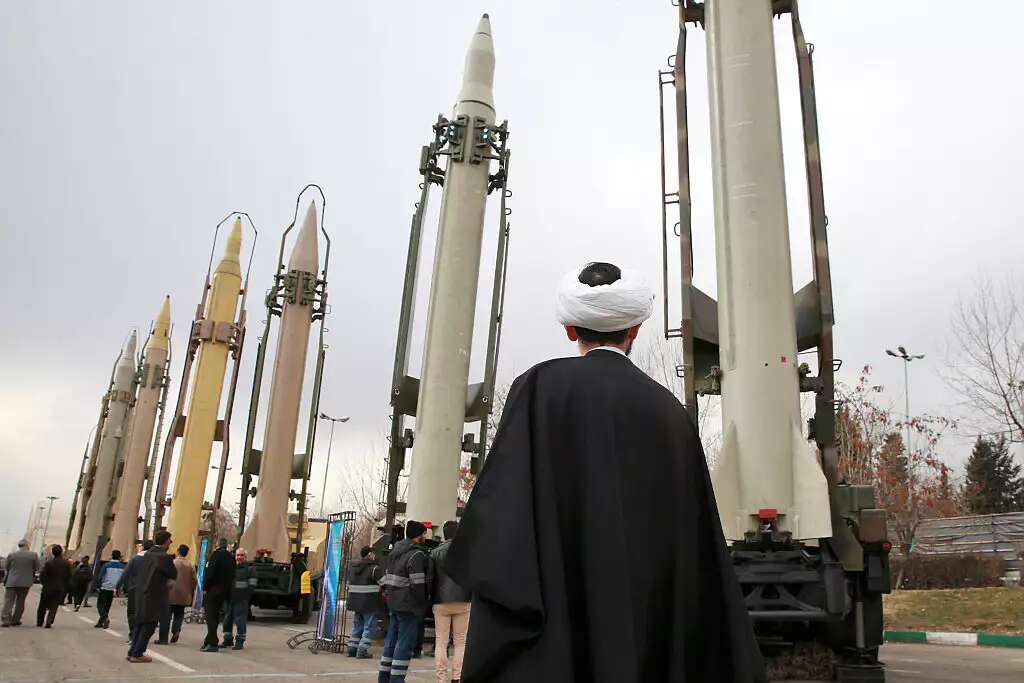
Yet the sharp decline in Iran's arsenal may obscure a particularly troubling development: Tehran appears to have succeeded in rebuilding and fortifying its missile industry. Rather than simply restoring substantial production capacity, Iran may also have improved and reinforced its manufacturing infrastructure to protect it against future attacks.
It is important to emphasize, however, that all figures published by media outlets and research institutes worldwide are estimates and projections. The true numbers are known to very few people outside the Iranian regime's inner circles.
That raises a crucial question: How has Iran, whose missile industry suffered severe damage during Operation Rising Lion and subsequently during Operation Roaring Lion, managed not only to partially restore missile production and assembly but, according to some sources, even increase its manufacturing output?
Experts believe the answer lies in a combination of replacement components concealed in advance and new production facilities established at fortified sites. These measures have enabled Iran to resume missile manufacturing at a rapid pace and potentially expand output, with an emphasis on simpler missile designs that proved effective during the fighting.
Freddy Khoueiry, a global security analyst specializing in the Middle East and North Africa at risk intelligence firm RANE, told Forbes that the fighting had provided Tehran with valuable lessons. "The conflict provides Tehran with important information about which missiles are most effective against Western air defense systems, as we saw recently with the allegedly upgraded Kheibar Shekan, and which launch sites are the most survivable," he said. "Iran is already adapting by moving more production and assembly underground and dispersing parts of its missile infrastructure."

Foreign assistance could also improve the quality and diversity of Tehran's missile arsenal. "Russian assistance with ramjet technology could support more capable supersonic cruise missiles in the coming years, while Russian combat experience with Geran drones could inform Iranian drone development," Khoueiry told Forbes. He also predicted that Iran would continue improving its anti-ship capabilities and precision-guided ballistic missiles.
Alongside efforts to increase missile production, Iran is developing new weapons based on lessons learned from confronting Israeli and US air defense systems.
The Qassem Basir and Nasrallah are two new missile models under development, representing the latest generation of Iranian medium-range ballistic missiles. They are reportedly designed specifically to operate in environments involving intensive electronic warfare and sophisticated air defense networks, including the American Terminal High Altitude Area Defense (THAAD) system and Israel's Arrow missile defense system.
Both models illustrate a strategic shift away from relying primarily on large volumes of unguided weapons to overwhelm enemy defenses, toward precision-guided platforms with autonomous capabilities.
Another major challenge facing Iran as it rebuilds its missile forces is the availability of launchers. According to estimates by the Israel Defense Forces and US intelligence, more than 200 of Iran's 400 ballistic missile launchers were destroyed during Operation Roaring Lion. Although this represents a substantial loss, it would not necessarily prevent Iran from launching large missile barrages from multiple locations across the country in a future conflict.
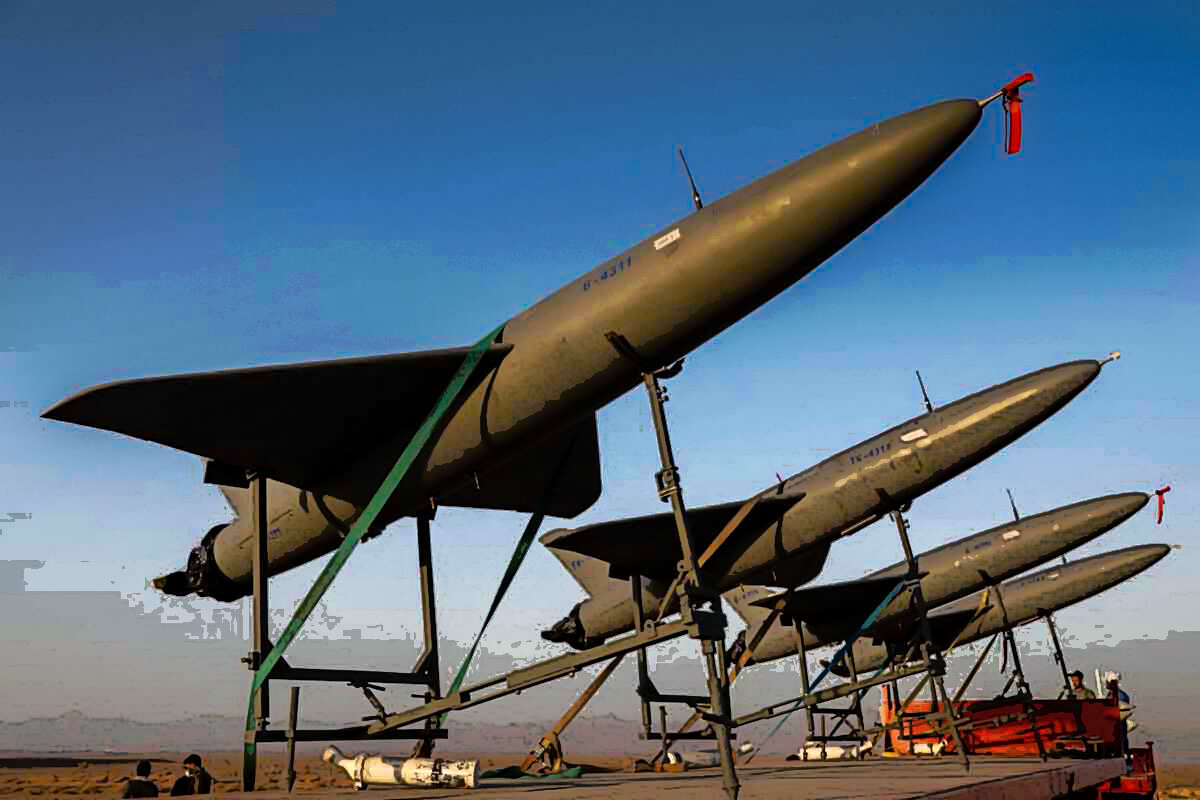
How, then, did Iran manage to protect its vulnerable fleet of launchers? The answer lies in a combination of disguising launchers as civilian vehicles and storing them in underground facilities. Israeli and US airstrikes succeeded in blocking tunnel entrances and temporarily preventing the launchers from being used, but did not necessarily destroy the equipment itself. After the war, Iran reopened the damaged tunnel entrances, allowing the surviving launchers to return to operational service.
Despite Iran's ability to preserve at least some of its military capabilities, and the considerable operational knowledge it gained during its confrontations with Israel and the United States, Tehran's greatest challenge remains a long-term one. American sanctions and restrictions on fuel exports through the Strait of Hormuz have left Iran struggling to sustain an expensive, large-scale military missile program while its economy continues to contract under the weight of severe economic pressure.
Another war would place even greater strain on the industry. It would also likely see Israel and the United States apply lessons of their own from previous encounters with Iran's missile forces. Together, these pressures could further complicate Tehran's position, leaving the Iranian leadership facing increasingly difficult choices.