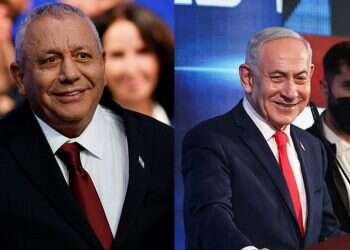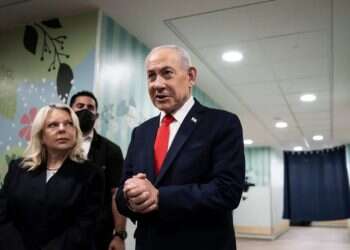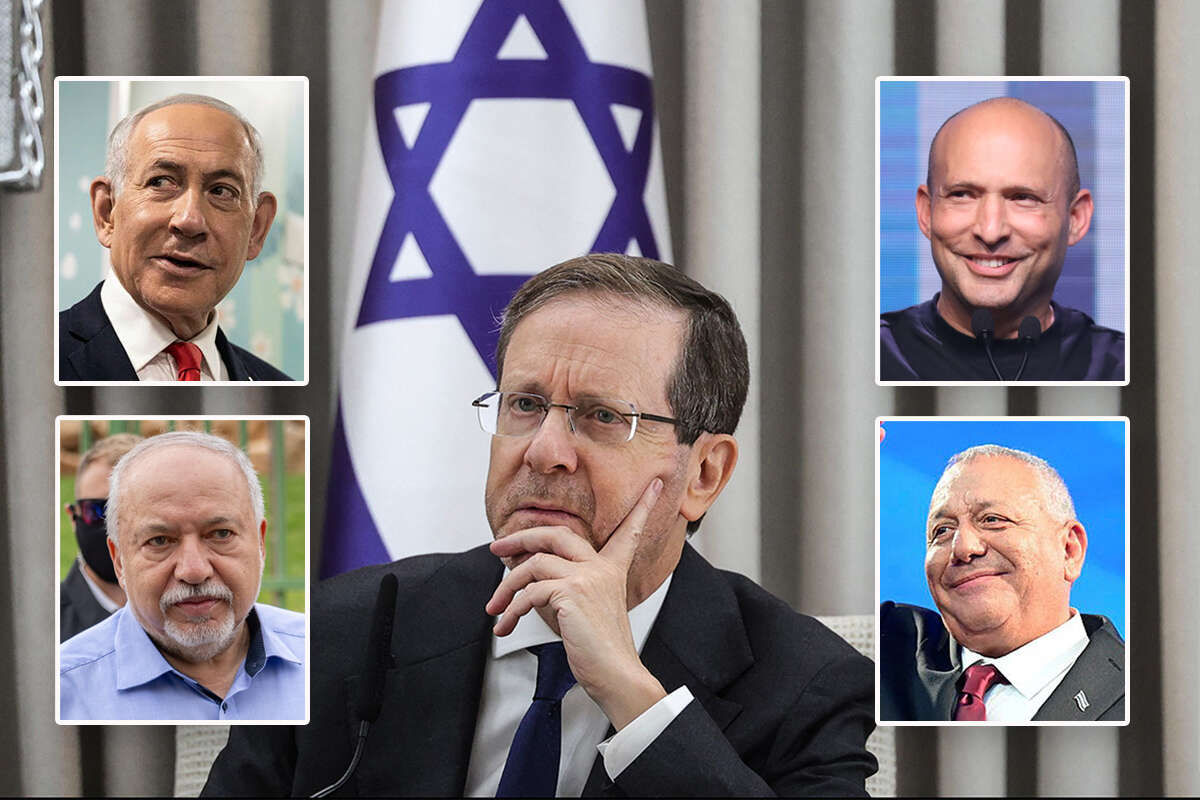
The battle to block the change bloc's plans is underway, even as it seeks to gain a foothold in the Knesset. As of this writing, the change bloc has been unable to arrange a joint meeting of all four party leaders. Instead, they have been holding one-on-one talks, cautiously laying the groundwork for parliamentary moves before tackling the question of forming a government.
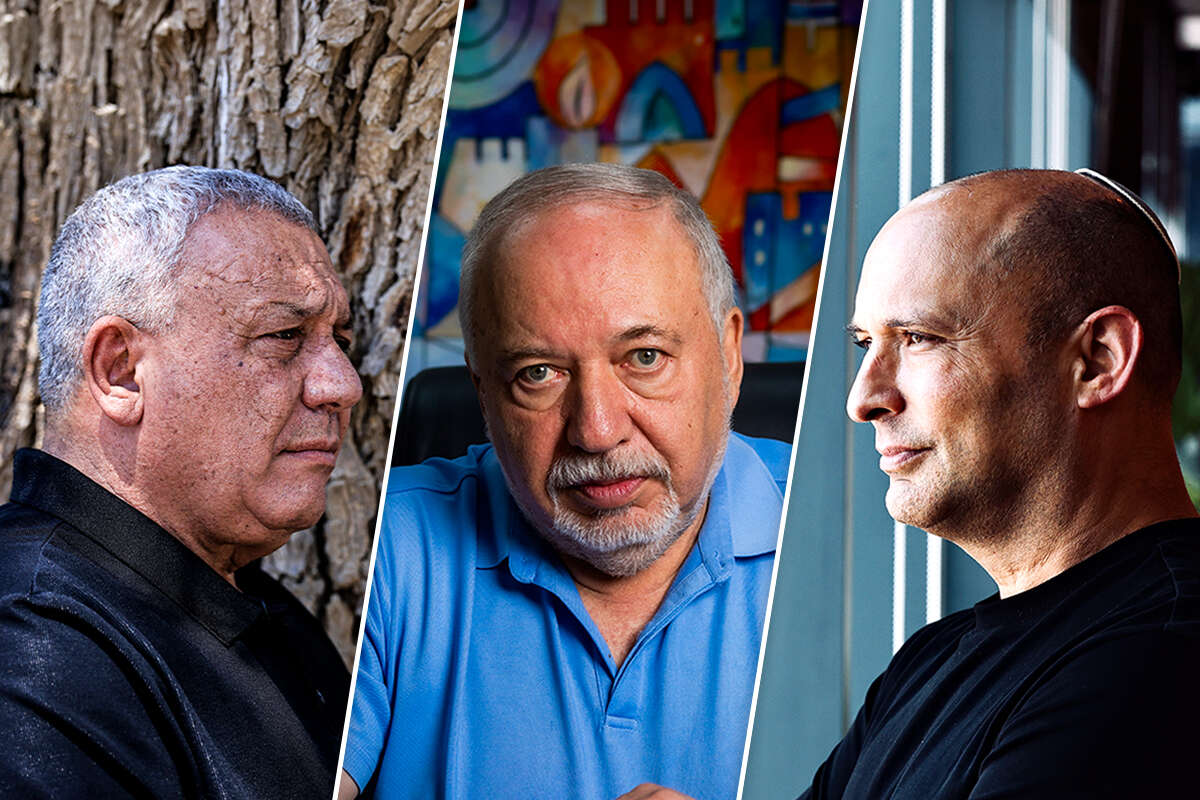
The two biggest unknowns in these calculations are Naftali Bennett and Avigdor Liberman. The latter makes a point of declaring twice a day that he opposes a minority government, yet he was the first to propose coordinated legislation and the replacement of the Knesset speaker, even before the election.
Early this week, the party leaders are expected to put their egos and grand ambitions aside long enough to hold a joint meeting. Their first target is the Knesset, not the government.
On Wednesday, once the official election results published, the procession of party representatives making their recommendations for prime minister will begin at the President's Residence. Officials there are well aware of the complexities ahead and are making extensive preparations to conduct the consultations even amid a challenging security situation, particularly given the possibility of developments involving Iran following the US midterm elections.
First objective: Control of the Knesset
Once the results are published and the presidential consultations are completed, Gadi Eisenkot is expected to receive the mandate to form a government. The 19 Knesset seats held by the Arab parties are already poised to support any parliamentary initiative that would dislodge Prime Minister Benjamin Netanyahu.
Eisenkot's chances of forming a government are slim to nonexistent, but the mandate would put him in a position to take control of the Knesset, alongside control of the Arrangements Committee, the temporary parliamentary body that determines committee assignments and procedures as a new Knesset begins its work.
The next date to mark on the calendar is Tuesday, a week and a half from now, when the new Knesset will be sworn in. Immediately afterward, the bloc will be able to begin putting its plans into action.

The first step will be the election of a new Knesset speaker. The most realistic candidate is Eisenkot himself, who could follow in the footsteps of former Defense Minister Benny Gantz by taking the speaker's chair, ensuring that he controls at least one branch of government.
The proposed legislative packages could encompass virtually anything, from establishing a state commission of inquiry with the support of politicians who cannot bring themselves to call Hamas a terrorist organization, to passing laws designed to push Netanyahu out of political life.
The result would be an extraordinary political arrangement: Netanyahu would remain prime minister, but the Knesset would effectively be controlled by the various factions of the change bloc. They have yet to decide what kind of government they want to establish or who would lead it, but they would already be able to deliver on their central election promise: Anyone but Bibi.
Netanyahu's battle to stop the plan
Netanyahu's right-wing bloc is not yet focused on recommendations to the president. Instead, it is concentrating all its efforts on delegitimizing the prospect of a minority government supported by the Islamist Ra'am party, with the Joint List abstaining, as well as opposing coordinated parliamentary initiatives involving the Arab parties.
The goal is to prevent such a scenario from materializing in the first place rather than fighting it after the fact. Netanyahu's inner circle is devoting its full resources and political expertise to that effort.
Needless to say, there is currently no attempt to form a national unity government. Netanyahu is making no such effort, preferring another election, while the leaders of the change bloc would rather break other campaign promises than abandon the one commitment that unites parties holding a majority of Knesset seats.
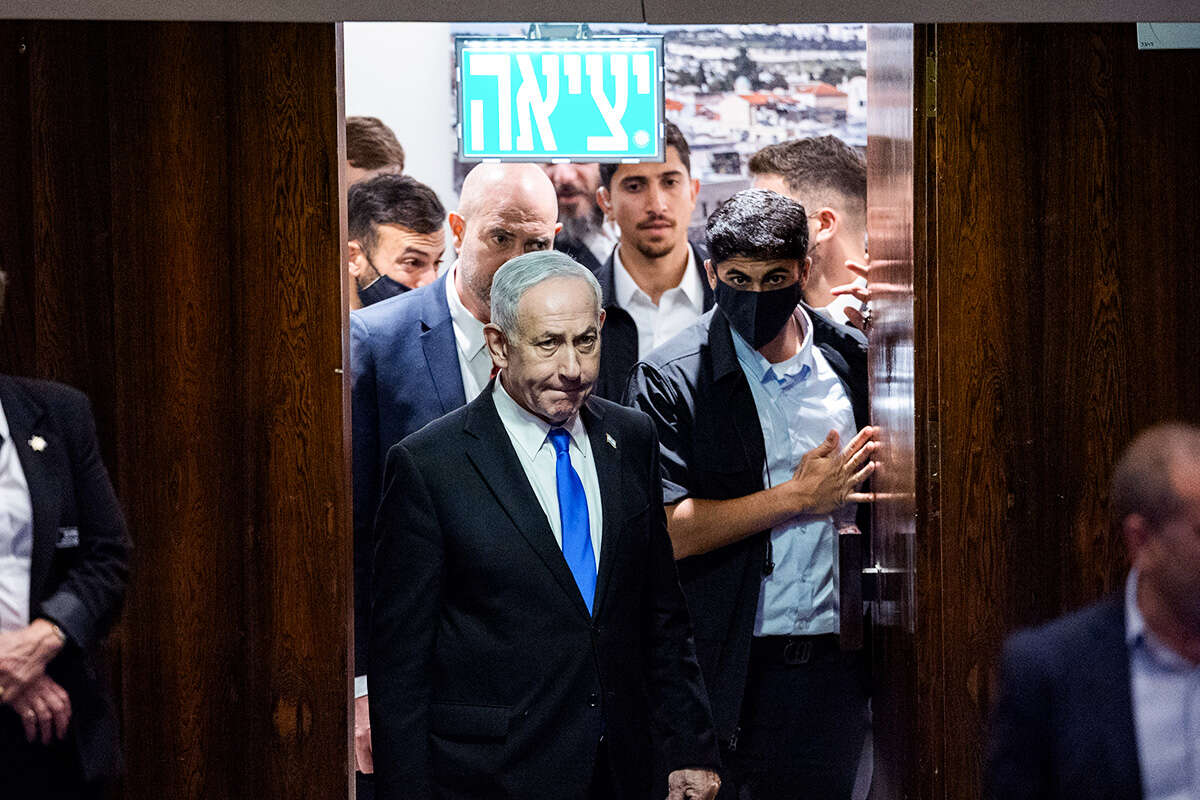
People close to Netanyahu acknowledge that if the change bloc had won just a few more seats, the ultra-Orthodox United Torah Judaism party would not have hesitated to switch sides and give Eisenkot the 61 seats needed for a parliamentary majority. On the other hand, breaking two campaign promises in a single government, by sitting alongside both Ra'am and United Torah Judaism, could set a new precedent even compared with Bennett's government and that infamous signature sheet.
Putting the political spin aside and focusing on the facts, the expected timetable is as follows: On Wednesday, the election results will be published and party representatives will make their recommendations at the President's Residence. The following Tuesday, the Knesset will be sworn in and the mandate to form a government will be granted. From there, the path to a Knesset controlled by the change bloc will be clear.
The one scenario currently threatening to derail the change bloc's plans is not defections, a unity government or perhaps even a successful campaign against cooperation with the Joint List. It is a security escalation, the likelihood of which is expected to rise significantly in the second half of the week.
Could it once again be Israel's enemies who force the country's Jewish political factions to unite?