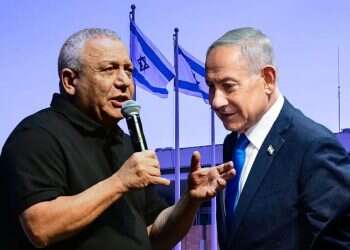
Israelis have good reason to be worried as November begins. Not only because of the war with Iran, which by all indications is likely to resume soon, but above all because the political establishment is failing to serve the national interest.
After the elections, one would have expected Israel's major political forces to be holding talks on forming a government capable of tackling the country's most pressing national challenges. And there is no shortage of them.
There is Iran, which, as noted, is expected to draw Israel and the US back into confrontation in the coming weeks. There are the ongoing conflicts in Lebanon and Gaza, along with security and governance challenges in Judea and Samaria. And the list goes on: Israel's declining international legitimacy and rising antisemitism, the crisis in the education system, personal safety and crime, road accidents, the cost of living, the growing public deficit, the military conscription crisis and more.
All these challenges demand a broader perspective and the widest possible national consensus if they are to be addressed successfully. Unfortunately, that is not happening. Quite the opposite.
Prime Minister Benjamin Netanyahu did not mention the word "unity" in his election-night speech, while those around him are urging him to "run out the clock" and force another election, in which they believe he would fare better.
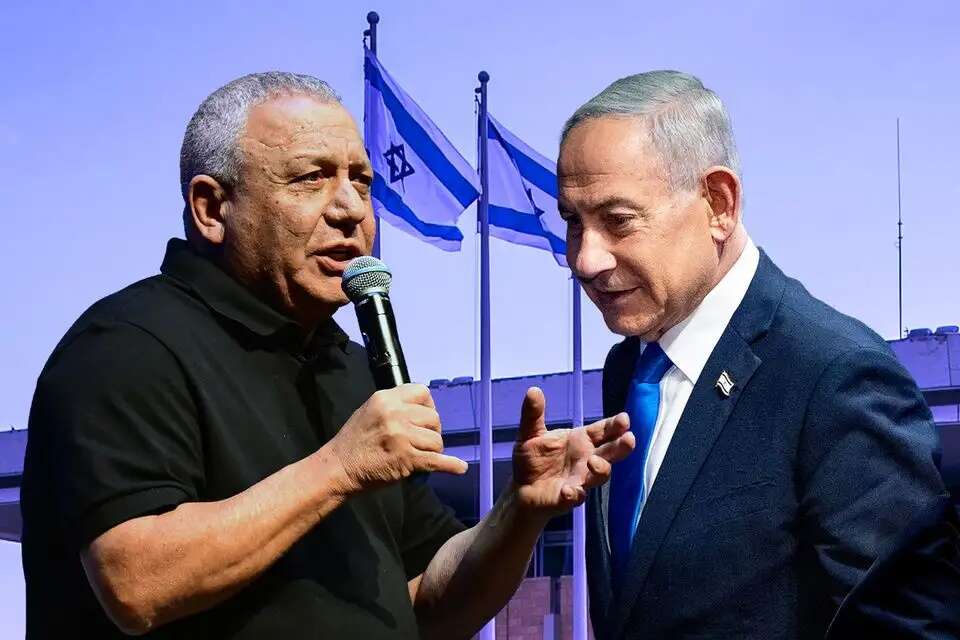
Nor is there any sign of compromise within the anti-Netanyahu bloc that could pave the way for a broad Zionist government enjoying the confidence of most Israelis. Instead, its members are entertaining the idea of advancing legislation in the Knesset, and perhaps even establishing a narrow government, with the support of the Arab parties' 19 seats.
Arab Israelis want take part
The question of Arab voters deserves far more serious consideration than it has received so far.
The alleged ballot-fraud affair, which Netanyahu and his mouthpieces sought to amplify even before the elections, and certainly after the Shin Bet security agency opened an investigation, appears to be far less serious than initially claimed.
All the relevant authorities have already made clear that the integrity of the elections was not compromised, and any attempt to challenge the results is doomed to fail.
It appears that Arab Israelis turned out to vote because they had simply had enough. The immediate catalyst was the severe deterioration in personal safety in the Arab community, but deeper analyses suggest a more fundamental explanation.
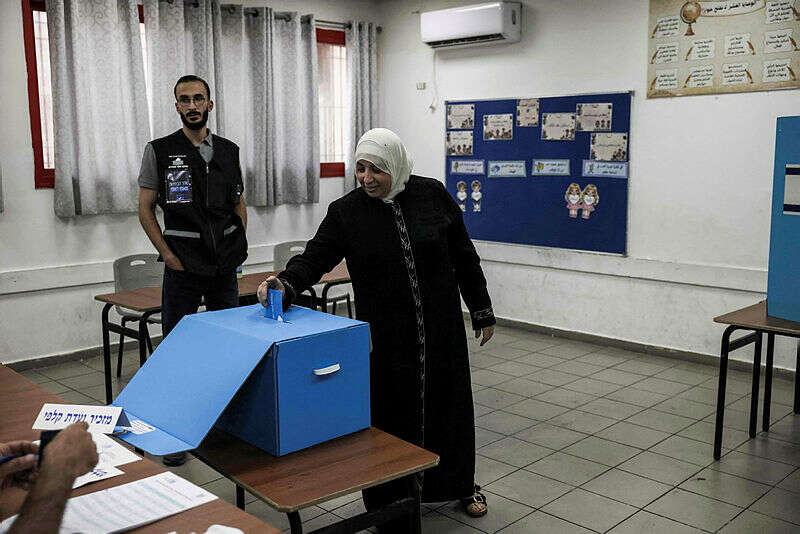
Most Arab Israelis are tired of being treated as second-class citizens. Faced with a choice between separatism and integration, they chose to participate.
That is a significant development, both for Arab Israelis and for the State of Israel. The only regret is that just as they decided to enter the political arena, much of the Jewish Israeli public moved in the opposite direction, becoming increasingly reluctant to cooperate with them.
Arab Israelis could have chosen other democratic means of reminding the country that they are here. Unlike another sector of society, the ultra-Orthodox, they do not block roads morning, noon and night to advance their community's interests. Nor have they resorted to a unilateral strike.
It is not difficult to imagine what would happen in Israel if all Arab employees working in medicine, pharmacies and commerce simply failed to show up for work. As for the national security dimension, Arab Israelis did not launch a wave of violence after the Oct. 7, 2023, Hamas attack, as many in Israel had feared.
It would be reasonable to require them to participate in a national service framework as a condition for future political partnership. Such a partnership is in the interests of Israeli society as a whole and would best be pursued through a cross-party approach aimed at integrating the Arab community while addressing its problems, particularly crime, which are increasingly becoming problems for Jewish Israelis as well.
At present, the chances of that happening appear slim.
As noted, this is not a partisan issue but a national interest. That applies both to cooperation across party lines and to accepting the hand extended by Arab Israelis. Barring an extraordinary development, and judging by the latest reports from Washington, Israel will once again find itself preoccupied with war in the coming days, pushing political matters aside.
There will presumably also be calls to postpone the swearing-in of the new Knesset and coalition negotiations in the name of the war. There is no need for that. Over the past three years, Netanyahu and his ministers have repeatedly argued that a country's strength is measured by its ability to maintain a functioning routine, even under wartime emergency conditions. The same principle should apply now.
Eager to return to war
As for the war itself, most experts and commentators believe it will begin immediately after the US midterm elections on Tuesday. Qatar is still attempting to mediate between the sides in an effort to prevent or delay an escalation, but there is no guarantee it will succeed.
All the players seem eager to return to exchanging missiles, although it is unclear whether they can now achieve what they failed to accomplish in the previous round, which ended about six months ago.
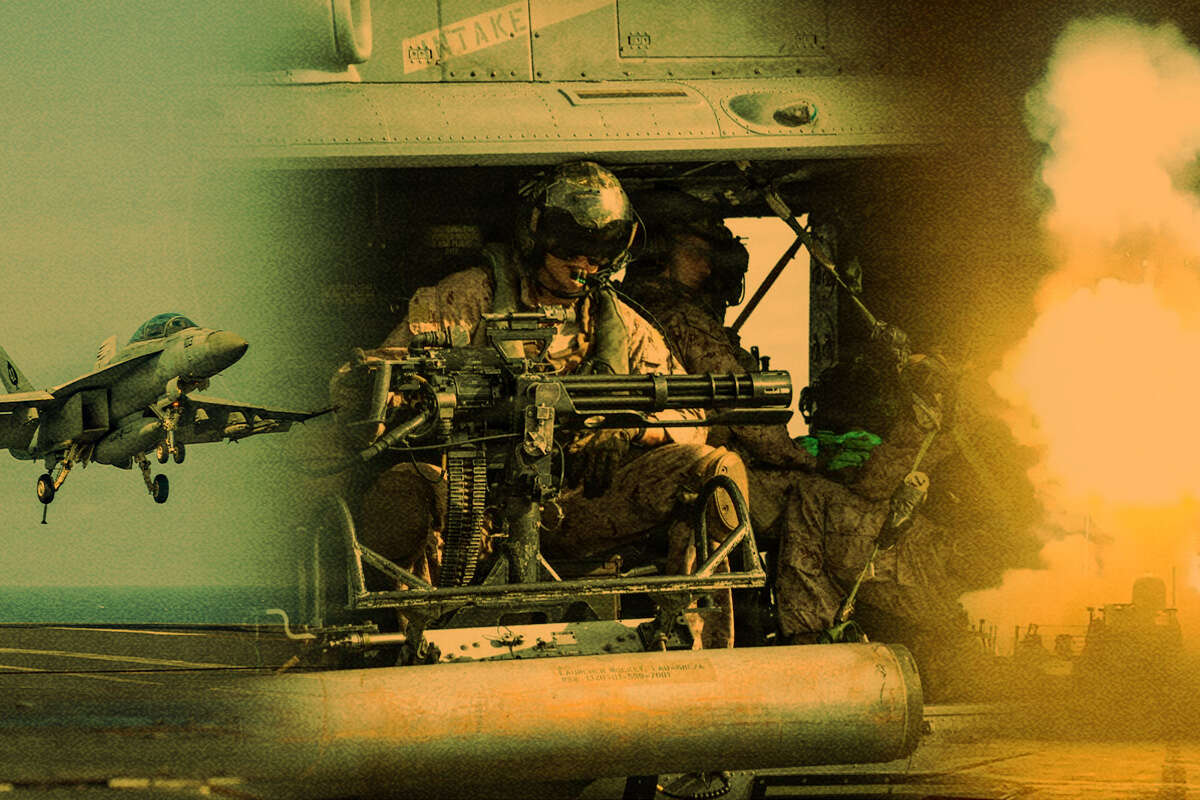
It would therefore be wise to view developments in the coming days with skepticism, particularly the statements made by political leaders. Those who insisted that Iran's nuclear program had been destroyed and the threat eliminated for generations will now seek to convince the public that another war against it is essential.
Israel's professional security establishment, particularly the Israel Defense Forces, must remain vigilant and ensure that any renewed war is focused on achieving realistic objectives, rather than being exploited for political purposes that run counter to the will expressed by voters just last week.