Mohsen Rezaei, head of Iran's Supreme National Security Council, said Saturday that he had not yet responded to a letter from US Vice President JD Vance but had noticed a significant change in Washington's tone.
"I have read the letter, but I have not yet replied," Rezaei said. "Their tone has changed completely, and that is a good sign because it demonstrates the victory of the Iranian people."
Rezaei also addressed the possibility that Iran could revise its nuclear doctrine following the war. He said no decision had been made but acknowledged that discussions were underway over whether Tehran should maintain its existing policy in the event of another conflict.
"No new decision has been made regarding a change in nuclear doctrine," he said.
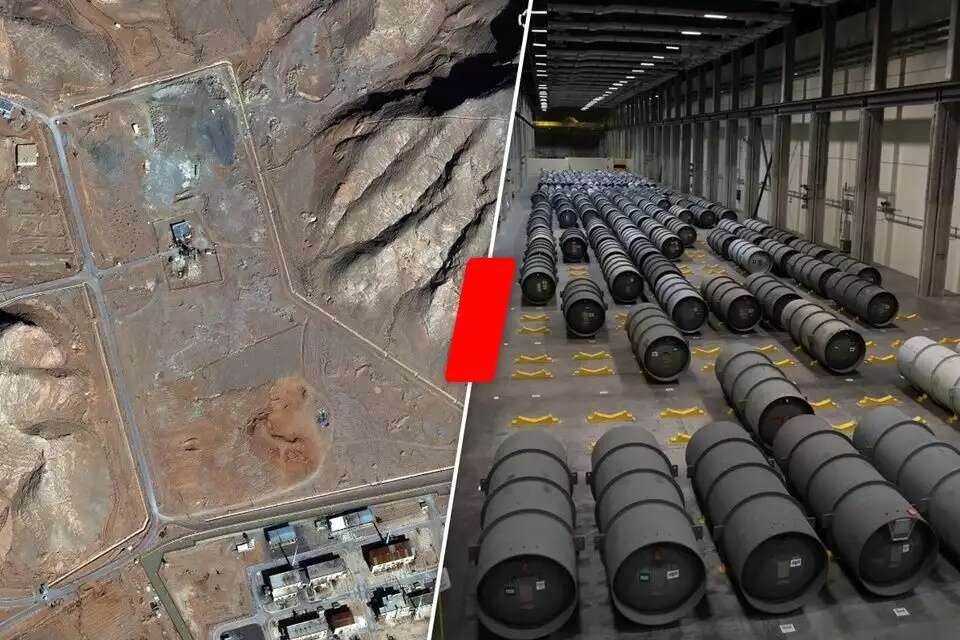
Rezaei explained that the debate centered on whether Iran would want to adhere to its previous doctrine if another war broke out. He stressed that no formal decision had been taken by the government.
Addressing public sentiment in Iran, Rezaei said Iranians had their own demands and reasoning. He said the public viewed the Israeli and US strikes on Iran's nuclear facilities in the context of Tehran's cooperation with the International Atomic Energy Agency, including its compliance with inspection requests, permission for inspections and installation of surveillance cameras at its facilities.
Trump favors diplomacy but does not rule out military action
Meanwhile, US Secretary of State Marco Rubio said Saturday that President Donald Trump had not yet decided whether to order further strikes against Iran, although he preferred a diplomatic resolution to the confrontation.
Rubio, who was hosting G20 foreign ministers in Atlanta, discussed the ongoing contacts with Tehran and said he did not know whether a timetable had been established for talks mediated by Qatar.
He said both direct and indirect communications with Iran were continuing.
"There are multiple talks. Talks have actually never stopped," Rubio said.
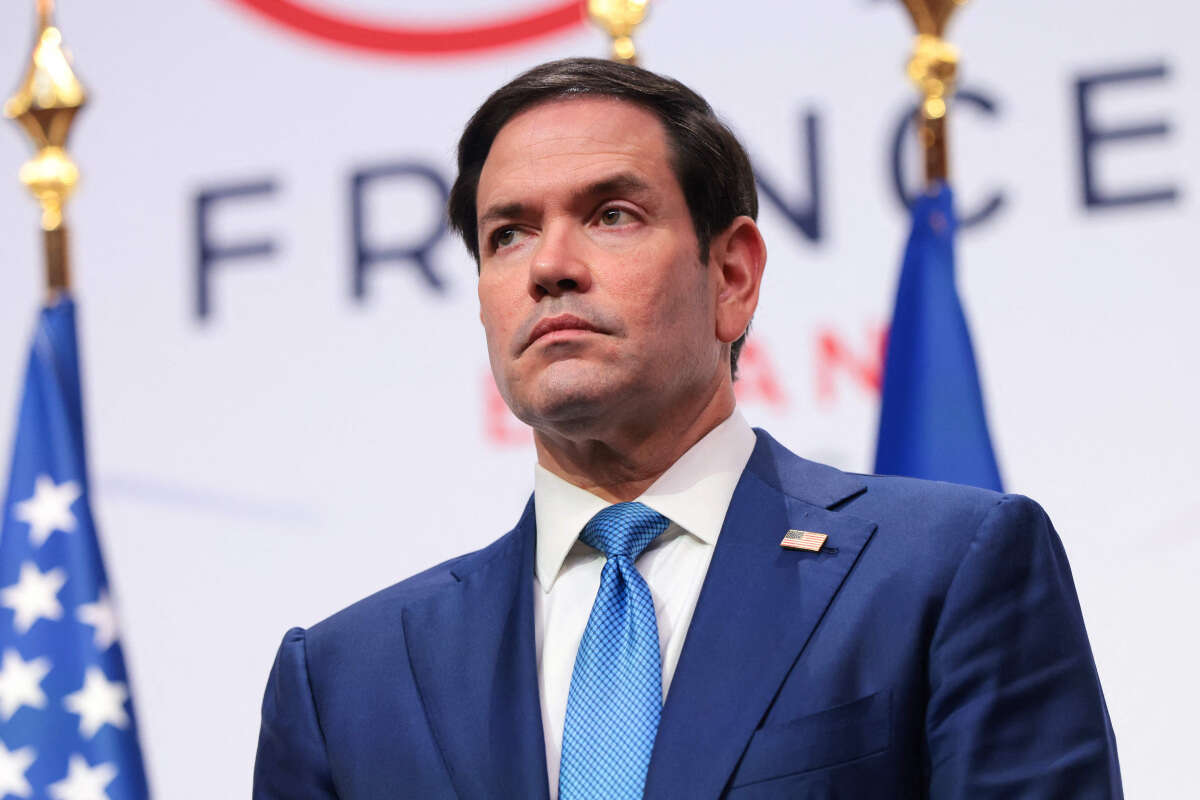
The secretary of state added that Trump would "prefer to solve it diplomatically," while emphasizing the president's confidence in US military capabilities.
"But I think what the president expresses to you is incredible confidence that if we needed to do something militarily, we would have the ability to do it," Rubio said.
Qatar talks continue as Khamenei orders forces to prepare for retaliation
According to Reuters, talks held Saturday in Doha, Qatar's capital, followed more than 12 hours of discussions Friday between Iranian and Qatari representatives in Tehran.
A source familiar with the negotiations said the contacts were being coordinated through continuous communication with Washington.
Countries across the region are preparing for the possibility that Trump could resume military strikes after the US elections, in which Republicans are seeking to retain control of Congress. Iran, for its part, has repeatedly warned that any further attack would trigger strikes against US and Israeli targets in neighboring countries.
Amid concerns over a renewed escalation, Iran's supreme leader, Mojtaba Khamenei, issued a statement Saturday ordering the armed forces to remain prepared to respond to any attack.
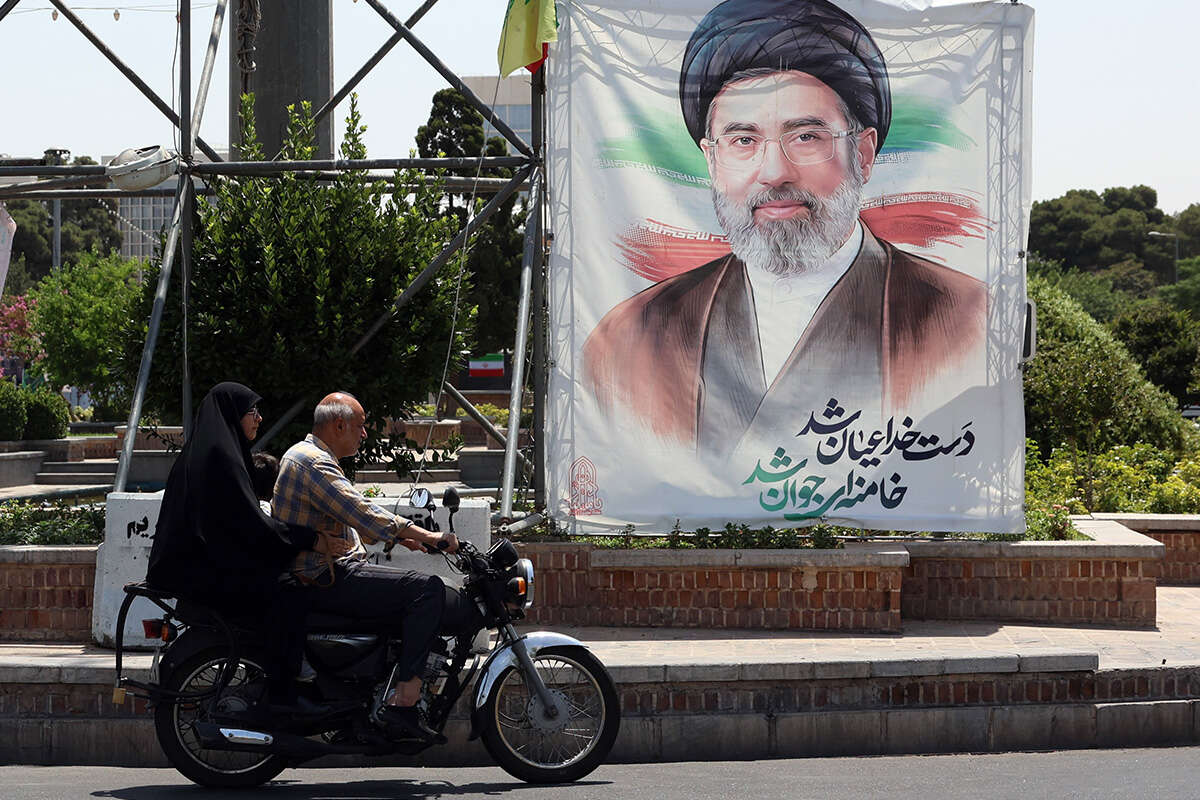
"Any level or type of threat must be met with an immediate, significant response, without geographical limitations," read the statement published on his official Telegram account.
Khamenei, who has not appeared publicly since succeeding his father following the latter's assassination at the beginning of the war, said military commanders had reported a high level of readiness along the Persian Gulf coast, in the Strait of Hormuz and the Gulf of Oman, as well as along Iran's northwestern and southeastern borders.