Israel's Central Elections Committee released the results of the 2026 elections on Thursday after announcing that the counting of double-envelope ballots had been completed. The count began at 1 a.m. Thursday in the Knesset parking garage in Jerusalem.
According to the results, Likud leads with 27 seats, followed by Yashar with 21 and Beyachad with 12. The Joint List wins 11 seats, while the Democrats and Ra'am each secure eight. Yisrael Beytenu, Otzma Yehudit and United Torah Judaism each receive seven seats, while Shas, Religious Zionism and Zehut each win six. Below the 3.25% electoral threshold are the Reservists and Economic Party alliance, with 2.72% of the vote, and Amcha Yisrael, with 1.68%.
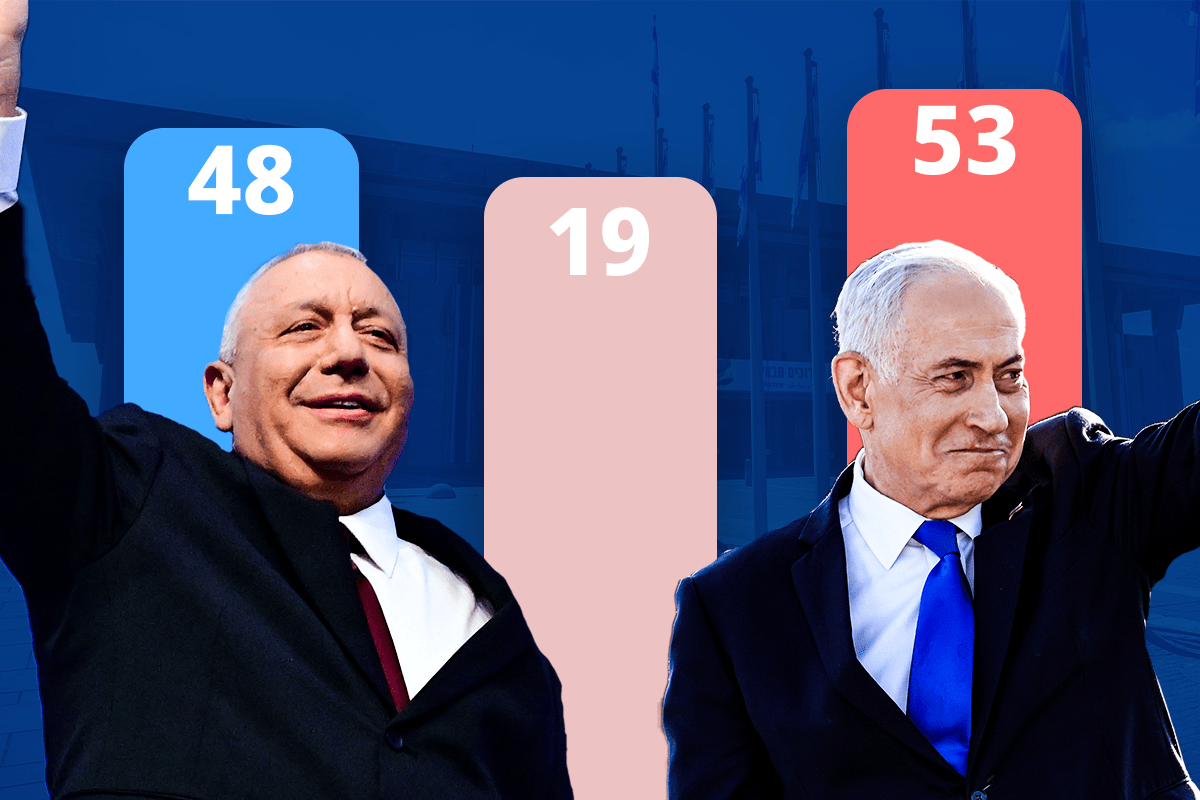
In terms of political blocs, the current coalition holds 53 seats, the change bloc has 48, the Joint List holds 11 and Ra'am has eight.
The committee announced that results from 12,644 polling stations had been entered into its system, representing 5,589,836 votes. Of those, 5,564,764 were valid and 25,072 were invalid. Of the polling stations processed so far, 673 represent batches allocated for counting in the special double-envelope ballot operation.
The Central Elections Committee stressed that the published results were not yet final. An additional election integrity review will be conducted before the official results are released on Wednesday.
Seat distribution remains unchanged
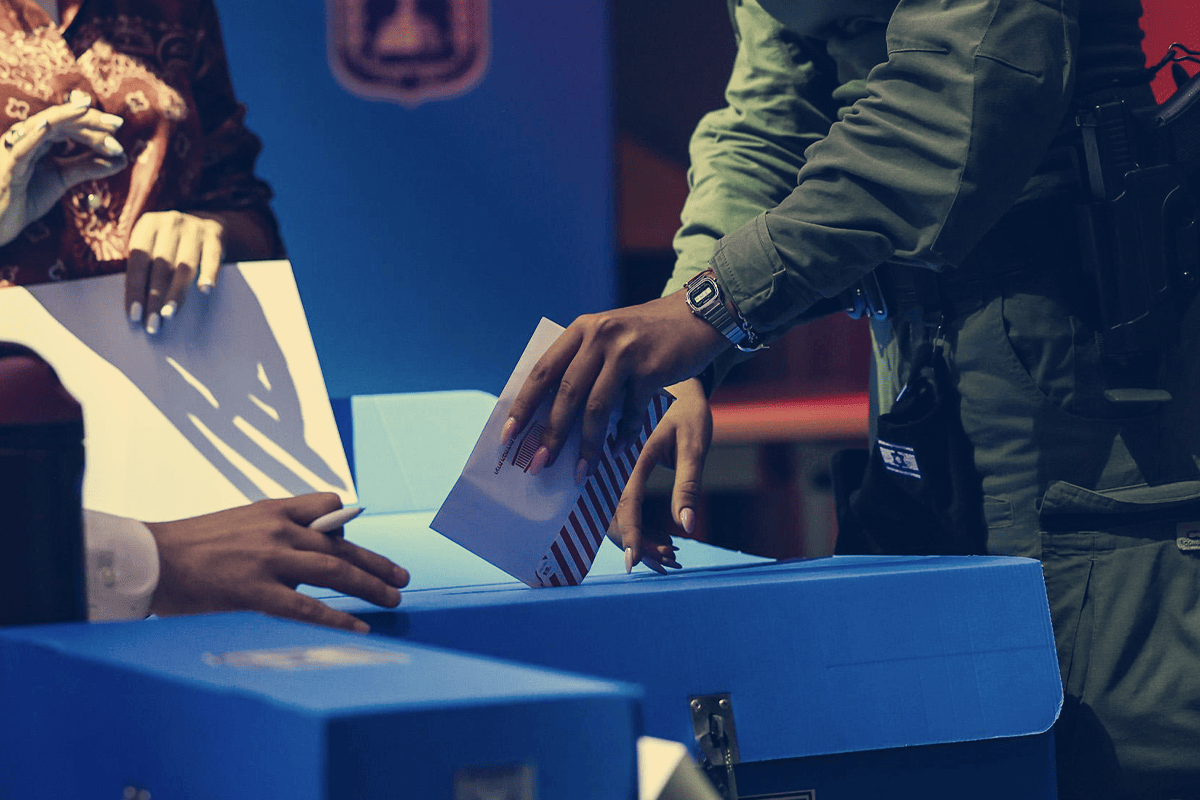
After the Central Elections Committee announced at 1 a.m. local time Thursday that the distribution of Knesset seats remained unchanged with 90.2% of the votes counted, officials at the Knesset began counting the double-envelope ballots. The process followed the completion of ballot intake, scanning and checks designed to protect voter anonymity.
Double-envelope voting is used by soldiers, hospitalized patients, Israeli diplomatic representatives abroad and others who cannot vote at their designated polling stations. To prevent anyone from voting twice, officials first examine the outer envelopes, which contain voters' identifying information. The inner envelopes are then separated and mixed together to preserve ballot secrecy. Only after that are the ballots opened and counted.