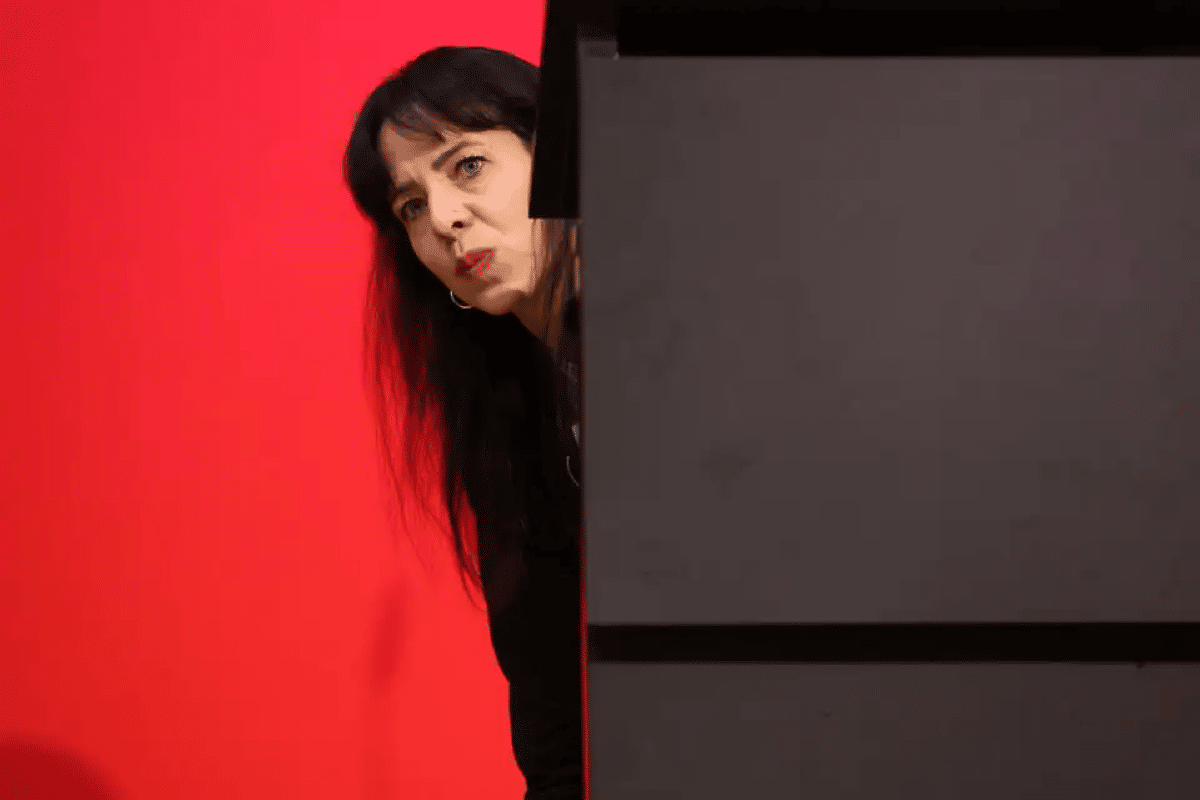
Far-left candidate for mayor of Berlin, Elif Eralp, requested that a question from an interview about a pro-Palestinian activist be removed because she and her husband fear people who have connections to Hamas. The comments that she and her staff added to the draft were sent to the German newspaper Der Spiegel by mistake, along with the approved text. "I cannot risk myself and my family for Der Spiegel," her quotes revealed Thursday in a report published by the magazine.
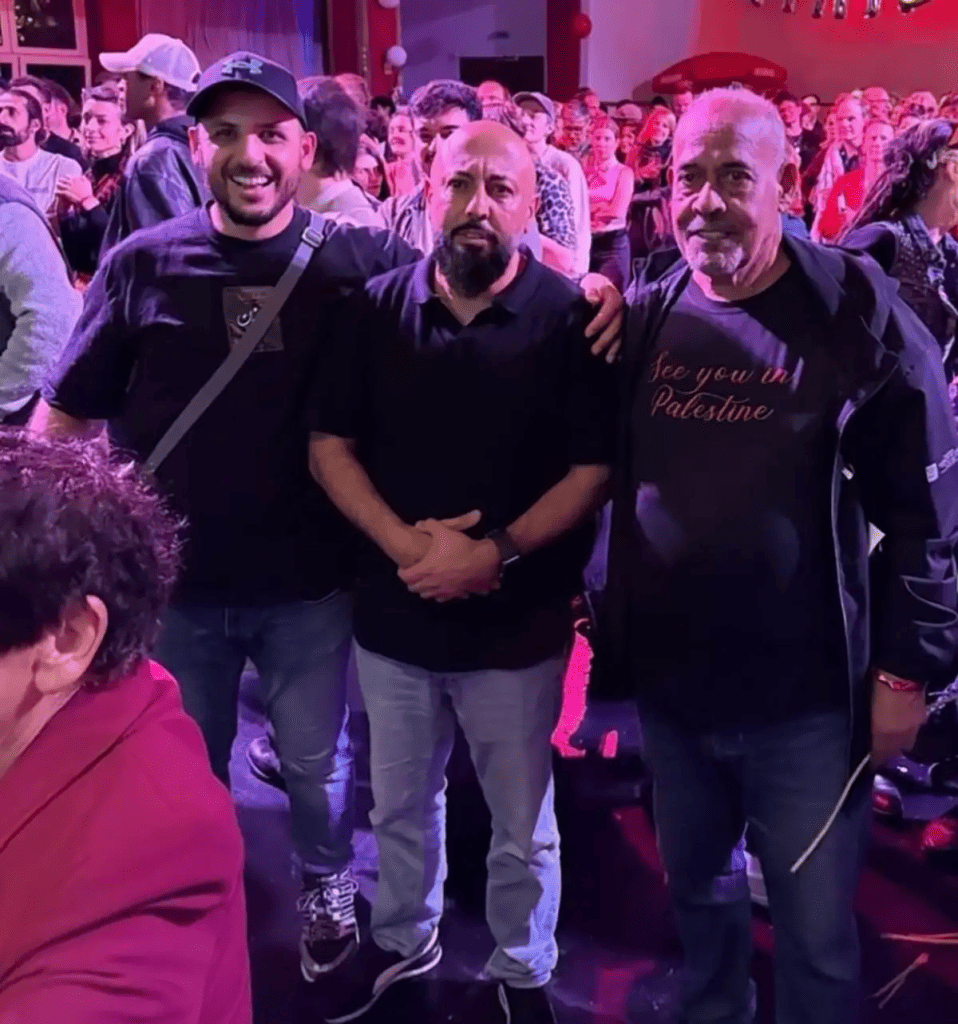
Since Die Linke (the German Left Party) won the elections in Berlin in September with 25.7% of the vote, the party has faced a storm surrounding its attitude toward Israel and antisemitism within its ranks. On election night, the head of a well-known crime family in the city and Ibrahim Ibrahim, a pro-Palestinian activist who called Yahya Sinwar a "martyr hero," arrived at the party's victory celebration in the Neukölln district, where Ibrahim even posed for photos with party members.
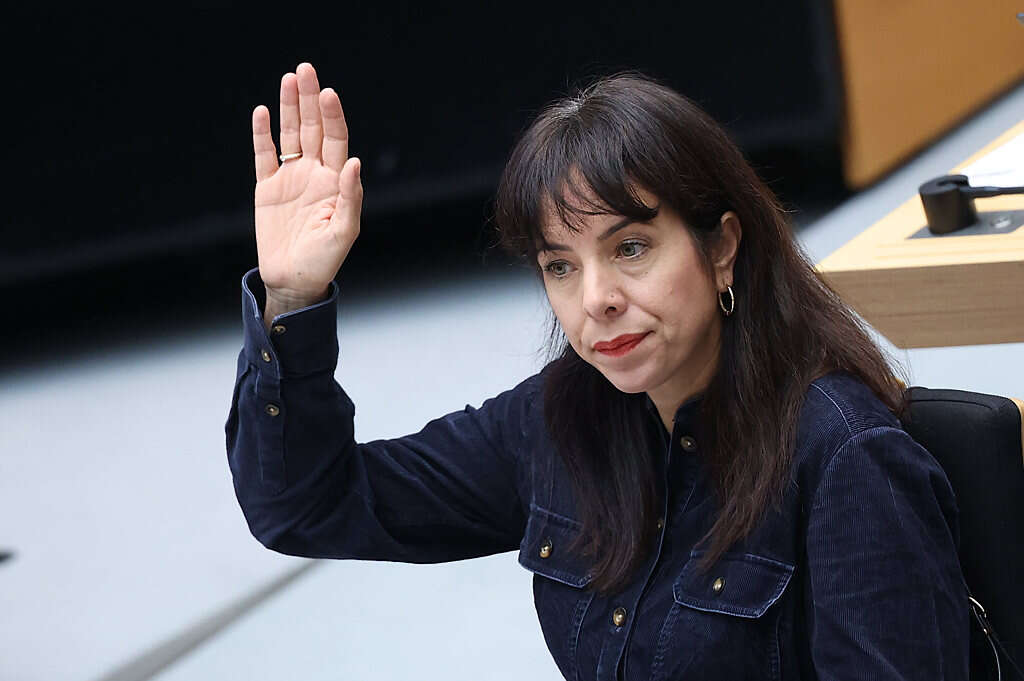
The Greens and the Social Democrats (SPD) conditioned the opening of coalition talks on an agreement against antisemitism and organized crime, and even suspended negotiations briefly after Die Linke added a lawmaker who denies Israel's right to exist to its faction. Eralp distanced herself from some of her party members and declared that she recognizes Israel's right to exist, but presented the incidents as exceptional cases. This coming Saturday, Die Linke will vote on opening coalition negotiations, which could lead to Eralp's election as mayor.
Chancellor Friedrich Merz also intervened in the negotiations, calling on the Greens and Social Democrats to immediately stop talks with "this radical left party." According to him, antisemitism is widespread in Die Linke, and cooperation with the party in Berlin would also burden the national coalition he heads, in which the Social Democrats are partners. Merz suggested that the two parties instead form a government with his party, the Christian Democratic Union (CDU), which together with them holds a majority in the Berlin parliament. Eralp responded, "What is unacceptable to me is that Chancellor Merz is interfering here in the talks on forming the government in Berlin."
On Monday, two Der Spiegel journalists interviewed Eralp in her office at the Berlin parliament. When she said she did not think there would be irregularities at party events during the campaign, they asked if she meant Ibrahim, and according to the magazine, she answered affirmatively. As is customary in Germany, the magazine sent the interview to her office as a Word document so she could review and edit her answers.
However, in the file returned Wednesday, all the comments and deletions that she and her staff added remained visible within the text and in the margins. It thus emerged that the question about Ibrahim and her answer were deleted, alongside a note written by Eralp stating, "There is a problem." According to her, her husband does not want her to mention names, "and neither do I. He is afraid of these people, and so am I."
In an additional note, Eralp mentioned that her spokesperson clarified to her that it is impossible to delete journalists' questions. "What do I do now? I should not have agreed to this interview at all," she wrote. According to the magazine, police had previously advised her not to name names when speaking publicly about organized crime, and she added, "Now we are talking about people with links to Hamas... what do we do now? Cancel the entire interview?"
Eralp's spokesperson told the magazine Wednesday that she has been facing insults, threats, and harassment daily for months. "In light of the threats, security officials advise against linking political issues to specific individuals in public statements, especially when the media has reported on their alleged connections to organized crime or terror organizations," the spokesperson wrote.
Editors at the magazine acknowledged that concern for her safety weighed against publication, but determined that the political significance of the comment outweighed it. According to them, as mayor, Eralp would appoint the official in charge of the police and determine, at least indirectly, security policy in Berlin, making it "intolerable" if she were to make decisions out of fear of individuals or groups.
Ibrahim is considered one of the most prominent activists in the radical pro-Palestinian camp in Berlin, and a leading figure in the "United Palestinian National Committee" (VPNK). Berlin's domestic intelligence service defined the organization as extreme, noting it serves as an umbrella organization for supporters of the Popular Front for the Liberation of Palestine and supporters of Hamas.
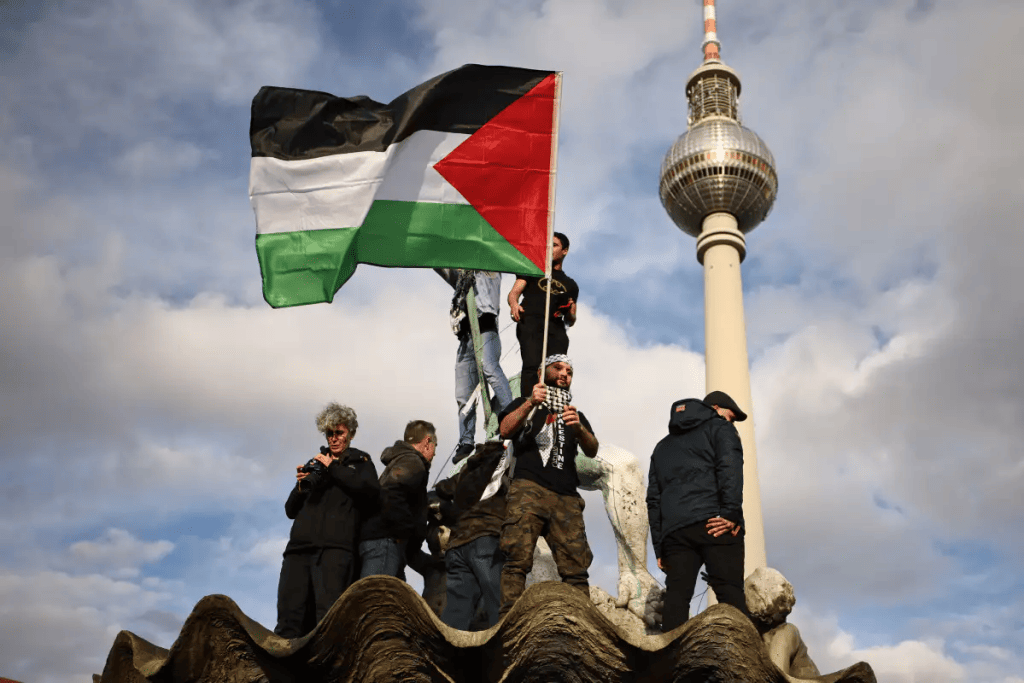
According to the magazine, factions within Die Linke maintain overt ties with Ibrahim, 70, who was previously active in the Popular Front organization. Bundestag member Fırat Koçak, who was photographed with him at the campaign finale party in Neukölln, claimed the meeting was coincidental, even though both had spoken at the same pro-Palestinian demonstration as early as June 2025.
The party's Palestine Solidarity group in Berlin and its Neukölln branch are members, along with the VPNK, of an alliance of organizations demanding an arms embargo and an academic boycott against Israel. Following the uproar over the party, the group declared in a video its "full solidarity" with "our comrade Ibrahim Ibrahim." Ibrahim, for his part, congratulated the party on its victory, saying, "I am proud that last year we made a clear decision to support Die Linke."
Prof. Hendrik Hansen, an expert on political extremism at the Federal University of Administrative Sciences, told the magazine that Die Linke's Palestine Solidarity group in Berlin "concentrates everything that is problematic in the party: antisemitism, hatred toward police, and an extreme version of post-colonialism." According to him, the domestic intelligence service should handle the group. "Die Linke is a party in which elements are dangerous. In several of its groups and currents, there are extremists, and it collaborates with extremists," he said.
Shortly after the elections, when Merz reiterated that he would block the plan to nationalize large real estate companies' apartments through federal law, Eralp posted a picture of herself with folded hands on Instagram and wrote, "Berlin is not intimidated." At Der Spiegel, journalists concluded the article with the sentence: "If only that were true."