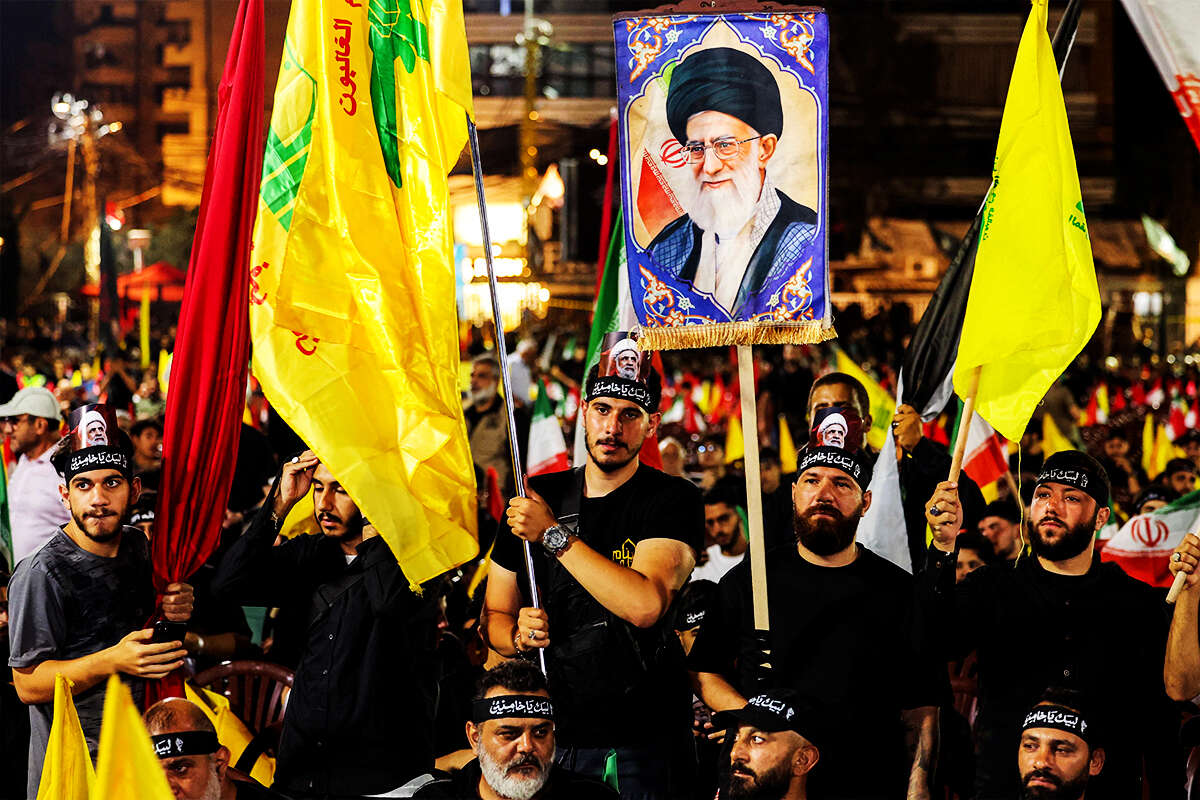
Hezbollah has spent the past three months preparing for the possibility of renewed fighting with Israel, following an influx of funding from Iran, Reuters reported Monday, citing Lebanese security officials briefed on the group's activities. According to the report, Hezbollah is focusing on acquiring explosives and manufacturing drones designed to strike Israeli positions.
Hezbollah suffered devastating losses in two wars against the Israel Defense Forces since 2024. Thousands of its fighters and many of its leaders were killed, while much of its arsenal was destroyed. Israeli forces also continue to hold positions in villages in southern Lebanon, a traditional stronghold of the Shiite terrorist organization, as political pressure mounts in Beirut to disarm the group.
Despite these setbacks, Hezbollah maintains that it remains committed to fighting Israel and has taken advantage of the decline in hostilities since June to rearm. Two Lebanese security sources told Reuters that the terrorist organization has been seeking to acquire explosives and manufacture drones capable of attacking Israeli positions.
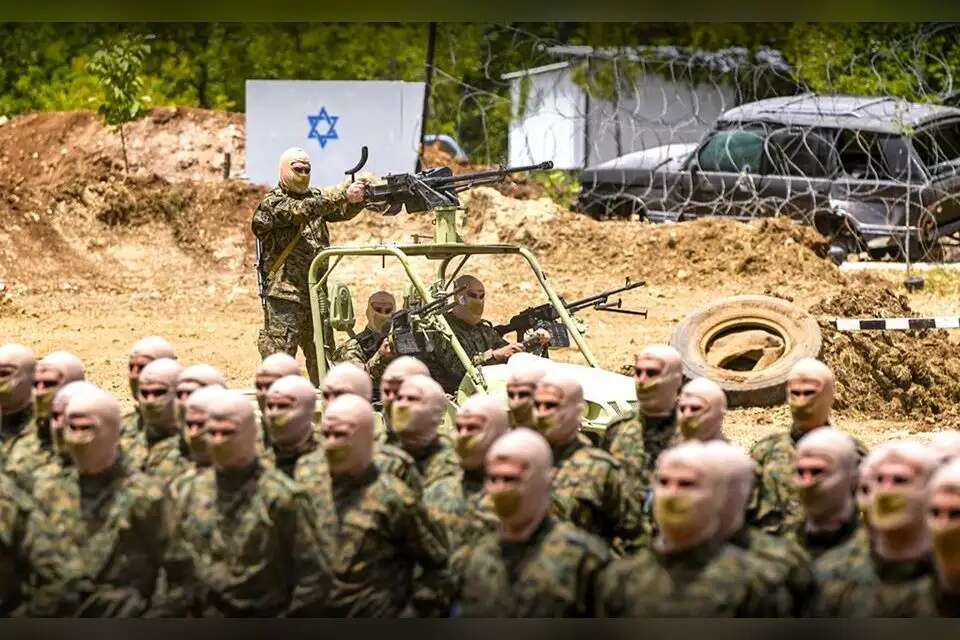
One of those sources and another source close to Hezbollah said the group had received tens of millions of dollars from Iran to strengthen its military capabilities. That funding came on top of approximately $200 million transferred from Tehran to assist displaced families in predominantly Shiite areas.
According to one source and three additional security officials familiar with Hezbollah's operations, the terrorist organization is also working to rebuild its command-and-control structures, which were damaged during major battles.
Hezbollah's media office told Reuters that as long as Israel continued to hold Lebanese territory, resistance against it remained a legitimate right. The terrorist organization rejected claims that its command-and-control structures had collapsed.
A US State Department spokesperson said Washington would continue working to restrict Hezbollah's sources of funding through sanctions and other measures. A US Treasury Department spokesperson said Iran was increasingly losing both financial resources and the means to transfer money.
Hezbollah continues to rearm
Hezbollah's preparations come amid persistent tensions across the Middle East following the joint US-Israeli attack on Iran in February.
On March 2, Hezbollah opened fire in support of Iran, prompting an Israeli military offensive. According to the report, the fighting killed more than 4,000 people and displaced roughly one-quarter of Lebanon's population, most of them members of the Shiite community associated with Hezbollah.
The clashes largely subsided over the summer after an interim agreement between Iran and the US also included a ceasefire in Lebanon. Washington subsequently mediated talks between Lebanon and Israel. Although the US-Iran agreement later collapsed, full-scale fighting did not resume in Lebanon, even as the IDF continued carrying out targeted strikes in the country's south.
Hezbollah is also preparing for the possibility of an escalation between the US and Iran that could reignite fighting on the Lebanese front. However, sources who spoke to Reuters said the terrorist organization had not yet completed the replenishment of its weapons stockpiles or the training of its fighting forces.
The terrorist organization continues its efforts to rearm. Earlier this month, Hezbollah acknowledged that explosives seized by Lebanese authorities belonged to the group and were intended for use against Israel. A Hezbollah official and a Lebanese security source told Reuters that the explosives were specifically intended for suicide drones.
Hezbollah struggles to counter IDF tactics
Alongside its rearmament efforts, Hezbollah faces the challenge of restoring its command-and-control capabilities following heavy losses on key battlefronts, including the town of Bint Jbeil and the strategically important Ali al-Taher ridge, according to a Lebanese security source and three other security officials.
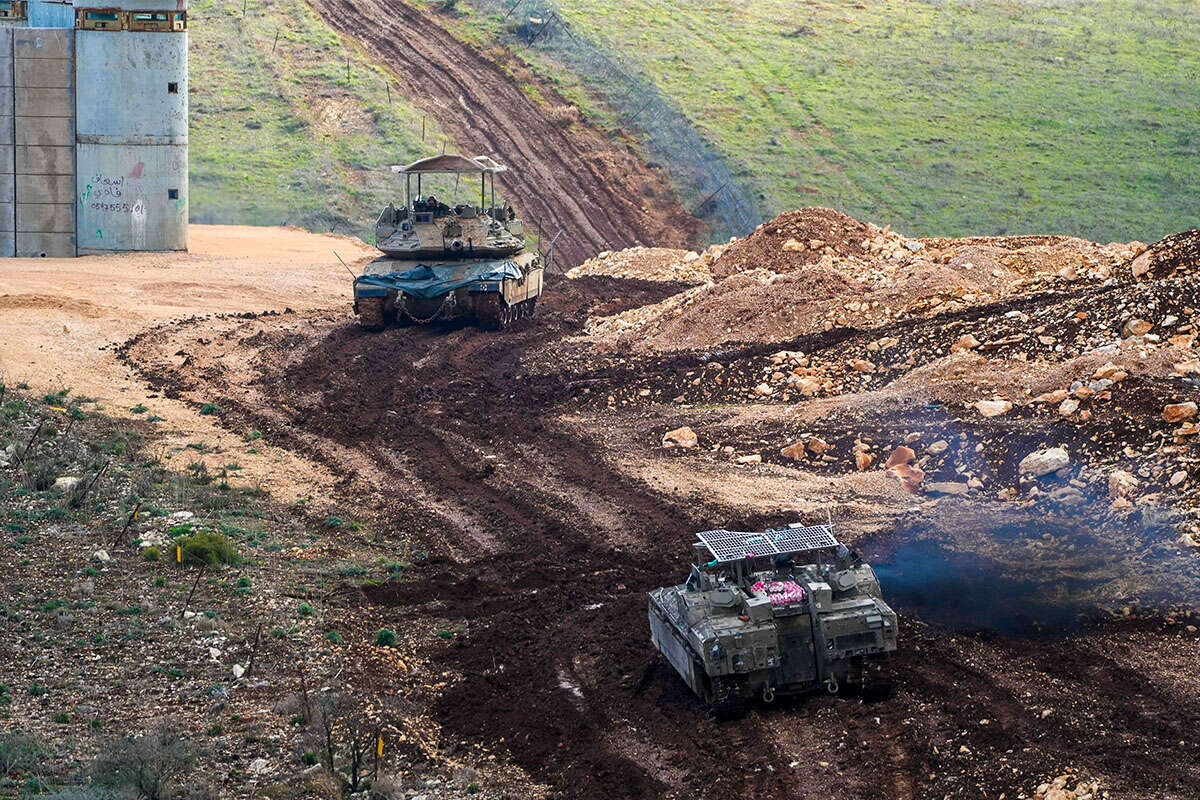
The sources said Hezbollah had deployed small fighting cells and restricted its use of anti-tank missiles. These tactics left some units isolated on certain fronts and made it harder for them to counter Israeli remotely operated systems, including armed drones and remotely controlled vehicles.
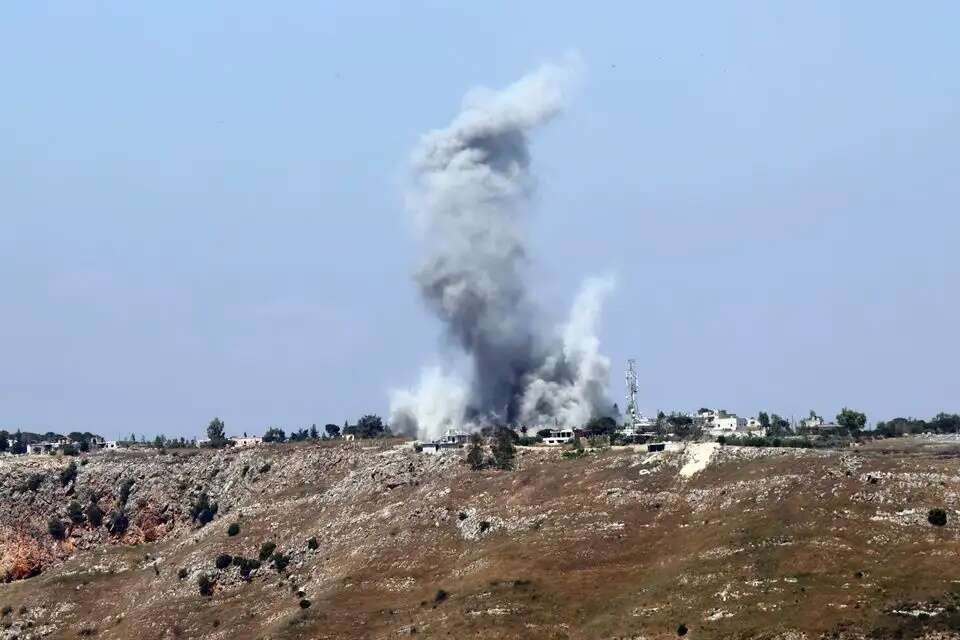
The IDF told Reuters that it uses remotely operated systems to monitor southern Lebanon and reduce the risks faced by its soldiers.
Hezbollah has not explicitly stated whether it would join a renewed round of fighting, but its media office said the terrorist organization was careful not to give Israeli leaders a pretext for escalating the conflict in Lebanon. That caution stems in part from concerns within Hezbollah that its supporters could once again be forced to flee their homes.