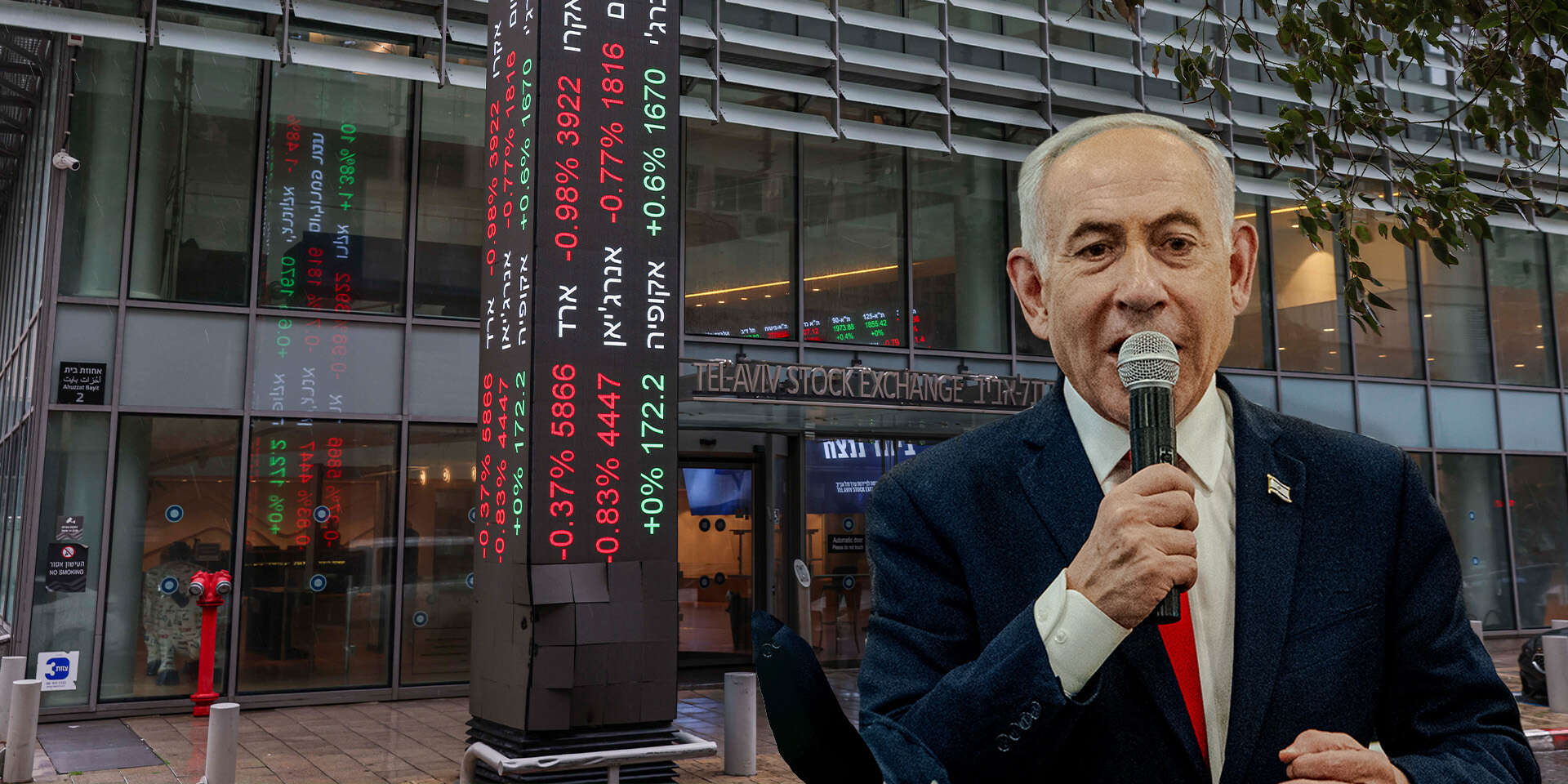
Senior figures in Israel's capital markets and banking sector have expressed deep concern over the potential fallout from Prime Minister Benjamin Netanyahu's remarks about the possibility of banking sanctions against Israel. Speaking to Israel Hayom, they warned of disruptions to international money transfers, damage to business activity and pressure on bank stocks, alongside the possibility of sharp declines on the Tel Aviv Stock Exchange when trading opens Monday. However, a senior executive at one of Israel's largest banks said he was unaware of any threat resembling the scenario Netanyahu described and expressed hope that the remarks were merely election rhetoric.
In an interview with Israel's Economy Channel on Friday, Netanyahu said he had instructed officials to prepare plans for dealing with potential banking sanctions, including through blockchain technology. "You have to understand that there could be banking sanctions," the prime minister said. "You need to prepare an economy that can circumvent them."
Asked whether blockchain technology could provide an alternative, Netanyahu replied, "One of them, certainly. And I've already asked for a plan to be prepared for that."
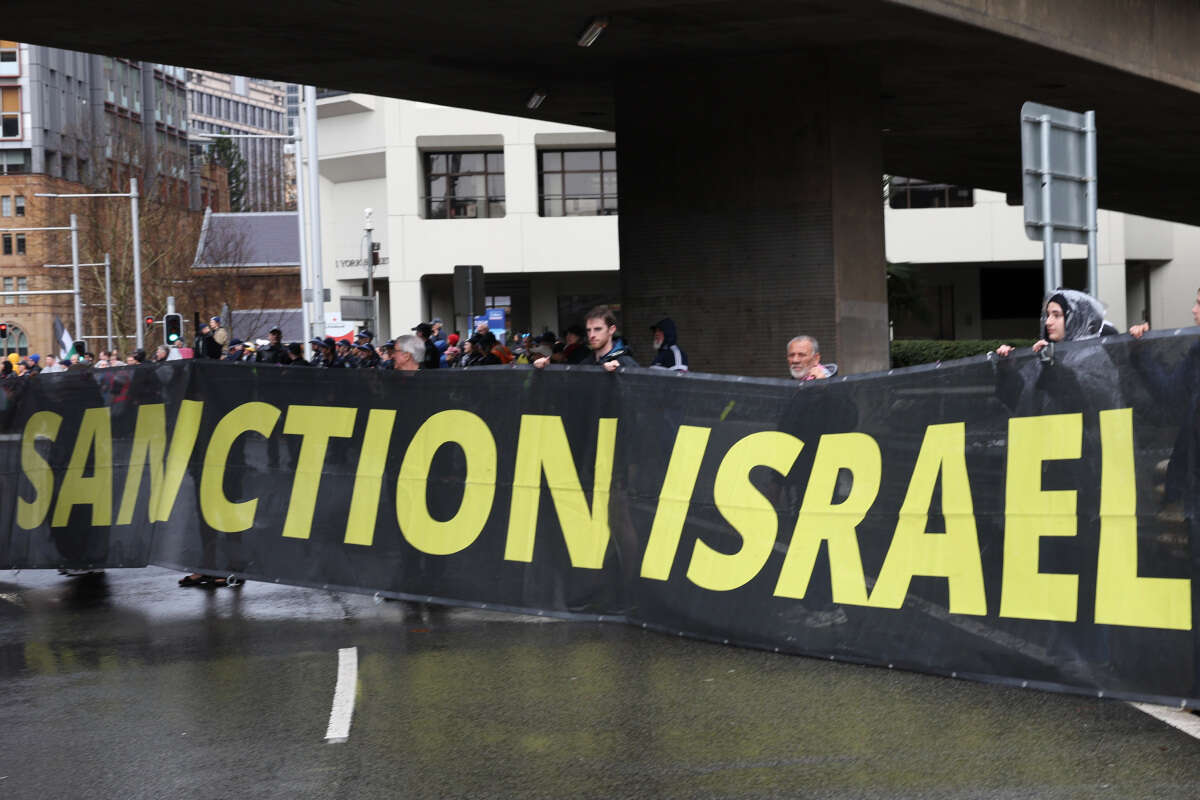
The remarks came against the backdrop of sanctions announced by several European countries and Canada, raising concerns about potential damage to Israel's financial ties with the rest of the world.
"We have no indication of such a threat"
A senior executive at one of Israel's largest banks told Israel Hayom that he found it difficult to believe Israel was facing the sanctions scenario outlined by the prime minister. "Obviously, sanctions of the kind Netanyahu is talking about would change the rules of the game, but we don't understand what he's talking about. We have no indication of anything like that," he said.
According to the executive, the severity of the potential sanctions and their implications for the fundamental rules governing economic activity have raised doubts about what Netanyahu intended by his remarks. He expressed hope that the statements had been made solely in the context of the election campaign.
Banking officials fear that even sanctions that stop short of cutting Israel off from SWIFT, the international messaging network used by financial institutions to transmit payment instructions, could disrupt economic activity. Exclusion from SWIFT would be an extraordinary and extreme measure, but even partial restrictions on money transfers could harm bank customers and businesses' ability to maintain financial relationships with overseas partners.
Such restrictions could result in transfers being put on hold pending additional checks and the submission of required documentation in either the country sending the funds or the receiving country. Because requirements may differ from one country to another, a single authorization would not necessarily be sufficient for all transactions. The result could be delayed payments, additional burdens on businesses and disruption to Israel's international trade relationships.
The banking sector fears a twofold impact: disruption to services for customers and businesses, coupled with potential pressure on bank shares and bonds. Bank stocks are a popular investment among institutional investors and foreign investors, and restrictions on capital flows could make them less attractive. Even the prospect of sanctions could influence investment decisions before any restrictions are actually imposed.
"We're heading for a market with no bottom"
Investment managers who spoke to Israel Hayom said they were bracing for a potential sell-off when trading resumes on the Tel Aviv Stock Exchange on Monday.
They warned that Netanyahu's statements about the possibility of severe banking sanctions could alarm the public and trigger selling pressure. In their assessment, investors' reactions to the remarks will be a decisive factor in determining the market's direction.
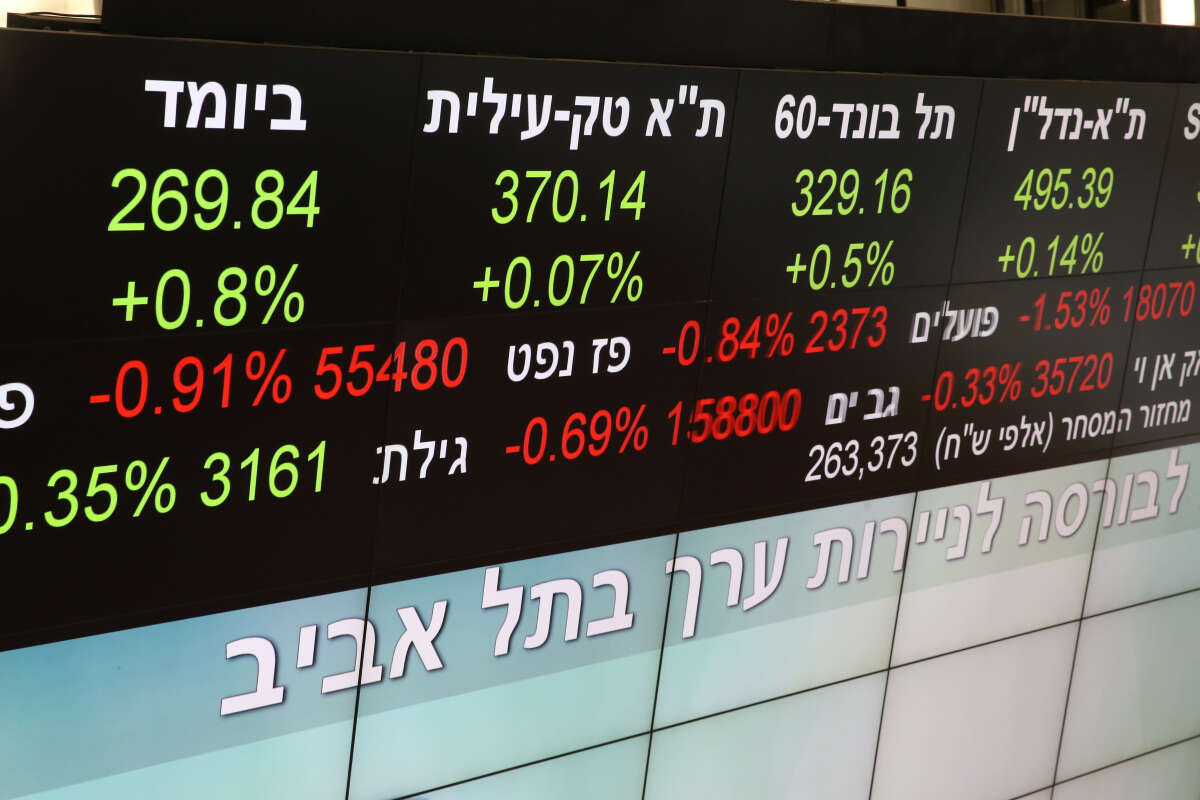
There are concerns that even the threat of sanctions, without any concrete measures being imposed at this stage, could prompt investors to reassess their holdings in Israeli assets. Under such circumstances, investors might postpone new purchases while others could begin selling stocks and bonds, including bank securities. Such activity could weigh heavily on the market and accelerate declines if a broader wave of selling develops.
One highly placed capital markets figure outlined a particularly severe scenario in a conversation with Israel Hayom. "If Netanyahu doesn't find a way to calm things down, we're heading for a market with no bottom," he warned.
Asked what he meant, he replied, "A 20% drop in the stock market is entirely possible." This was an extreme scenario raised by the source, rather than a consensus forecast of how the market is likely to perform.
For now, it remains unclear how investors will respond to the prime minister's comments. According to the sources who spoke to Israel Hayom, the Bank of Israel and the banking sector are expected to take steps to reassure markets if pressure builds ahead of Monday's trading session, when foreign exchange trading will also resume.
The senior executive at one of the major banks noted that the Bank of Israel was already addressing the issue. He estimated that a clearer picture of the impact of the prime minister's remarks would emerge once trading resumed.