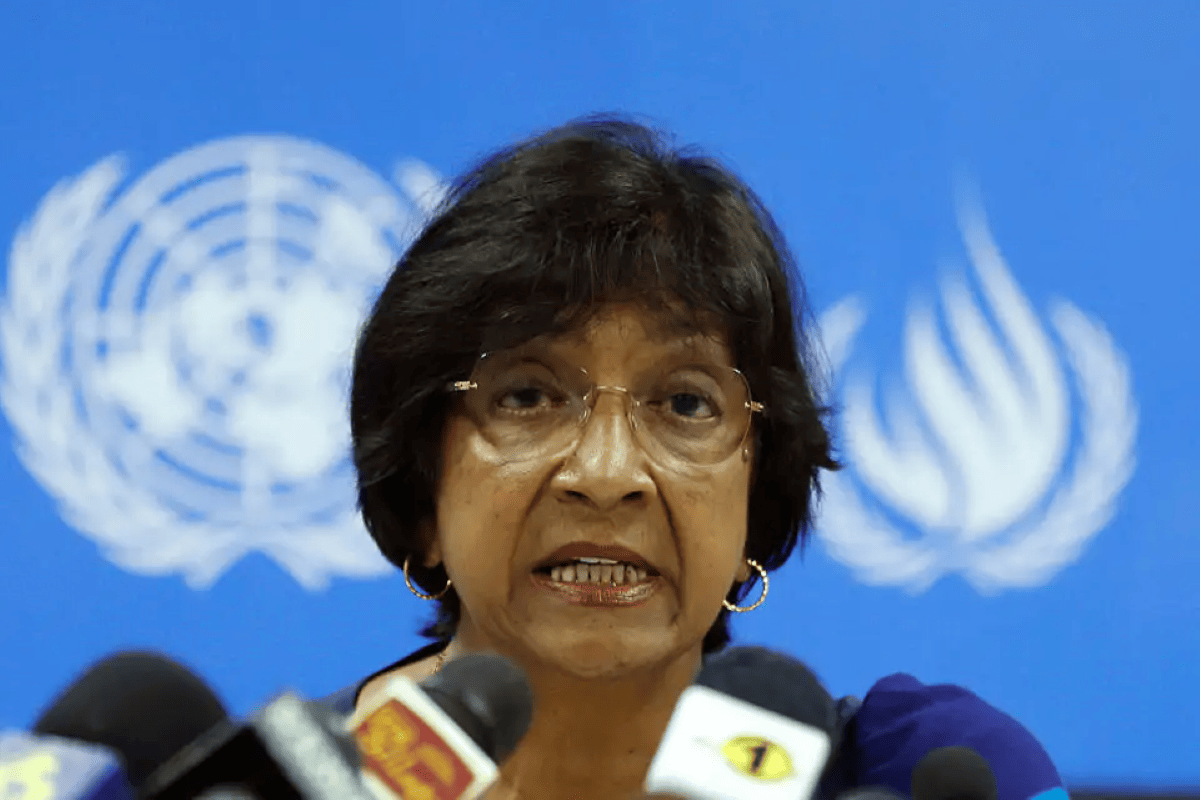
On Friday, the Norwegian Nobel Committee in Oslo announced that it is awarding the 2026 Nobel Peace Prize to Judge Navi Pillay, the former UN High Commissioner for Human Rights and chair of the UN Commission of Inquiry on the Palestinian territories.
There is nothing new about the peace prize going to someone who never brokered peace, but rather wrote indictments. The Oslo committee redefined peace long ago, shifting from ending wars to documenting their crimes. In 2022, for instance, the prize went to Belarusian human rights activist Ales Bialiatski, the Russian organization "Memorial," and Ukraine's Center for Civil Liberties. The idea is sound and well-reasoned, since law and justice prevent violence, and the prize is meant to remind us that a safer world rests on strengthening international law.
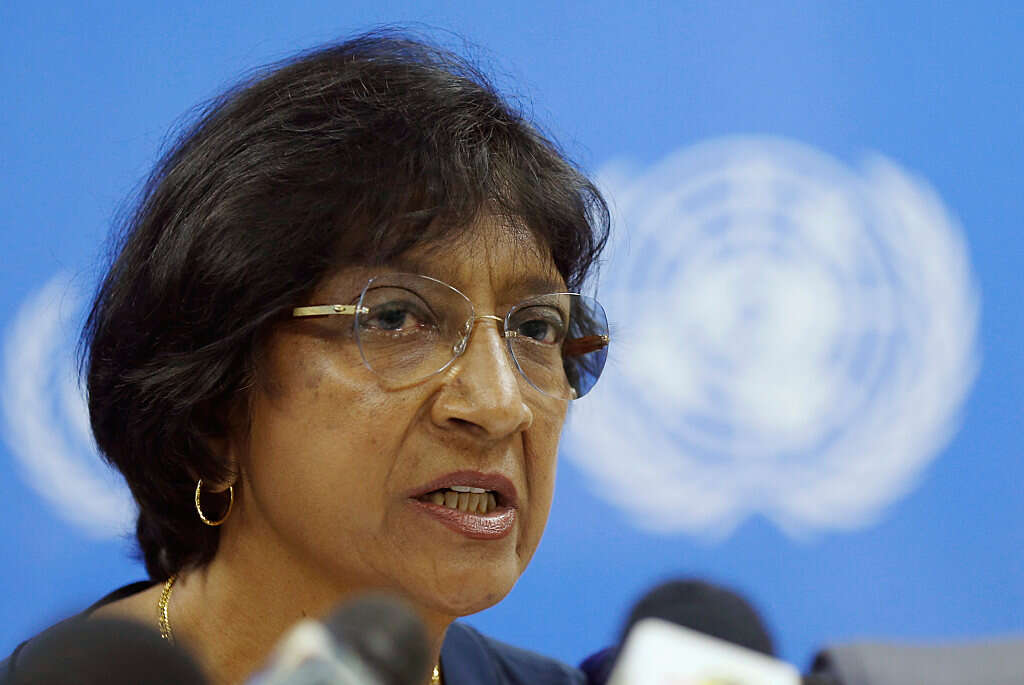
But Pillay's selection isn't another step in that logic. It deals that logic a fatal blow. It is, once again, evidence of the deep anti-Israel politicization that has spread through international institutions. After the commission she chaired determined in September 2025 that Israel had committed "genocide," Pillay became the darling of prize committees, first receiving the Sydney Peace Prize, then the Olof Palme Prize in Stockholm, and now the Nobel in Oslo.
That's no coincidence. Her anti-Israel stamp of approval has become a springboard to the biggest prize of them all. A spokesman for the Nobel Committee explicitly stated that Pillay's position that Israel committed genocide was one of the reasons she was chosen to receive the prize.
I met Pillay in 2009 in Nepal, at a human rights activists' conference, when she served as UN High Commissioner for Human Rights. Those were the days following the Disengagement (the 2005 Gaza pullout), a period when Israelis still thrived within international human rights organizations. And yet, even then, in our personal conversation, she revealed hostility toward the very idea of a Jewish state in the Land of Israel, in which she saw an exact reflection of South Africa's apartheid regime. The commissions, the reports and the prizes came much later. The hardline position was there first.
As we reported here last week, Pillay is now leading the push to redefine the legal definition of "genocide" so that it fits and encompasses Israel's actions in Gaza. She is doing so as an ad hoc judge appointed by Gambia in Gambia's case against Myanmar at the International Court of Justice in The Hague. She isn't crafting this new legal test for the Rohingya people. She is crafting it to convict Israel.
There was one place that understood this in time. In September 2022, Germany's United Nations Association was set to award Pillay the Otto Hahn Peace Medal at an official ceremony in Berlin. It turned out that no one in the mayor's office had bothered to check who the nominee was. Following an appeal from Israel's then ambassador to Germany, Ron Prosor, the ceremony was canceled at the last minute. Berlin, which had learned the hard way what happens when the law is harnessed to a predetermined political conclusion, was ashamed. Oslo is no longer ashamed.
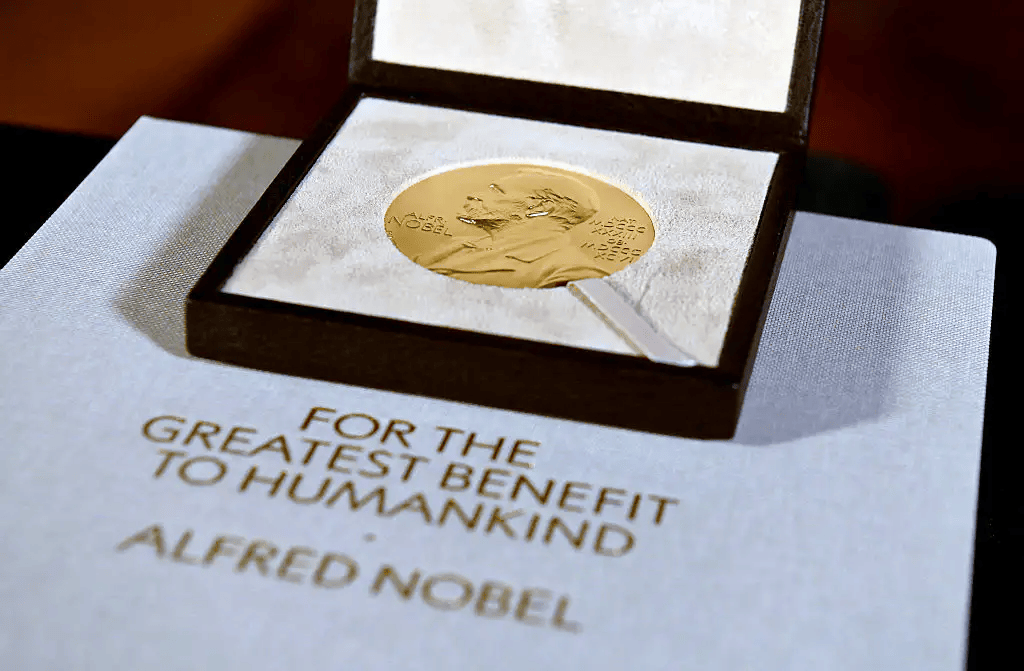
There is something symbolic in these two prizes. Alfred Nobel invented dynamite, then founded a peace prize to atone for the destruction. Otto Hahn discovered nuclear fission, then devoted the rest of his life to fighting the weapon his discovery made possible. Both men sought to draw a clear line between invention that sustains human life and destruction that brings ruin. This year, the committee that bears Nobel's name awarded its prize to a judge working vigorously to do exactly that: erase the legal line between the two.