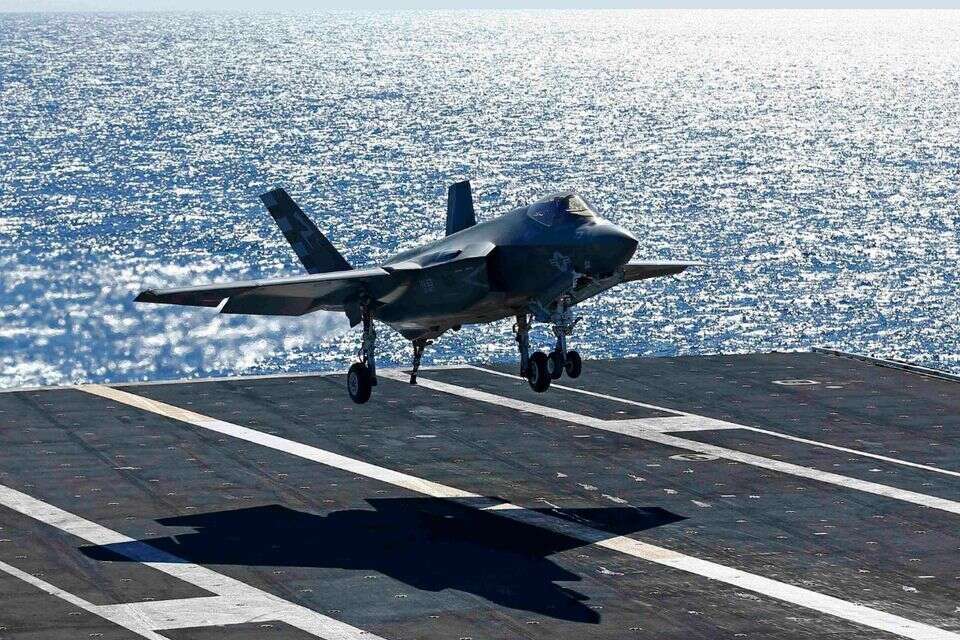
China obtained sensitive components from the F-35, the world's most advanced fighter jet, after a UPS employee overlooked a critical email warning against routing the shipment through Hong Kong, Bloomberg reported Wednesday.
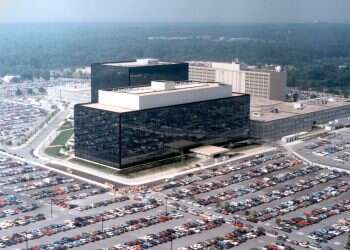
The incident, which occurred in late May, has caused considerable embarrassment for the Pentagon and defense contractor Lockheed Martin, prompting investigations into how sensitive US military technology ended up in Chinese hands.
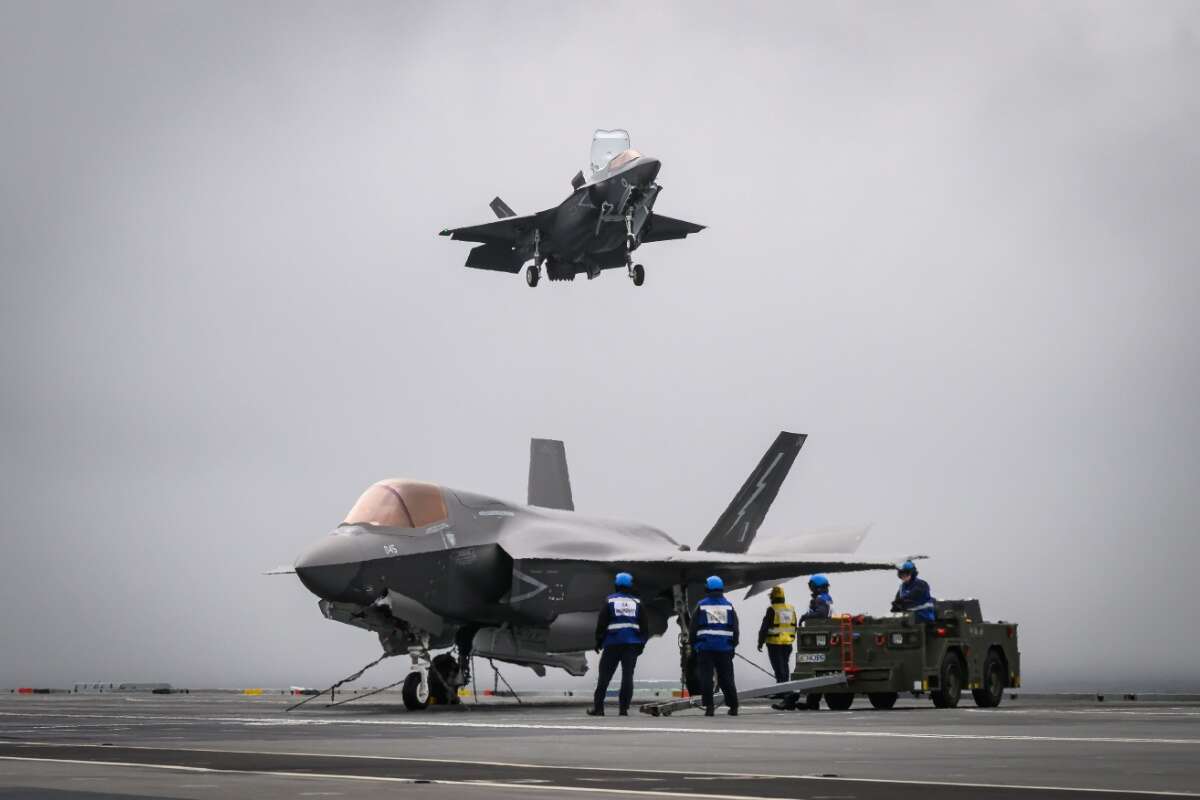
The shipment, sent from Australia to the United States for inspection and possible repair or disposal, contained a cockpit canopy and a weapons-bay door from an F-35 stealth fighter. Both components were coated with specialized radar-absorbing material designed to enhance the aircraft's stealth capabilities. The F-35 is part of the most expensive weapons program in US history.
According to details provided during a closed-door Pentagon briefing for staff of two House committees, the shipment was originally scheduled to travel to San Francisco via South Korea and Taiwan, both US defense partners. However, after a delay in its departure from Australia, the shipment was mistakenly rerouted through Hong Kong in an attempt to speed up delivery. Chinese authorities subsequently took possession of the components, which have yet to be returned.
Freight forwarding company DSV, working on behalf of Lockheed Martin, had sent an explicit warning that the equipment was subject to the US International Traffic in Arms Regulations (ITAR), which are designed, in part, to prevent sensitive American military technology from falling into the hands of US adversaries.
However, the warning may have been sent through a different computer system from the one used by the UPS employee handling the shipment. As a result, the critical instructions were overlooked, allowing the restricted components to be diverted to Hong Kong.
Senior officials and defense experts have warned of the potentially serious consequences of the security lapse. "It's not good the Chinese now have" an F-35 canopy, said Diana Maurer of the Government Accountability Office (GAO), the nonpartisan US congressional watchdog that oversees government spending and performance.
Maurer warned that Chinese specialists were likely attempting to reverse engineer the components to uncover the technology behind them and develop ways to counter the aircraft's stealth capabilities. "I'm sure the Chinese celebrated and then they got busy trying to reverse engineer it and figure out how to counter it with their own technical capabilities," she said.
The incident has prompted investigations by the Pentagon and State Department, while outraged US lawmakers are demanding a comprehensive review of the global supply chain for American military equipment to prevent similar security failures.
Sen. Mark Warner (D-Va.), the top Democrat on the Senate Intelligence Committee, requested a formal Pentagon briefing on the incident. The committee's Republican chairman, Sen. Tom Cotton (R-Ark.), has called for a review of the defense supply chain and its security procedures.
Sen. Kevin Cramer (R-N.D.), who chairs a Senate Armed Services subcommittee investigating the incident, raised the possibility that the shipment may have been deliberately targeted. "Did China have a plan all along to intercept this?" Cramer asked.