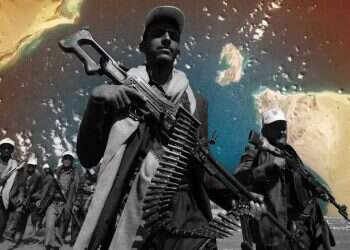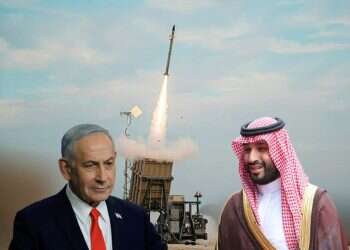
Saudi Arabia has appealed to its regional and Western allies for air-defense assistance as its stockpile of missile interceptors dwindles amid its continuing confrontation with the Houthis in Yemen, two regional officials told The Associated Press.
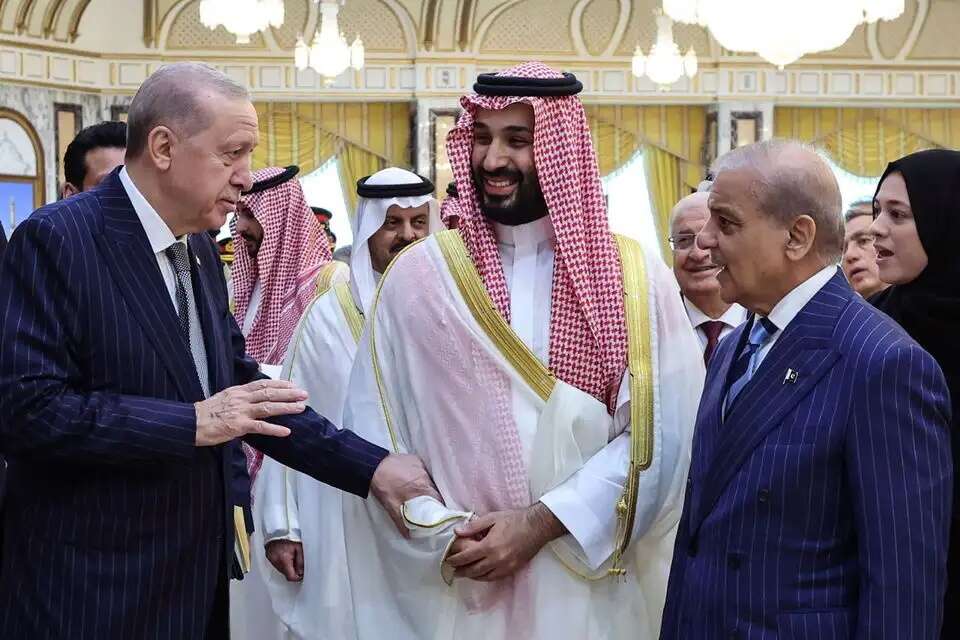
According to the officials, Saudi Arabia has asked France, Britain, Pakistan and Egypt to deploy air-defense systems to the region to help protect against missiles and drones launched by the Houthis and other Iran-backed groups.
One official said the request was also prompted by the fact that the US, Saudi Arabia's main ally and principal arms supplier, has itself seen its interceptor stockpiles decline after six months of war with Iran. Both officials spoke to AP on condition of anonymity because they were not authorized to brief the media. Saudi Arabia did not immediately respond to a request for comment.
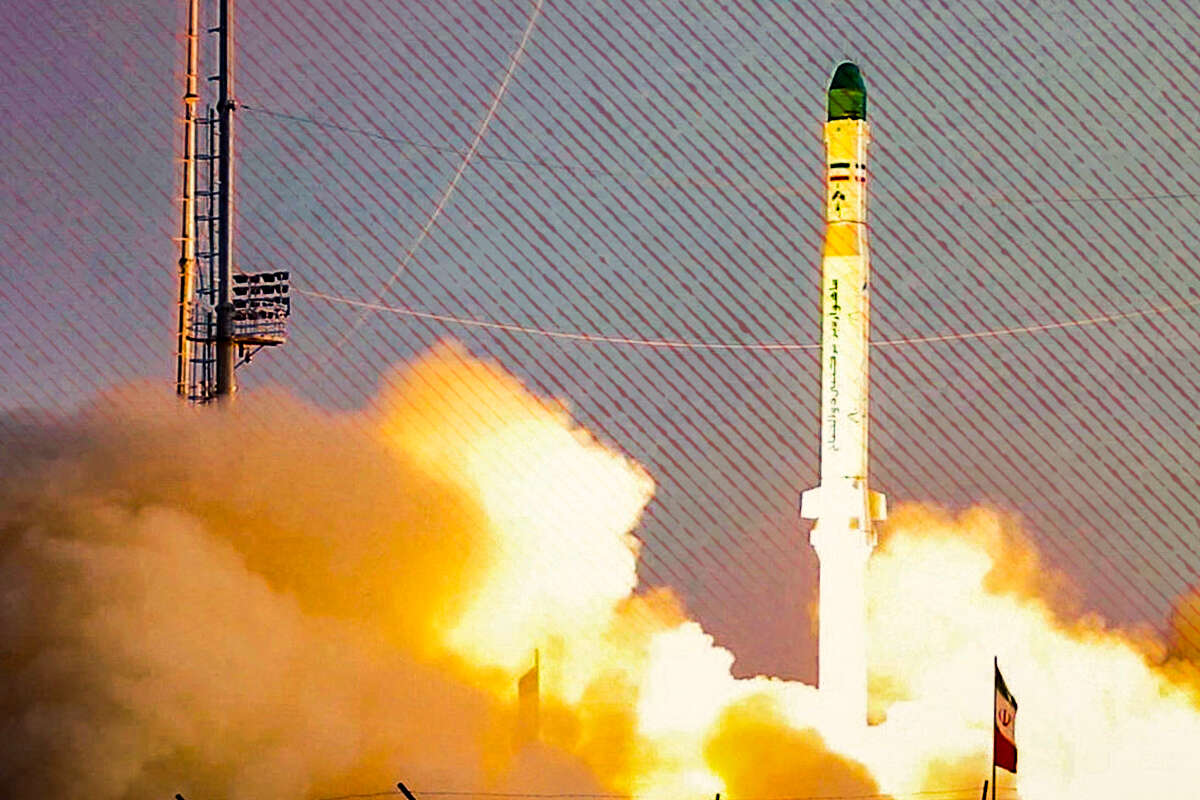
The ungoing conflict between Saudi Arabia and the Houthis is the latest front to open as a result of the war with Iran. On Wednesday, Saudi Arabia accused the Houthis of attempting to attack Mecca with a drone and said it had intercepted the aircraft. The Houthis denied targeting the city, which lies about 1,100 kilometers (680 miles) from the Yemeni border. Saudi Arabia declared Mecca, Islam's holiest city, a "red line."
According to AP, Saudi Arabia faces a difficult situation: It must protect not only military bases and vital government installations, but also oil facilities across the kingdom. At the same time, a major oil pipeline in the country has been shut down following an attack by Iran-backed militias in Iraq, while the Houthis continue to target Saudi infrastructure and shipping in the Red Sea.
One of the officials told AP that Saudi Arabia was trying to rally its allies behind a collective response against the Houthis, but that diplomatic efforts were currently being given priority. Oman and Egypt, the official said, were leading efforts to de-escalate tensions in Yemen.
British officials confirmed that the UK has a "close defense partnership" with Saudi Arabia, but would not say whether Riyadh had requested military assistance or whether British troops were currently in the kingdom. Officials from Turkey and Pakistan told AP that their countries had not received a Saudi request for support in response to the escalation with the Houthis.
The US, too, has shown little inclination to intervene directly in the conflict. A US official said US Central Command has a task force in place to strengthen intelligence sharing and planning support with Saudi forces.
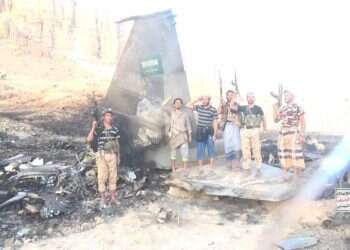
Meanwhile, the Houthis claimed Wednesday that they had shot down an F-15 fighter jet operated by the Saudi-led coalition over Marib province in central Yemen.
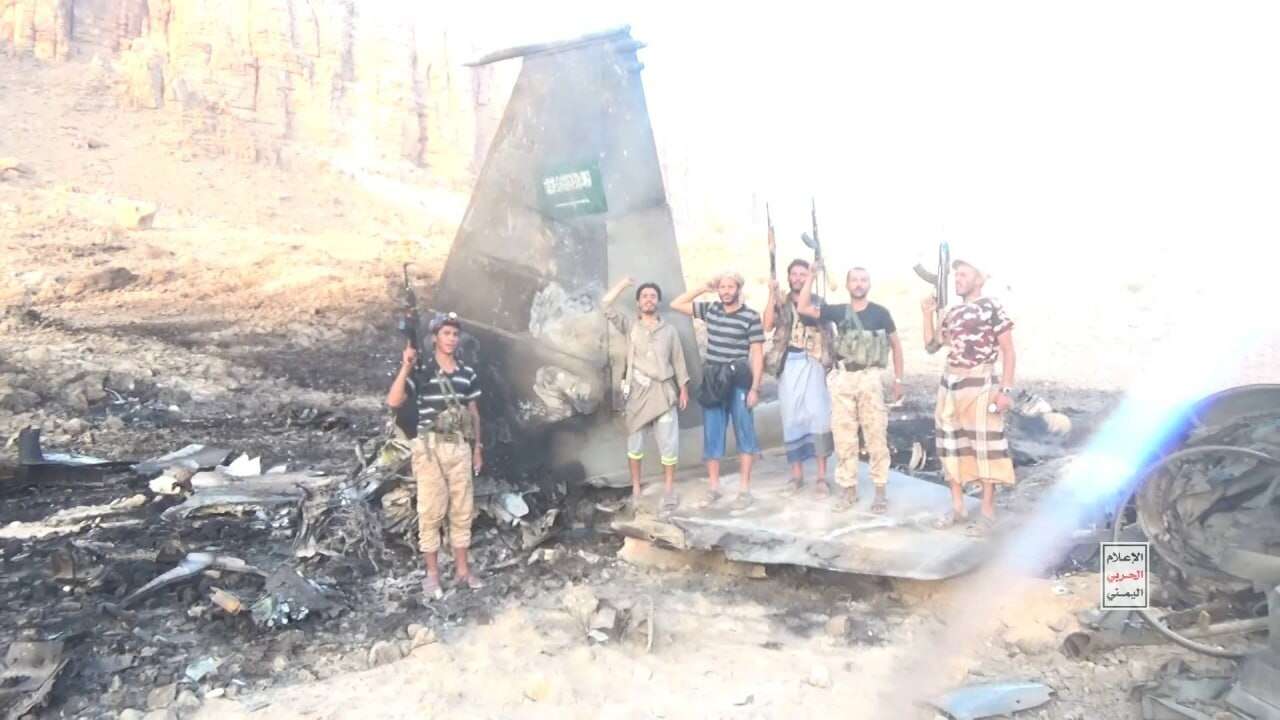
At the same time, Iranian Foreign Minister Abbas Araghchi arrived in China, the largest buyer of Iranian oil. Chinese Foreign Minister Wang Yi called on the US and Iran to exercise restraint and reopen the Strait of Hormuz as soon as possible, while voicing concern over the spread of the fighting to Yemen and the Red Sea.
According to estimates cited by AP, oil flows through the Strait of Hormuz have recovered somewhat as tankers have begun risking passage along a route near Oman with guidance from US forces. Estimates of the current flow range from 5 million to 7 million barrels per day, less than half the volume that passed through the strait before the war began following US and Israeli strikes in Operation Lion's Roar.