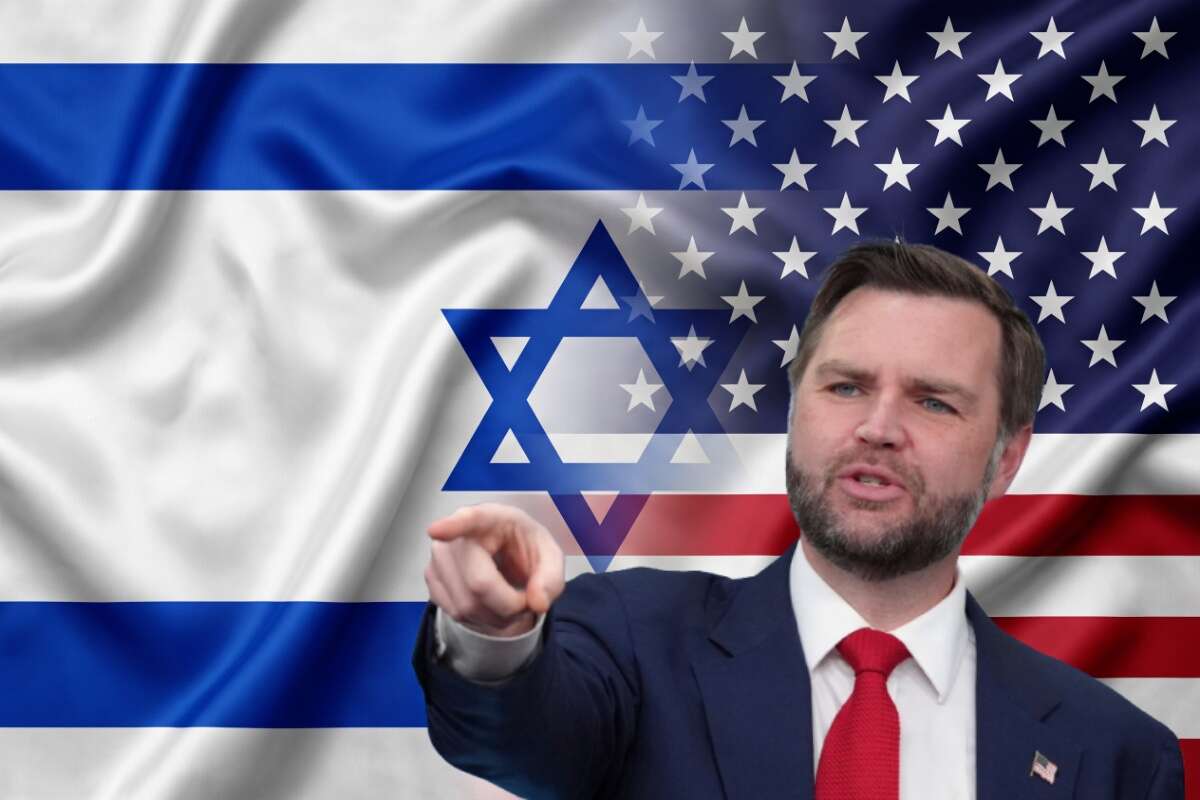
Vice President JD Vance staked out a hard line on US Middle East policy Tuesday, making clear across a series of interviews that Washington answers to no one, not even Israel. He also declared the first phase of the confrontation with Iran over, along with the destruction of its military capabilities.
Speaking on the "All-In" podcast (a US tech and politics show), Vance laid out the administration's independent approach to foreign policy. "American foreign policy is not subservient to the State of Israel, we're going to work with Israel when we work with them, we're going to disagree with them when we disagree with them, but we're going to have an actual, rational foreign policy," he said. Comparing the relationship to Washington's ties with NATO, Vance explained that even key partnerships do not require total subordination of American foreign policy.
JD Vance just said "we cannot let our Middle Eastern foreign policy be subservient to the state of Israel."
Our U.S. foreign policy has never been subservient to Israel's foreign policy. He knows that. Why would he need to say that unless he's trying to politically gain some… pic.twitter.com/JT5jJClCU0
— Heather Johnston (@HeatherJ_Israel) September 16, 2026
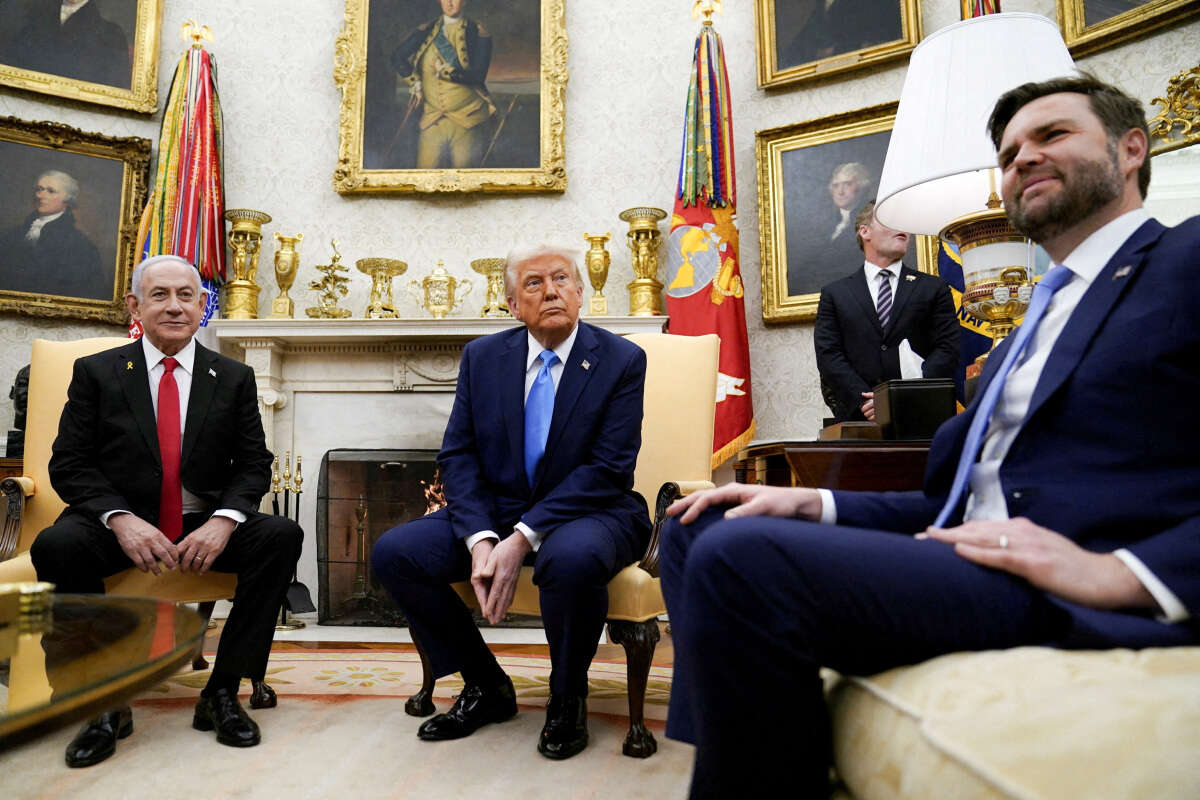
Israel, Vance said, remains a vital partner in military technology and intelligence sharing – even as disagreements persist. He pointed out that President Donald Trump has shown more willingness to publicly break with Prime Minister Benjamin Netanyahu than any president in recent decades. "More than, frankly, any president in the last 40 years, he has shown a willingness to actually part ways with Bibi Netanyahu when he feels like the interests of the American people are different than the interests of the government of Israel," Vance said. Acting in America's own interest, he added, is the only way to run a rational foreign policy.
Meanwhile, Vance said a shift is coming to the US-Iran conflict in a New York Post interview on Tuesday. Within a couple of months, he said, the war will look "much different." He also aligned himself with Trump's forecast that the fighting would conclude "right after" the midterms, following months of tit-for-tat strikes.
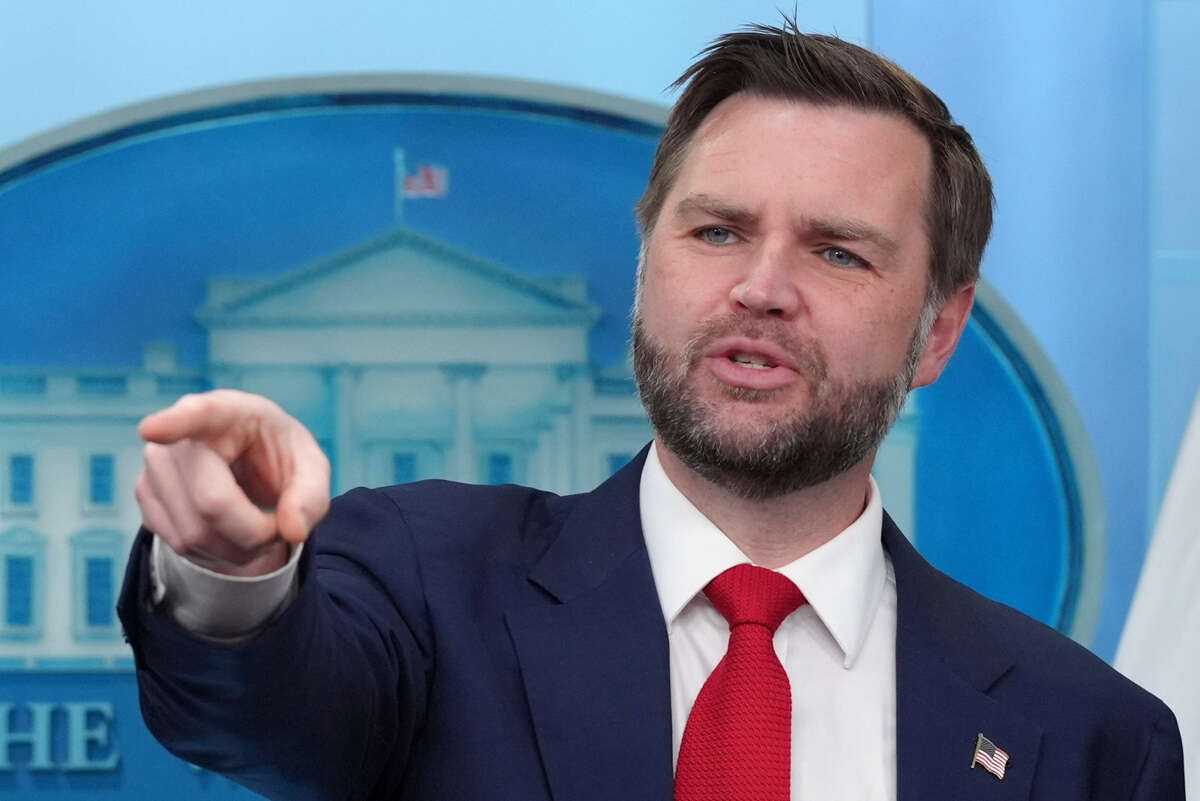
Speaking aboard Air Force Two on Monday, Vance said Iran's control over the Strait of Hormuz will keep weakening before the election. Traffic through the passage, he noted, has "returned to well over 50% of normal traffic."
"We can't predict the future, but I think the president is right to say that this thing will enter a much different phase in a couple of months," Vance said, per the Post. "He's also the commander in chief, so he's the person who determines … when conflicts start and when they stop."
He also addressed criticism of the pace of US action. "I certainly understand there's some impatience from the American people, but fundamentally what's happening right now is that the United States is not engaged in aggressive operations. We're just not," he added.
Iran, meanwhile, keeps firing sporadically at civilian ships, Vance said. "But what is happening is that the Iranians are occasionally shooting at commercial shipping, usually not successfully," he said.
Four months of Navy SEAL mine-clearing operations have reopened much of the strait, though crossings remain well below pre-war norms. Just 11 commercial vessels made the trip in the past 24 hours, shipping trackers showed, compared with roughly 130 that typically crossed the Oman-Iran waterway before the war.
Not all crossings show up in that data. For months, the US has quietly escorted tankers through the strait with transponders switched off to dodge Iranian attacks, in what are sometimes called "dark" missions.
"There are really two phases to this thing, and the first phase is done," Vance continued. "The first phase was destroy the nuclear program, destroy their conventional military, destroy their ability to project power in a way that they were able to even a couple of years ago."
"And then the second phase of this is ensure that they're not able to rebuild and try to maintain as much global stability in the wake of that," he also said.