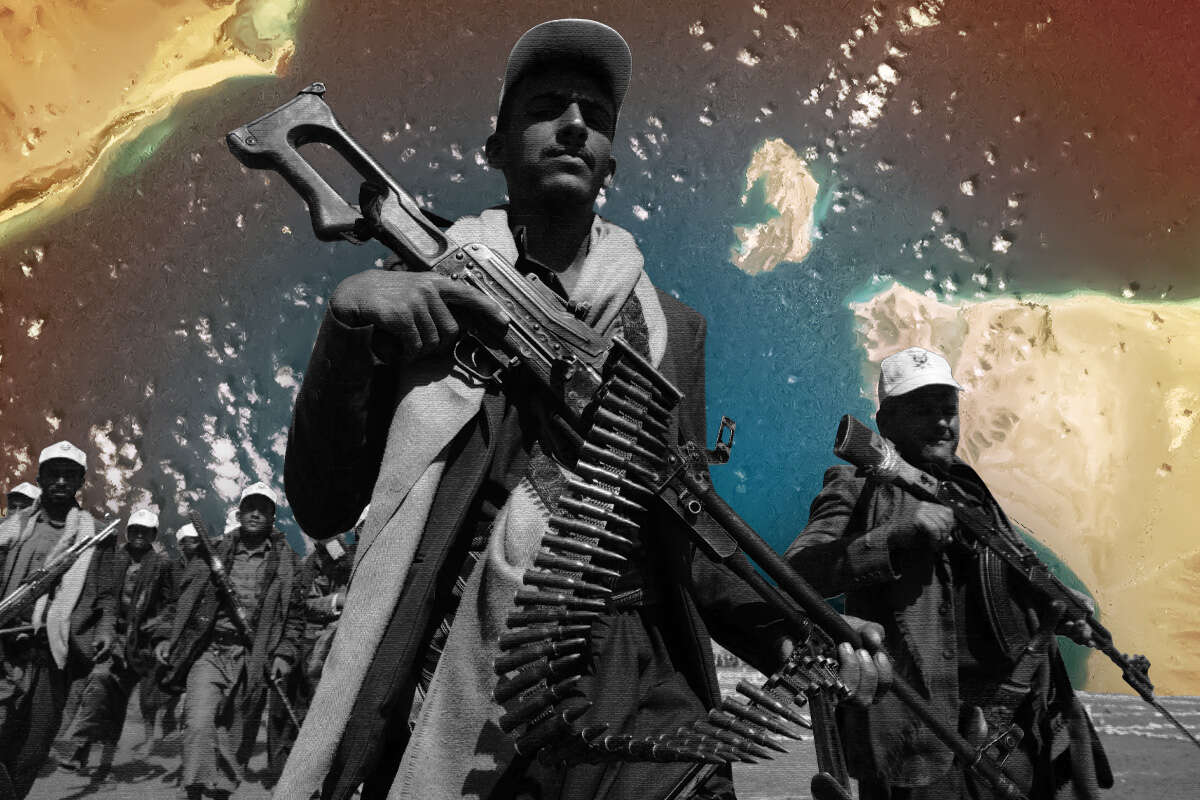
US officials met with representatives of the Houthis in Oman over the weekend, according to five sources familiar with the matter, in a previously undisclosed meeting held at the US Embassy in Muscat, Reuters reported. Three of the sources described the session on condition of anonymity, while two said Oman's government, long a regional mediator, had helped arrange it.
On Saturday, President Trump said that the Houthis had contacted his administration requesting that Washington stay out of the Yemen war, while Vice President JD Vance said Monday the US was in direct contact with the group without elaborating. The US reached a ceasefire with the Houthis, designated a foreign terrorist organization by the administration in March 2025, in May of last year following a two-month bombing campaign.
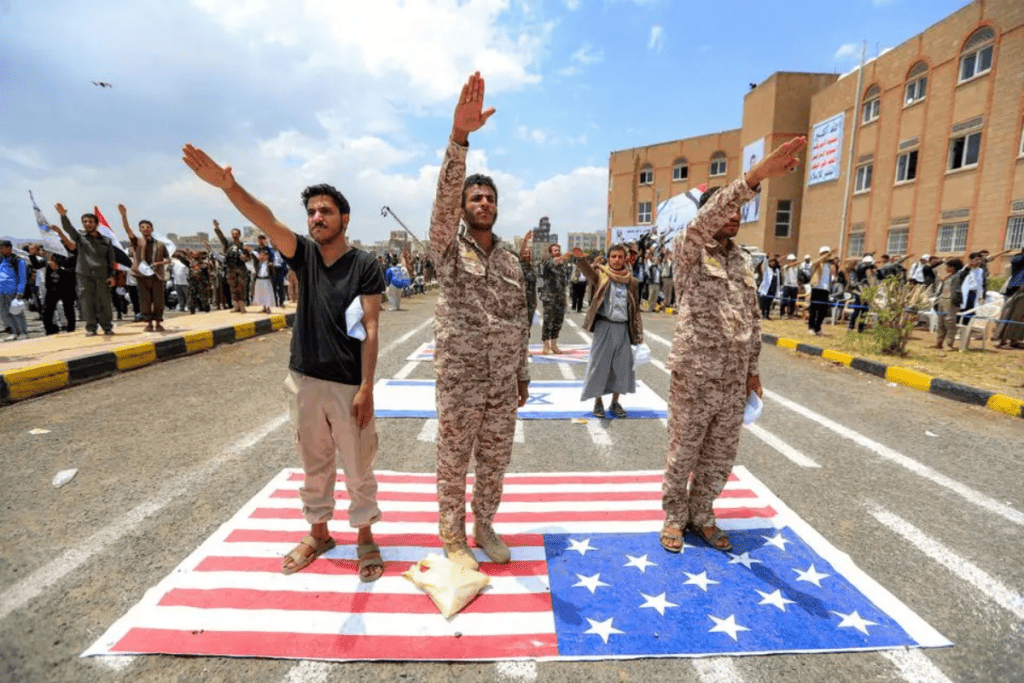
During the Sunday meeting, the Houthis told American officials they had no intention of striking US vessels and remained committed to the 2025 ceasefire, two sources told Reuters. One Yemeni source added that the militia also pledged not to target Israeli or other commercial ships, with the exception of vessels belonging to Saudi Arabia.
Two of the sources said embassy staff represented the American side. One source identified a senior Houthi official based in Muscat and under US sanctions, Mohammad Abdulsalam, as part of the delegation; another source confirmed his presence alongside a second senior Houthi figure, Abdelmalik al-Ajiri.
A State Department spokesperson declined to confirm the reported meeting directly but said protecting freedom of navigation in the Red Sea and countering the export of terrorism from the Middle East remained core US interests. Oman's embassy in Washington and Abdulsalam did not respond to requests for comment.
On Wednesday, Saudi warplanes pounded Yemen, as the Iran-backed Houthis consolidated territorial gains from a lightning offensive that has expanded Tehran's footprint in the broader Middle East war and further squeezed global oil supplies. Reflecting how quickly the new front has escalated, the United States hardened its travel guidance for Saudi Arabia, barring government personnel from approaching within 20 miles of the Yemeni border.
Since last week, the Houthis have swept through towns along Yemen's Red Sea coast and taken islands in the Bab el-Mandeb strait at its mouth. Overnight footage released by the group showed operatives capturing armored vehicles from Saudi-backed forces, while warplanes circled overhead and explosions rose from the desert dunes below.
Over the past week, Houthi fire into Saudi Arabia has triggered alarms in cities across the south and west of the kingdom. Compounding the pressure, an attack last week attributed to Iran-aligned operatives in Iraq disabled Saudi Arabia's East-West Pipeline, the primary channel for rerouting oil exports around the blockaded Strait of Hormuz.
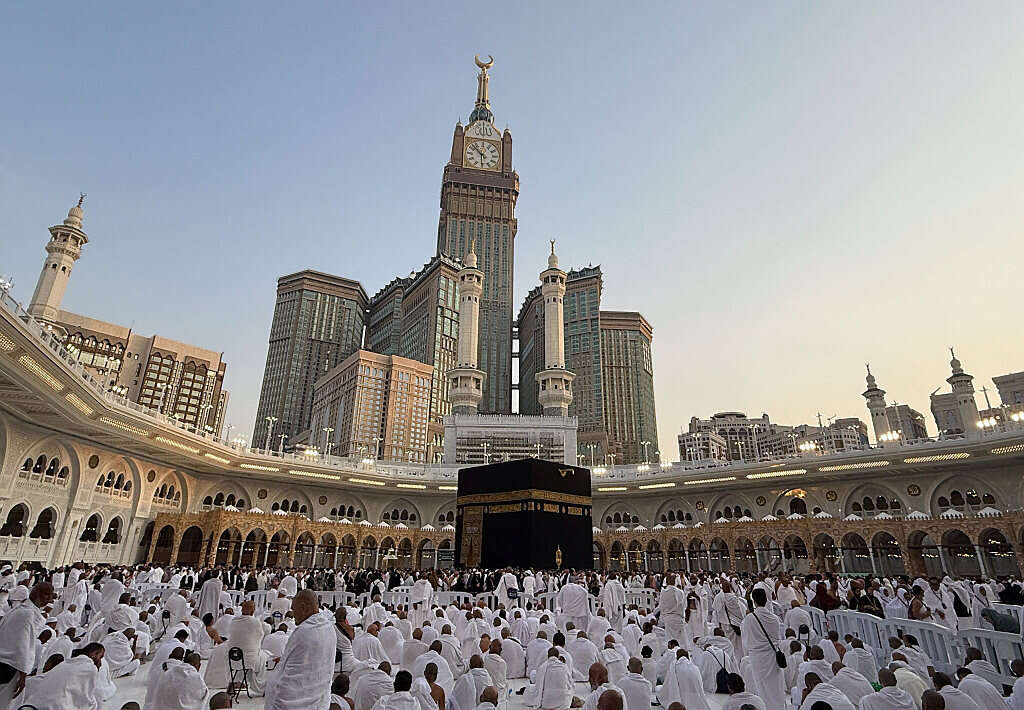
Riyadh said Tuesday that its air defenses intercepted a Houthi drone south of Mecca before it could breach restricted airspace over the holy city, describing the incident as crossing a "red line" by threatening sites sacred to Muslims worldwide.
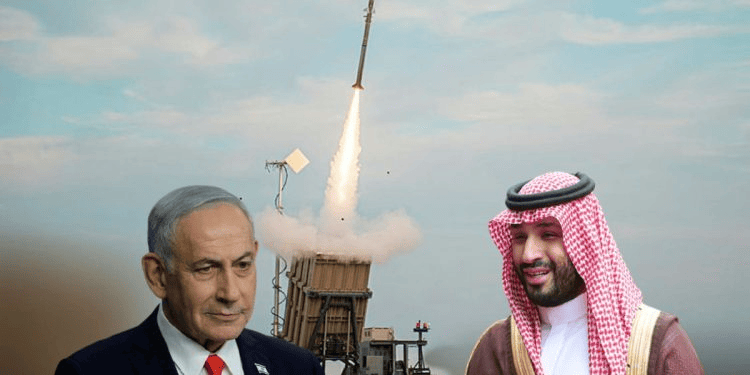
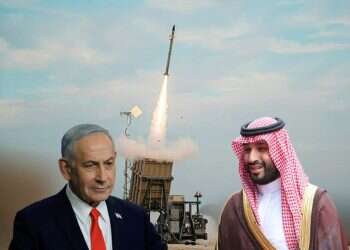
Saudi Crown Prince Mohammed bin Salman phoned President Trump last week to request military support, though assistance from Washington has so far been limited to intelligence sharing. Reuters has reported that the US told Riyadh it would not get directly involved. However, diplomatic and security officials from the region have confirmed to Israel Hayom that contacts and discussions are taking place between Saudi Arabia and Israel through the US Central Command (CENTCOM) with the aim of assisting the Saudis with intelligence to defend themselves against the Houthis. On Monday, Israel Hayom published that Saudi Arabia had appealed to Israel through CENTCOM with a request for assistance in the war against the Iran-backed terrorist group.
Saudi Arabia has led a coalition fighting the Houthis since 2015, a conflict that had largely calmed under a ceasefire in recent years before reigniting in July, when the Houthis declared a naval blockade against Saudi Arabia and began firing on areas in the kingdom's south. Fighting has intensified sharply this month as the group has pushed back forces aligned with the internationally recognized, Saudi-backed Yemeni government.