Exclusive photographs obtained by CBS News have surfaced showing, for the first time, the scale of destruction inflicted on multiple US military positions throughout the Middle East during Iranian missile and drone attacks. Buildings and vehicles at several installations sustained heavy damage, as seen in the images.
Active-duty service members provided the photos under condition of anonymity, citing strict military restrictions on public disclosure. "This is major damage to our bases that hasn't been communicated to the American public," one deployed service member told CBS News. "We're standing there with our eyes closed getting punched in the face."
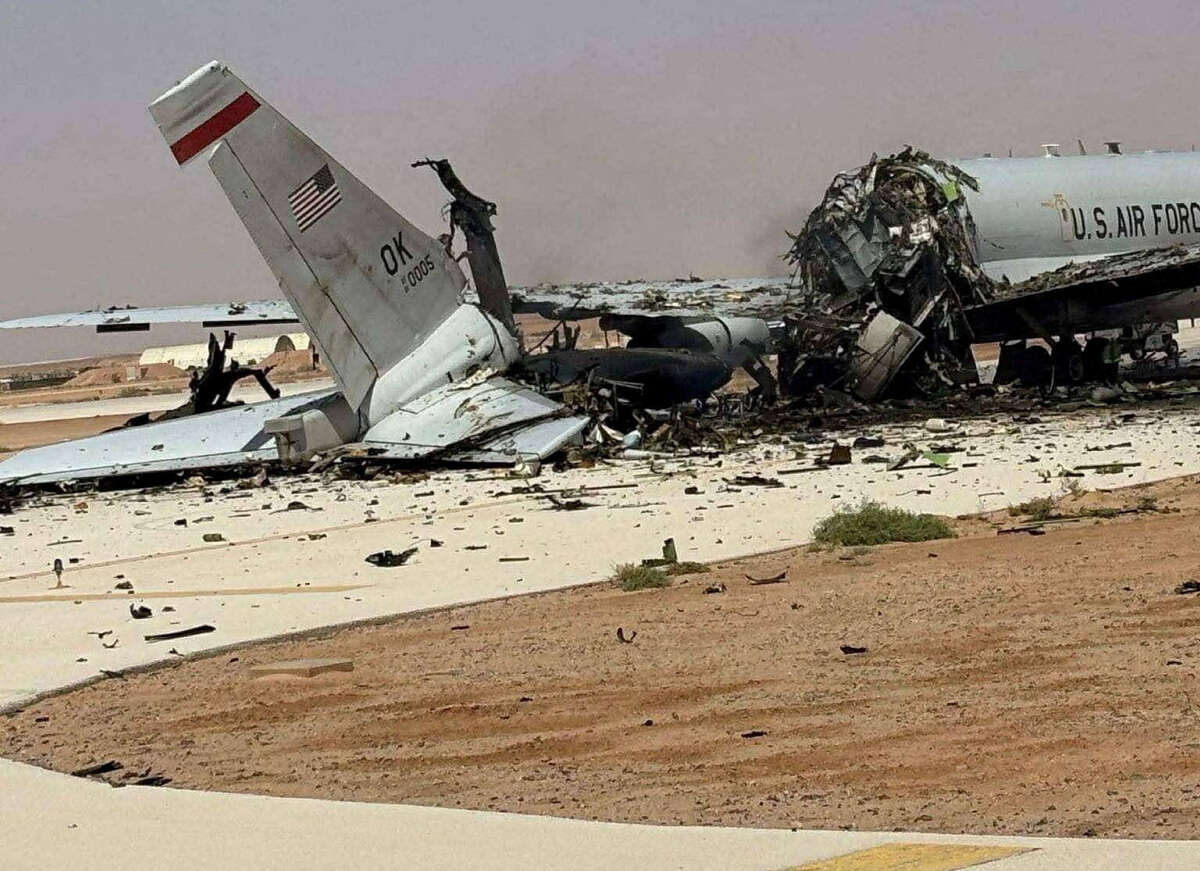
At Prince Sultan Air Force Base in Saudi Arabia, one undated photograph captures a Boeing E-3 Sentry, a four-engine aircraft, that sustained a direct hit to its rear, severing the tail from a charred fuselage that once carried a rotating radar critical for midair intelligence gathering.
Additional images from the same base depict barracks and other structures reduced to hollow shells. Notably, these gutted buildings stand adjacent to cement "T-wall" fortifications left untouched; these barriers, long considered vital protection against grenade and mortar fire, offered little defense against attacks launched from the air.
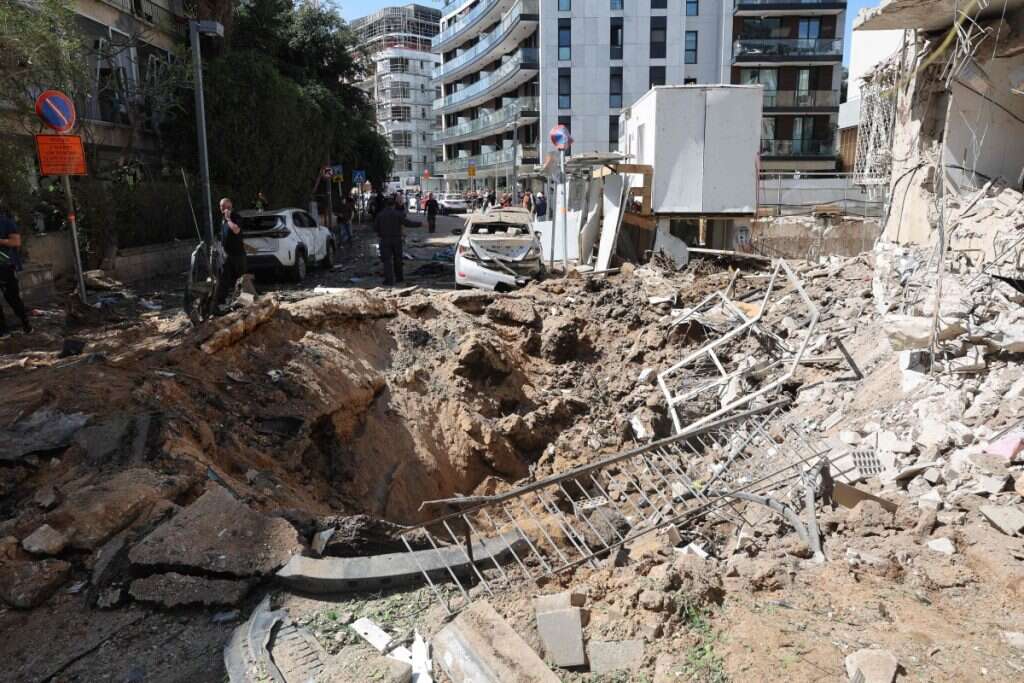
Comparable devastation appeared in photographs taken at Camp Buehring in Kuwait, a key staging ground for US Army ground forces, armored vehicles and select aircraft. Situated in a remote desert area northwest of Kuwait City, the post also sustained significant damage, based on images from Camp Arifjan, Kuwait, showing further structural harm.
A new report released this week by the Defense Department's inspector general disclosed that "equipment losses" from the Iran conflict reached as high as $3.7 billion, encompassing nearly 60 aircraft. According to the report, filed as a first-of-its-kind mandatory submission to Congress, US Central Command confirmed that Iranian strikes hit American bases across Kuwait, Bahrain, Qatar, the UAE, Saudi Arabia, Iraq, Oman and Jordan.
Requests for comment sent to the Pentagon went unanswered.
"These are not 'squirters' getting through," the service member added, referencing language used by Defense Secretary Pete Hegseth following the deadly March 1 attack on the Port of Shuaiba in Kuwait, an assault that killed six US troops. "We're not defending these bases. We're just watching them get destroyed."