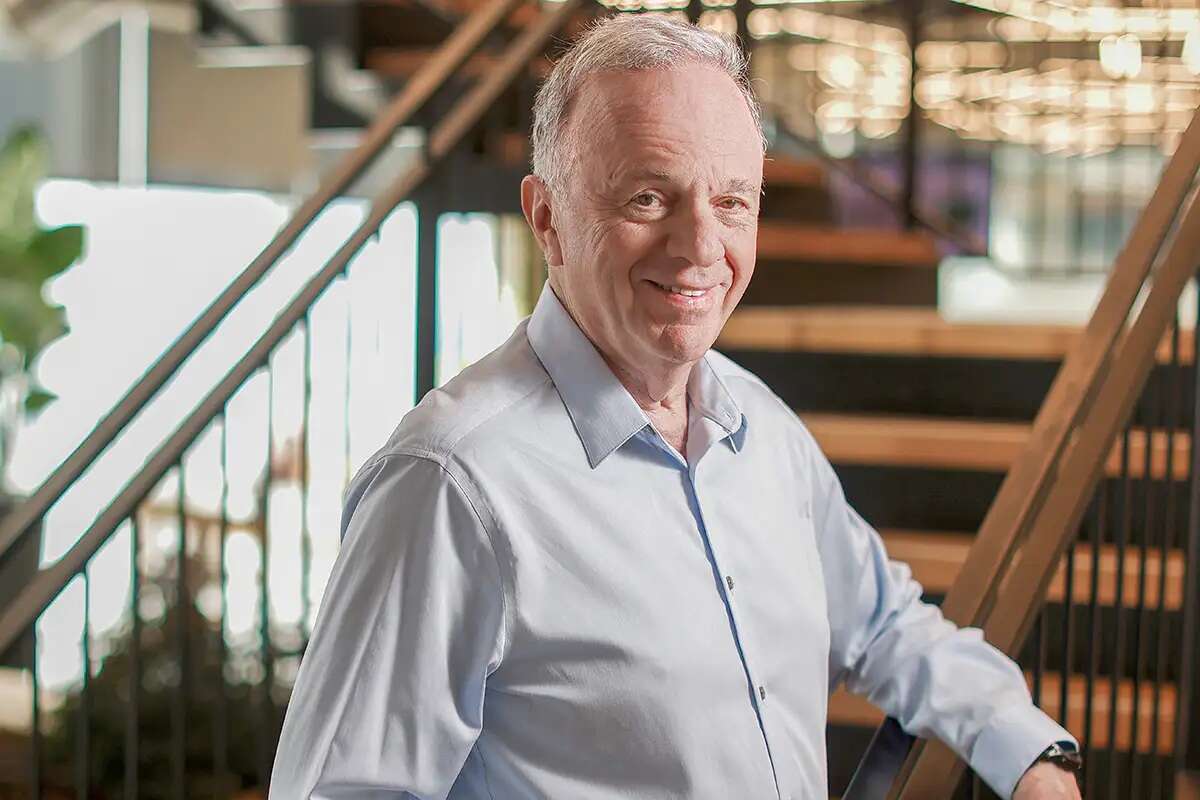
If you seek out Michael Kagan amid the bustling streets of Tel Aviv, there is a good chance you will spot him in an unexpected setting – riding a train or sitting on a city bus. The man who serves as the CTO for the global chip giant Nvidia, and is widely considered one of the world's most influential development figures, opts to navigate the metropolis just like anyone else.
He distills the time between stops into moments of reflection, transforming his commute into an incubator for ideas that could reshape the world. Kagan, who sat for in an interview slated for publication Friday as part of Israel Hayom's "Israel – Work Plan" project, says "ideas certainly come up there [during his rides], but I am not at liberty to discuss all of them at the moment."
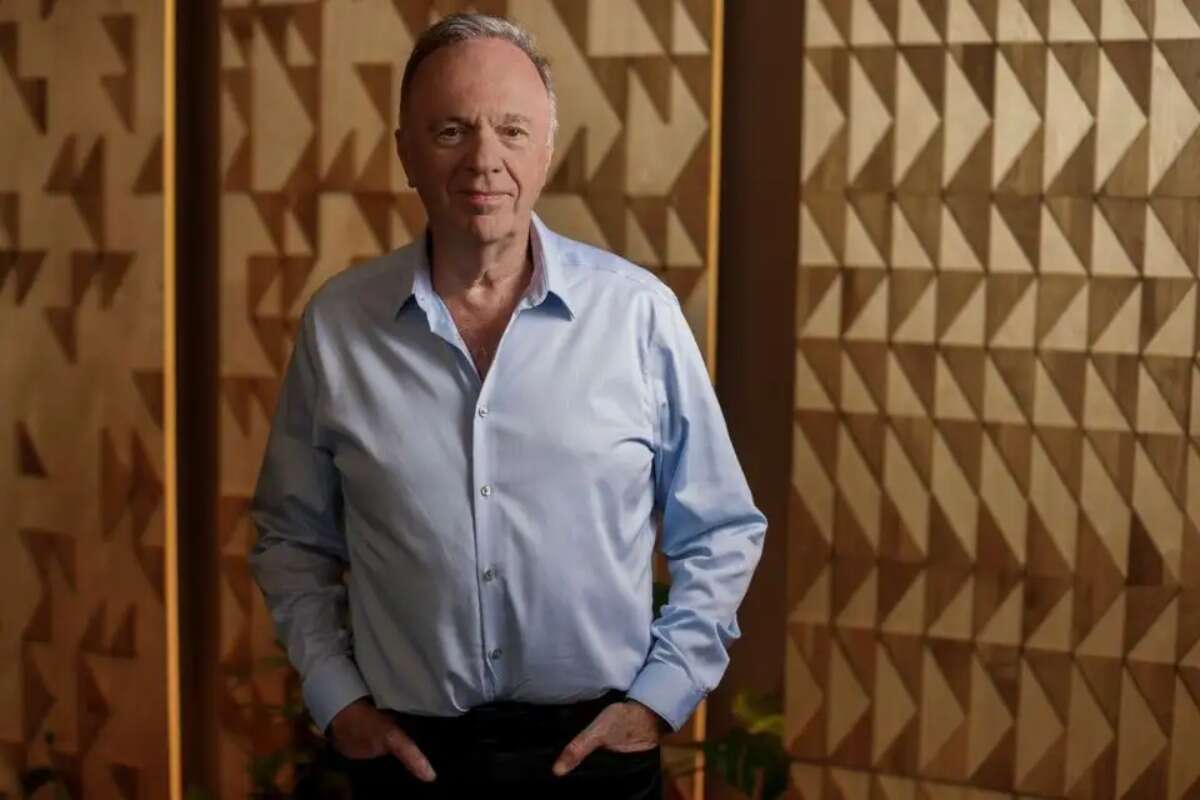
At 69, Kagan is one of the key figures driving the new industrial revolution – the artificial intelligence revolution – yet he remains clear-eyed about its implications.
Q: Against the backdrop of the remarks made by Anthropic CEO Dario Amodei regarding the dangers of AI and the fear of losing control over the technology – do you believe the solution is to slow the pace of development?
"Safety and security are at the top of our priorities at Nvidia. However, the assumption that we must choose between innovation and safety is incorrect. We believe it is possible and necessary to advance innovation – through responsible development and without compromising on safety and security.

"Artificial intelligence has enormous potential to drive economic growth and build a better future for humanity. Slowing the pace of development is not the solution. The right path is to continue advancing, and simultaneously invest in research, testing, and the implementation of appropriate defense mechanisms, so we can tap the technology's massive potential in a safe and responsible manner."
Q: What is your opinion on the X post by Jacob Coxon, a former senior researcher at Anthropic, who said, "The people building AI earnestly believe that it could kill us all by the end of the decade"?
"Concerns and warnings raised by researchers must be taken seriously. However, this is a far-reaching claim, which is not based on data or scientific research. Safety and security must guide the way we develop artificial intelligence, but they must not become a tool for creating fear and prevent the enormous benefits of the technology."
Q: How do you think the state should treat this technology??
"AI must be treated as critical infrastructure, similar to electricity and the internet. You cannot imagine a home in the Western world today without power or internet, and the same goes for AI. We must leverage AI in all aspects of life in Israel, and build an entire AI economy here."
As part of the work plan he outlined for the State of Israel in the AI sector, Kagan focused on fundamentally reshaping the education system and academia to be AI-driven. He also highlighted the establishment of a national artificial intelligence enterprise spanning of thousands of graphics processing units, alongside investments across all five layers of AI – energy, chips, infrastructure, models, and applications. Kagan stressed that cooperation between the government and the industrial sector must be strengthened, and high-tech activity in Israel's disadvantaged communities must be expanded.
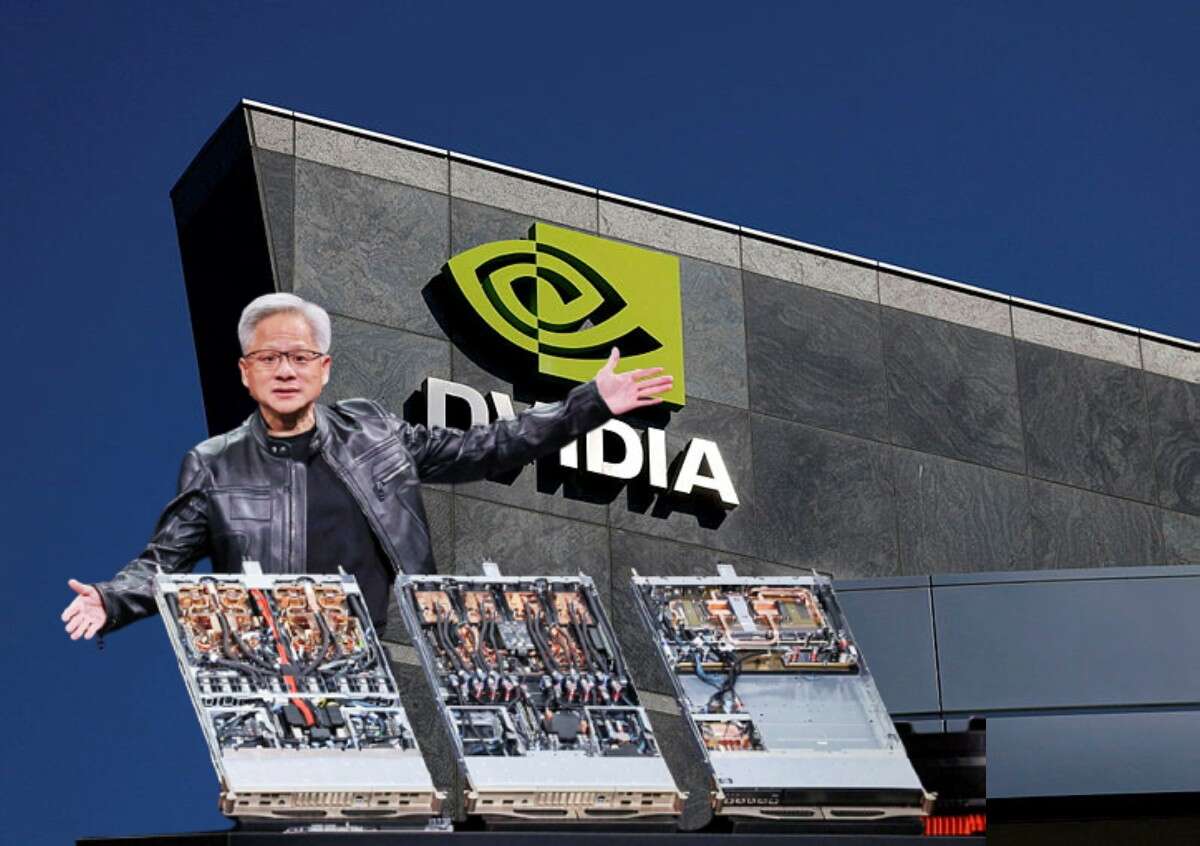
"After California we are number one."
Q: Can Israel keep pace with the US and China, and even equal them in the long term in the AI race?
"I do not think Israel is that far behind them in terms of technological development. And there are areas where we are absolute leaders, for example high-tech investments. We rank highest after California. We also lead in the cyber sector and chip development."
Q: What does Israel still fail to grasp when it comes to the technological race?
"We are pros when it comes to research. When it comes to implementing the technology and turning it into a way of life – we need to bridge the gap."
Q: What can the State of Israel learn from Nvidia's organizational culture?
"If human motivation ranges between fear and passion, then Nvidia is the company closest to passion. No one has to fear getting fired, because they do not fire people. At our company, if you messed up professionally, it means you learned."