The war with Iran has caused shortages in US ammunition stocks and "bottlenecks" in supply chains, according to a report by the US Department of Defense inspector general released Monday. NBC News reported on the findings.
It is the Defense Department inspector general's first public report on the war, which began on Feb. 28. The congressionally mandated report covers the period from the start of the war through June 30.
According to the report, the Pentagon "is working to streamline procurement processes and production lead times, and to stockpile critical materials, components, and selected munitions to respond rapidly to a contingency."
US War Secretary Pete Hegseth has previously denied reports that the US is nearing an ammunition shortage. President Donald Trump has also said the US is producing more advanced weapons than ever before and that they are being delivered daily to American forces in the Middle East and beyond.
The report provides one of the first public government accounts of the scale of the war and the toll it has taken on the US military, State Department and other government agencies. It comes after reports of declining morale among US troops stationed in the Middle East, dwindling stocks of key weapons and extensive damage to US military and intelligence assets in the region.
Among other findings, the report provides one of the first government confirmations that Iran attacked the US Navy's main regional logistics hub in Bahrain with drones and ballistic missiles.
Billions of dollars in damage
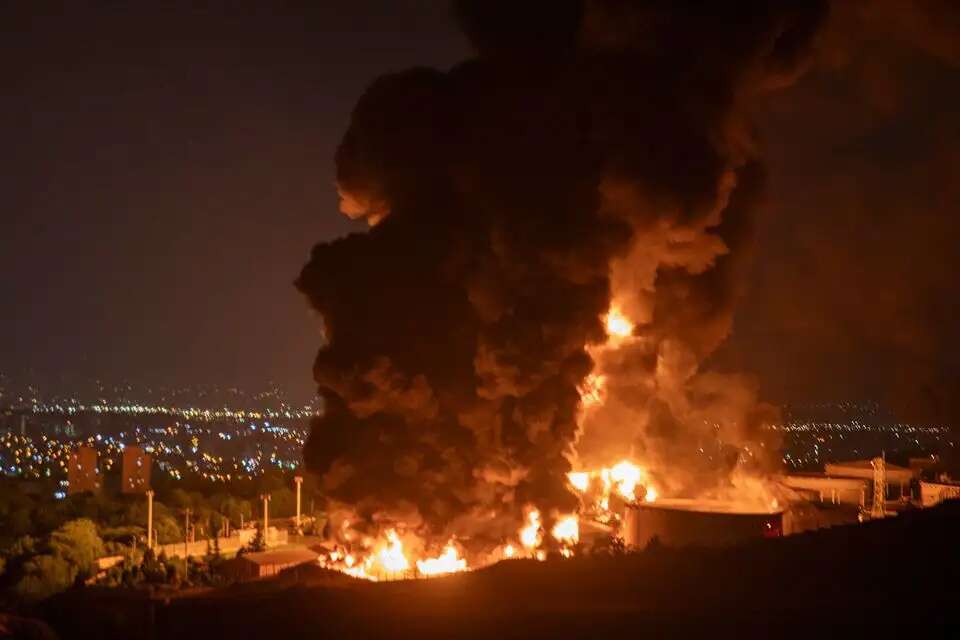
According to the report, the war with Iran cost the US about $33.4 billion in its first four months. That figure includes $22.3 billion for munitions expended, $3.7 billion in equipment losses and $7.4 billion in other expenditures, but does not include the cost of repairing damaged facilities.
NBC News reported last month, citing US officials and sources familiar with internal cost assessments, that the war's price tag could reach between $80 billion and $100 billion. The Pentagon had publicly estimated the cost at $37.5 billion at the time, but that figure did not include the cost of replacing aircraft, repairing US bases and replenishing weapons stocks.
The report also details damage to US equipment and aircraft. Four F-15E fighter jets were destroyed or significantly damaged, as was an F-35A, while an A-10 was destroyed. In addition, 12 KC-135 refueling aircraft and nine other aircraft were destroyed. According to the report, more than 30 MQ-9 drones had been destroyed by June.
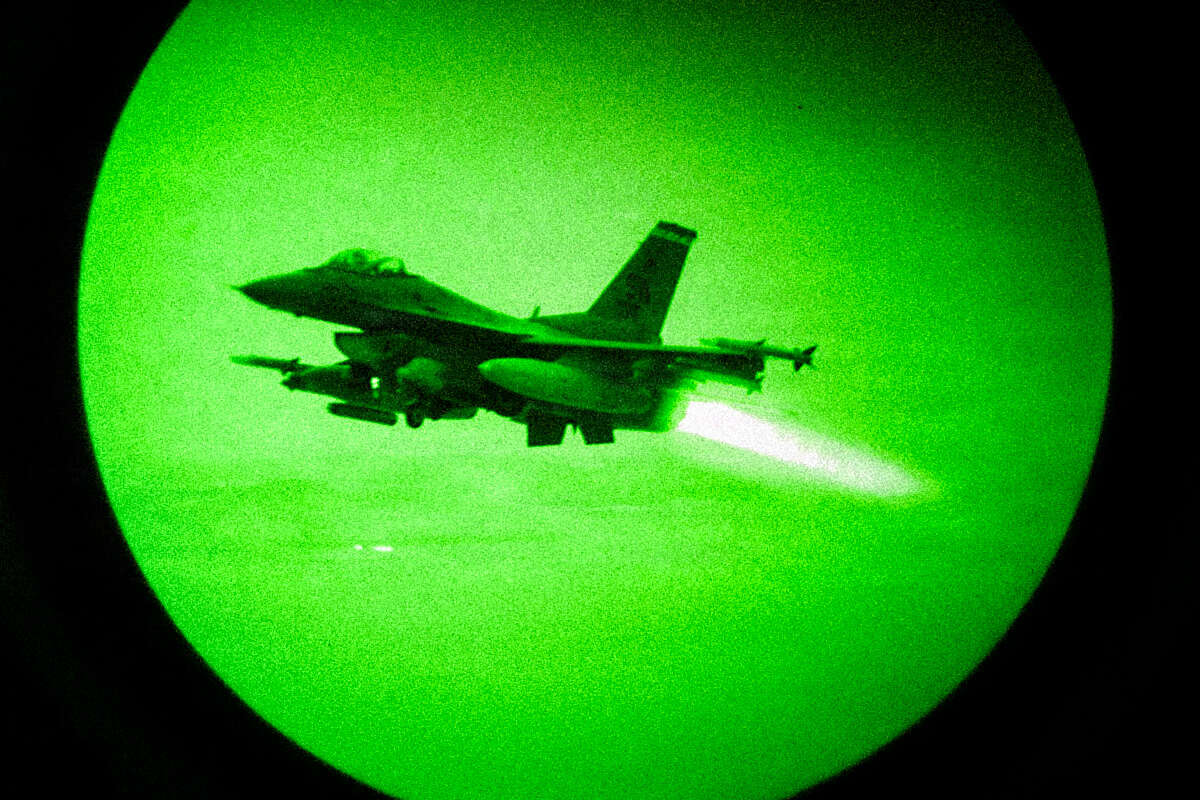
The war also led to the evacuation and relocation of more than 20,000 US military personnel and diplomats during the opening phase of the conflict and in the weeks that followed. The report also found that US forces flew as many as 5,000 sorties from bases in Europe in support of the war.
The US State Department sustained more than $208 million in damage across four countries: Iraq, Kuwait, Saudi Arabia and the United Arab Emirates. According to the report, $184 million of that amount was damage to diplomatic facilities, while an additional $25 million resulted from delays to construction projects.
Although the report does not address the morale of US troops deployed as part of the war, concerns have reportedly grown in recent weeks over conditions facing forces stationed in the Middle East, including aboard the USS Abraham Lincoln, which has been on an extended deployment. The Pentagon has announced that the carrier will be replaced and is now making its way back to its home port in San Diego.