The recent wave of hostility toward Israelis in Thailand has several causes, some of them entirely local. But one factor has received comparatively little attention: Iran's long-standing infrastructure in the country and its ability to influence local discourse through religious and educational institutions and networks of Shiite activists.
Iran's presence in Thailand extends far beyond conventional diplomacy. For years, it has invested in religious centers, ties with local clerics, and educational and academic institutions affiliated with the Shiite world and organizations such as Al-Mustafa International University. That does not mean Shiite activity in Thailand should be equated with Iranian activity. It does, however, give Tehran an infrastructure of influence, relationships and access to local audiences, an asset Iran knows how to mobilize when its interests require it.
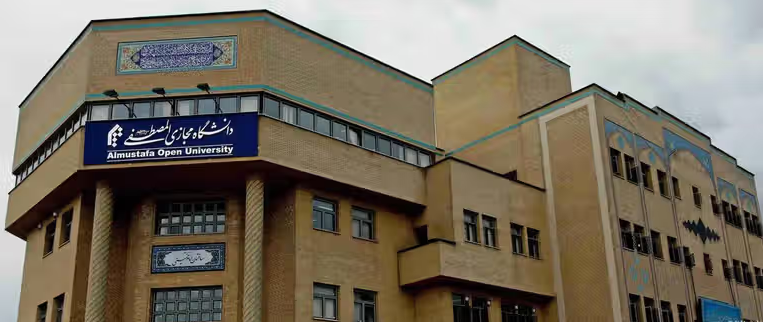
Since the Oct. 7, 2023, Hamas attack on Israel, that issue has become particularly relevant. Figures associated with Thailand's Shiite community, among them its religious leader Syed Sulaiman Husaini and people in his circle, have previously been prominent in protests outside the Israeli Embassy and in public activity surrounding the war in Gaza and efforts to secure the release of Thai hostages. His younger brother, Lerpong Sayed, also known as Syed Mubarak, is publicly associated with Al-Mustafa-linked networks and serves as president of the Thai-Iran Alumni Association.
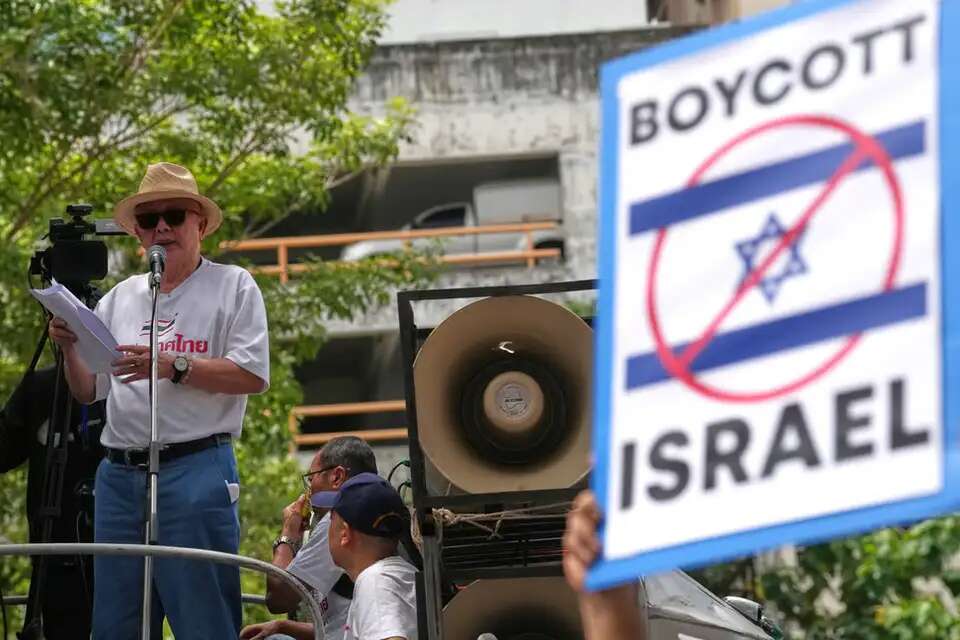
Recent events only prove how quickly opposition to Israeli policy can spill over into hostility toward a Jewish and Israeli presence. On Sept. 11, about 500 people demonstrated in Phuket near a Chabad House, and a planned Rosh Hashanah event was canceled over fears of violence. At the same time, claims were voiced that Chabad centers and "Zionist" networks were trying to take control of land in Thailand, allegations that go beyond criticism of Israeli government policy and carry conspiratorial and antisemitic overtones.
Although the main protests there were led by Thai activist Sondhi Limthongkul and local groups, they also received support on social media from those same Iran-linked circles. Iran does not have to "organize a protest" in order to benefit from one. Years spent building religious, academic and social infrastructure can create an enabling environment in which anti-Israel messages are disseminated and gain local legitimacy.
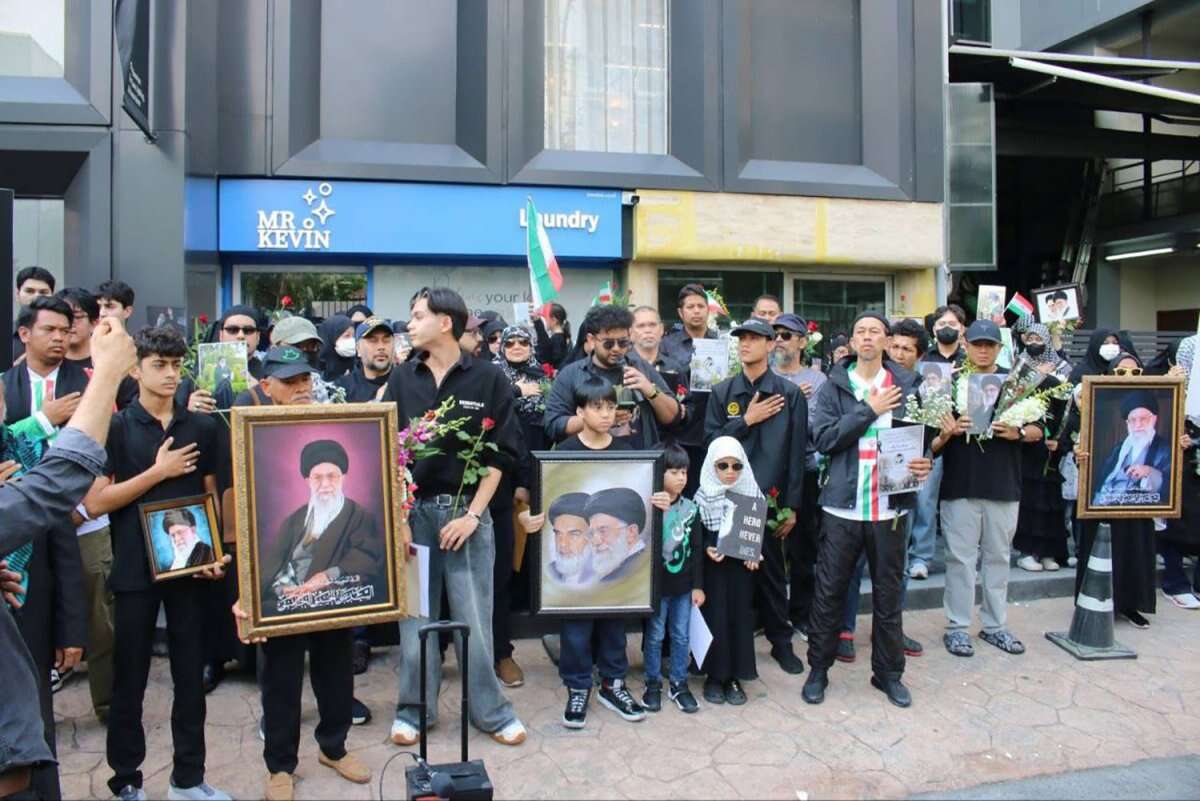
That is precisely the gap Israel has struggled to address. While Israel naturally focuses on Iran's military, intelligence and terrorist threats, Tehran has spent years investing in soft-power infrastructure: educational institutions, religious centers, alumni associations, media channels and ties with local clerics and activists. Such infrastructure is not necessarily covert or illegal, but in times of crisis it can become a significant force multiplier for the Iranian narrative.
Countering Iranian influence therefore cannot be limited to thwarting Quds Force cells. Israel and friendly countries should systematically map Iranian influence networks, expose their sources of funding and institutional ties, engage with local governments and offer alternatives in education, media and civil society. Thailand is a reminder that the confrontation with Iran is taking place not only in Tehran, Beirut or the Gulf, but also in universities, religious centers and social networks thousands of miles from the Middle East.