Saudi Crown Prince Mohammed bin Salman's planned visit to Egypt is part of a broader effort to build a new coalition against the Houthis. The United States is organizing the coalition behind the scenes, together with regional countries that take part in the US Central Command operations room.
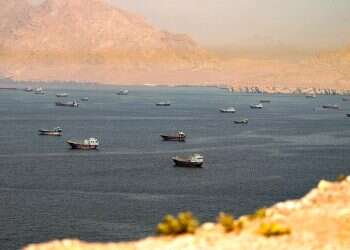
In messages conveyed by the Saudi leader to Cairo, he made clear the scale of the threat. "This is not Saudi Arabia's war alone, but the entire world's," bin Salman stressed. He also warned that "the damage this will cause is even greater than the damage caused by the closure of the Strait of Hormuz."
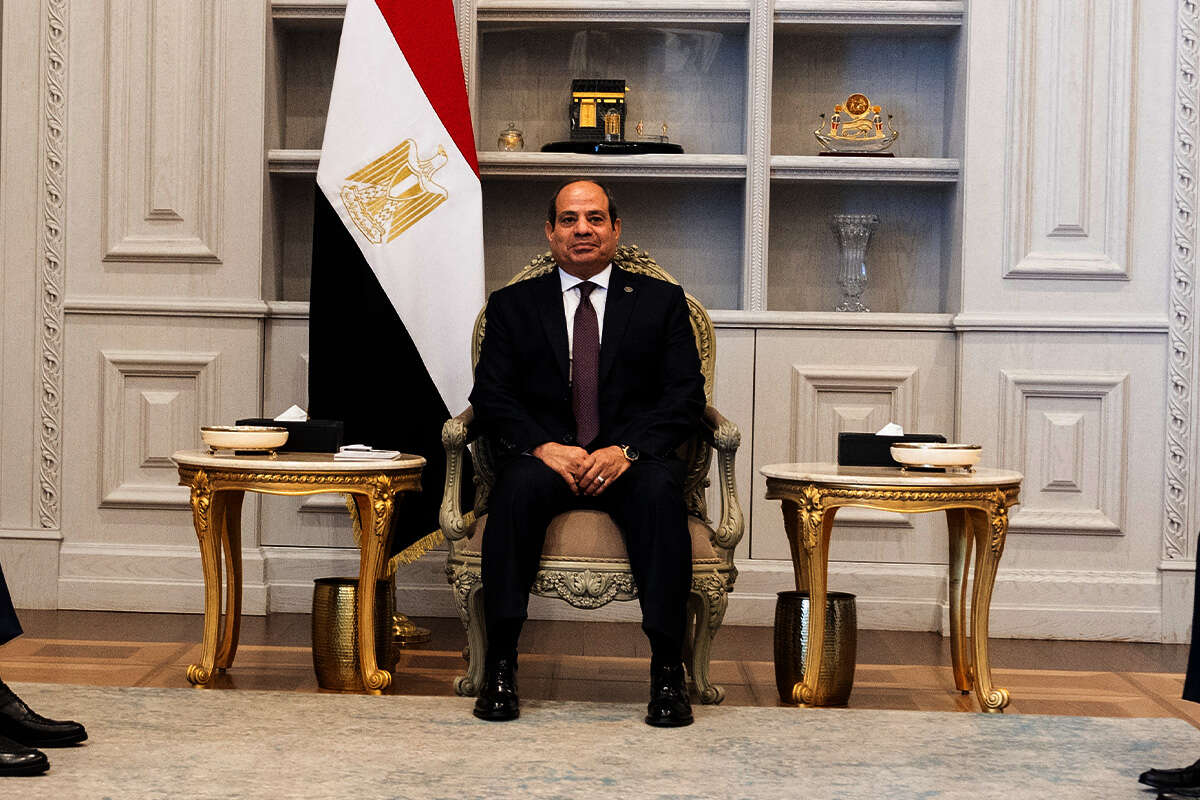
For Egypt, sharing the same predicament as Saudi Arabia is expected to draw the two countries closer and prompt President Abdel Fattah el-Sisi to act in coordination with Riyadh and with greater resolve. Sisi is well aware of the economic damage, estimated at more than $5 billion a year, that Egypt has suffered since the Houthis began attacking ships in the Bab al-Mandeb Strait in late 2023.

The secret alliance and disappointment with Turkey
The Saudi crown prince has already delivered a stark warning to countries across the region, Egypt foremost among them. "The Houthis will hold us hostage and demand ransom as well, just as Iran is demanding from ships trying to pass through Hormuz," bin Salman warned.
Gulf diplomatic officials confirmed the understanding that has emerged in Cairo to Israel Hayom. "The Egyptians support bin Salman precisely because of this problem," the officials said. They also revealed Egypt's parallel diplomatic move, adding: "That is why they, too, approached the Americans in support of the Saudi request for assistance."
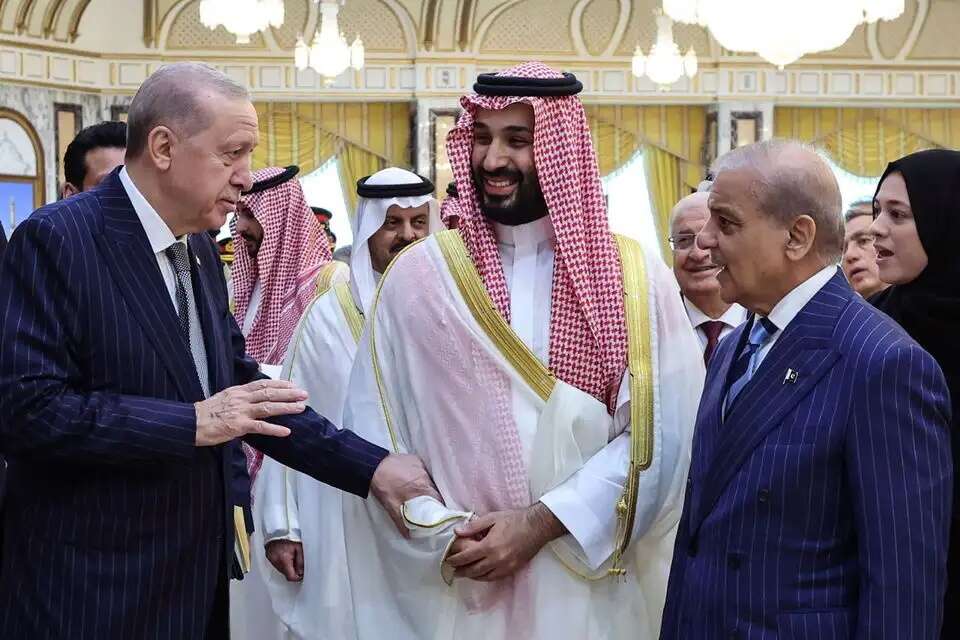
Against this backdrop, Egypt, which had been considering joining a strategic defense alliance with Saudi Arabia and Pakistan, is now likely to think twice before signing on to an alliance that could prove ineffective. Only about a month ago, Pakistan and Turkey signed a strategic defense agreement with bin Salman, but neither has intervened militarily, instead limiting itself to mediation efforts with the Houthis.
The implication is clear: The two regional powers, Turkey and Pakistan, do not want a direct confrontation with Iran. As a result, despite the signed defense pact, they are for now leaving the Saudi crown prince to confront the threat largely on his own.
Will Sisi go to war?
With Saudi Arabia and Egypt facing the same threat, bin Salman will expect greater Egyptian involvement in the crisis. He is seeking diplomatic help in recruiting allies, but above all extensive military assistance, given Egypt's enormous armed forces and advanced capabilities.
In effect, bin Salman envisions a large Arab force, led by Egypt, joining his military and defeating the Houthis. In practice, however, there is considerable doubt that Sisi would agree to embark on such an adventure, given the prospect of complicated fighting and potentially heavy casualties in a war against another Arab country.
Recent history suggests otherwise. Egypt did not take military action against the Houthis even when the damage to Suez Canal revenues was at its peak, and it is difficult to see what would change this time. Moreover, war against the Houthis would indirectly mean striking at Iran, and Egypt has so far avoided taking an unequivocal stand against Tehran.
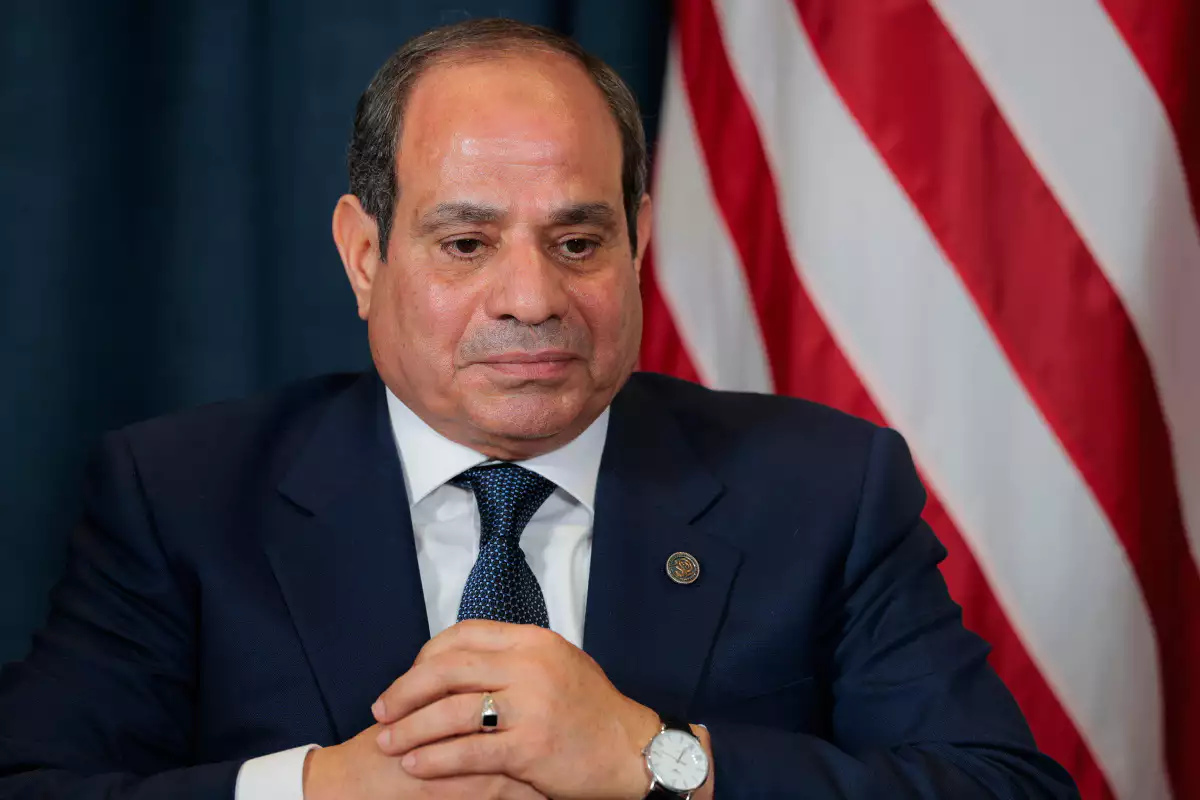
Bin Salman may offer a generous grant or loan in exchange for military assistance, but indications are that Sisi would prefer to wait for a solution proposed by the Americans. Cairo, it appears, will be in no hurry to send its forces into battle against the armed Houthi militia in Yemen.