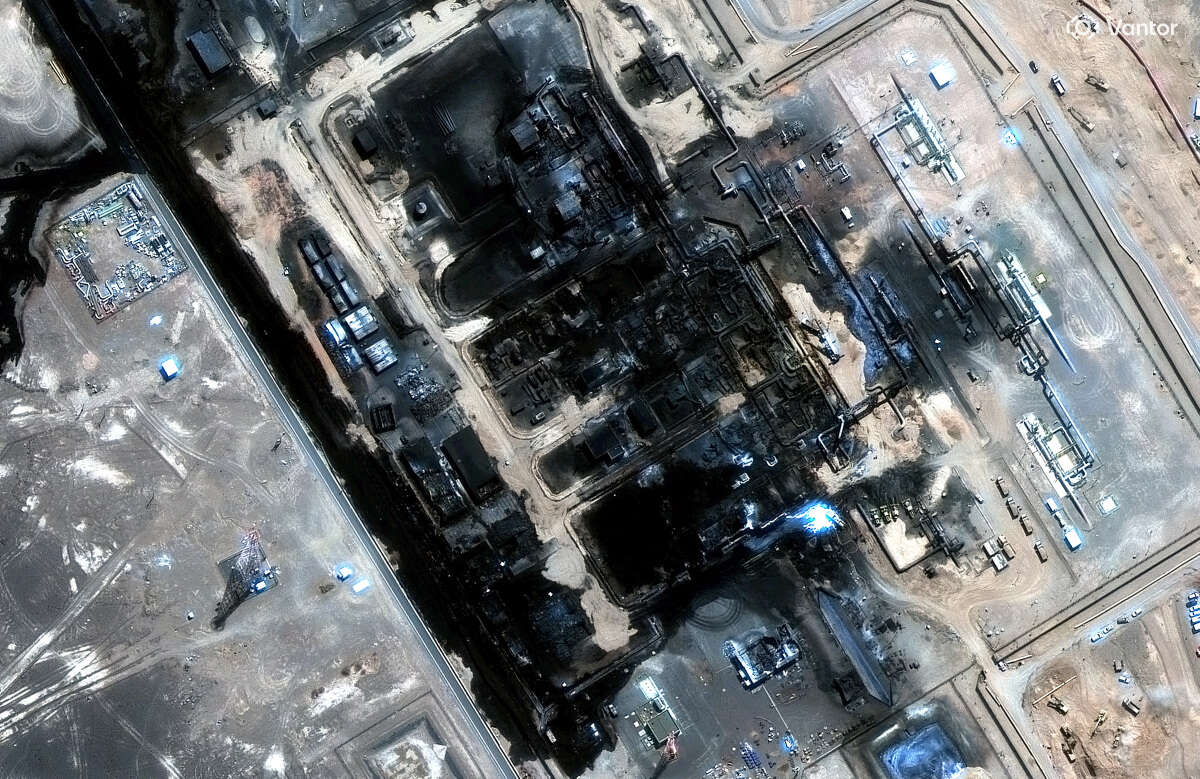
Global crude availability could plunge by 4% if a crucial Red Sea pipeline remains inoperable following recent drone strikes that targeted a key Saudi oil pipeline. Saudi Arabian oil purchasers told The Guardian that the kingdom will exhaust its export inventories in mere days without a functional conduit. Traders expressed grave concern over the potential for immediate supply chain failures.
Satellite imagery released late Sunday revealed a heavily charred pumping station along the 745-mile East-West pipeline. This visual evidence confirmed the extensive damage caused by the unmanned aerial assaults executed on Friday.
The world's leading petroleum exporter is already struggling to maintain output levels during a period of intense global inflation. Any additional reduction in Saudi oil flow will severely aggravate the international supply deficit that has driven fuel prices to record-breaking highs.
Yemen's Houthi forces have intensified their regional offensive by launching new attacks against Saudi targets and seizing Bab al-Mandab's strategic Perim island. This territorial acquisition has significantly expanded the Iranian-backed faction's dominance over the critical maritime chokepoint.
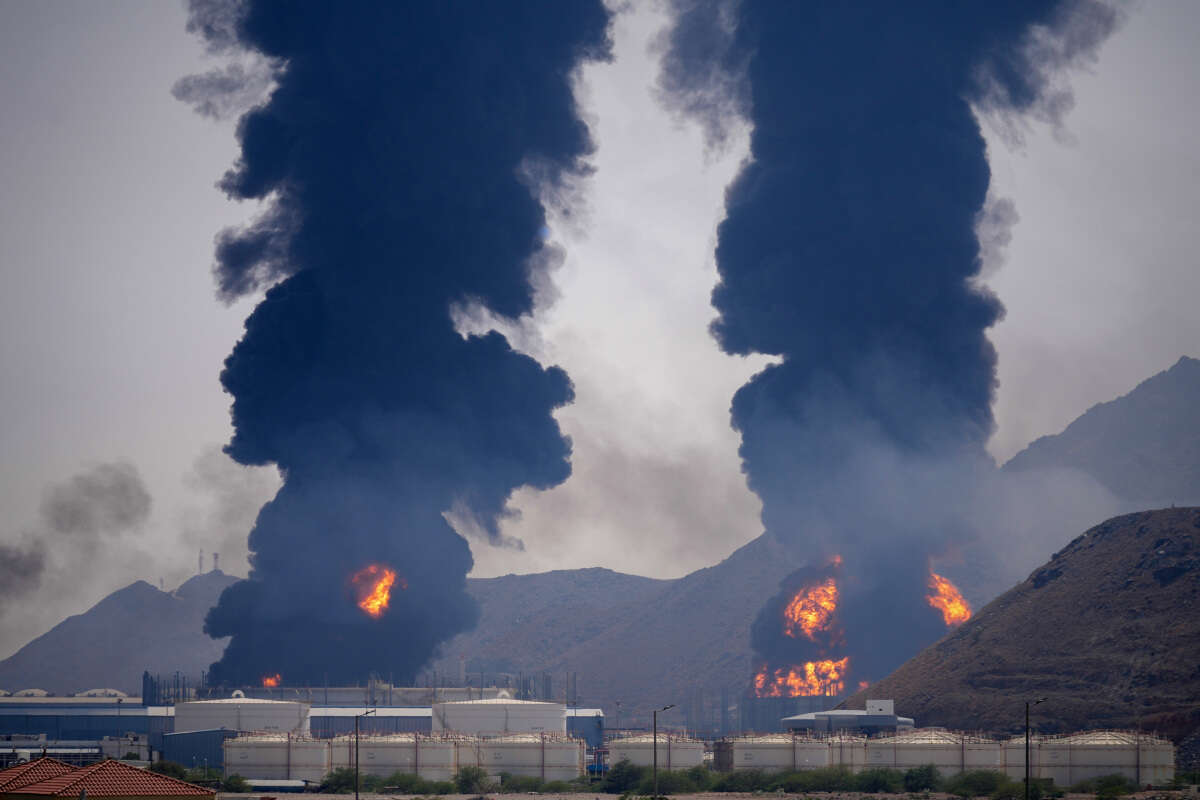
International energy markets responded aggressively to the pipeline closure on Sunday. Brent crude spiked by more than 3.4%, propelling the global benchmark past $108 per barrel for the first time since May.
Saudi authorities identified terrorists in Iraq as the culprits behind the drone bombardment. However, officials in Riyadh have refused to disclose the full extent of the structural damage or provide a timeline for the route's reactivation.
Industry insiders who communicated with Reuters offered conflicting recovery timelines for the damaged infrastructure. One expert warned that full repairs might take six weeks, while another source stated that partial operations could resume shortly while maintenance crews complete their work.
Press inquiries were directed to the Saudi energy ministry regarding the timeline for repairs. The government's media office also received requests for comment, but neither entity offered an immediate response to the public.
Riyadh has successfully utilized this massive desert conduit to bypass the crippling wartime blockade of the Strait of Hormuz for the past six months. This strategic detour allowed the kingdom to maintain its exports while neighboring nations suffered severe economic paralysis.
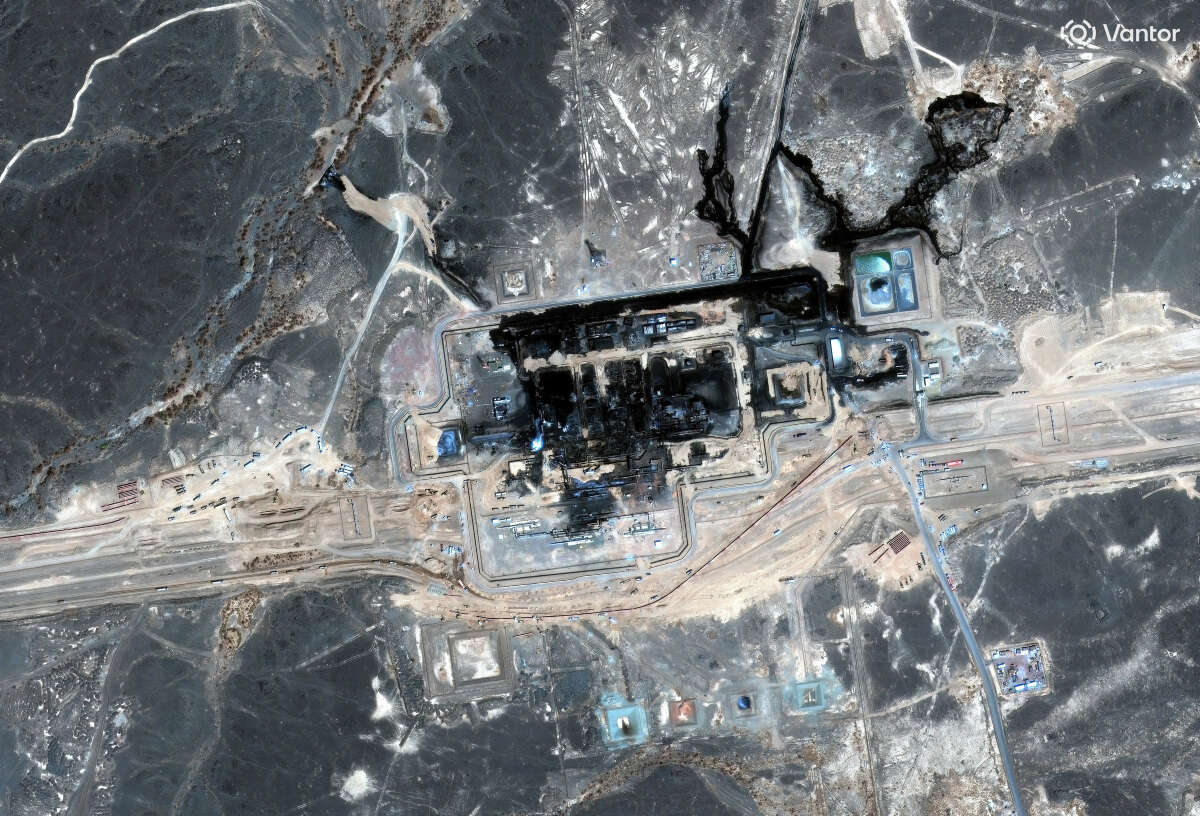
The East-West network enables Saudi Arabia to pump roughly 4 million barrels of oil daily directly to the Red Sea terminal of Yanbu. This massive logistical operation accounts for approximately 4% of the world's total petroleum supply.
Three industry insiders confirmed that the drone strikes have completely isolated the Yanbu terminal from its primary supply source. Consequently, the port only retains enough stored crude to fulfill export contracts for a maximum of five to seven days.
Saudi Arabia can temporarily depend on alternative storage facilities located at Egyptian ports to satisfy customer demand, a fourth source noted. These emergency stockpiles are currently positioned at Sidi Kerir on the Mediterranean coast and Ain Sukhna on the Red Sea.
The four industry insiders emphasized that these Egyptian facilities do not currently hold maximum capacity inventories. They warned that global buyers will face severe shortages once these secondary reserves are depleted without the East-West pipeline resuming flow.
Diplomatic efforts to resolve the maritime crisis collapsed just as oil prices surged, according to The Guardian. Oman's foreign minister, Sayyid Badr Albusaidi, confirmed late Sunday that a planned Monday summit had been indefinitely postponed "in the interests of consensus".