Chinese-sourced components are allowing Moscow to outpace Kyiv and Washington in fielding new drones and missiles, as reported Sunday by the Wall Street Journal.
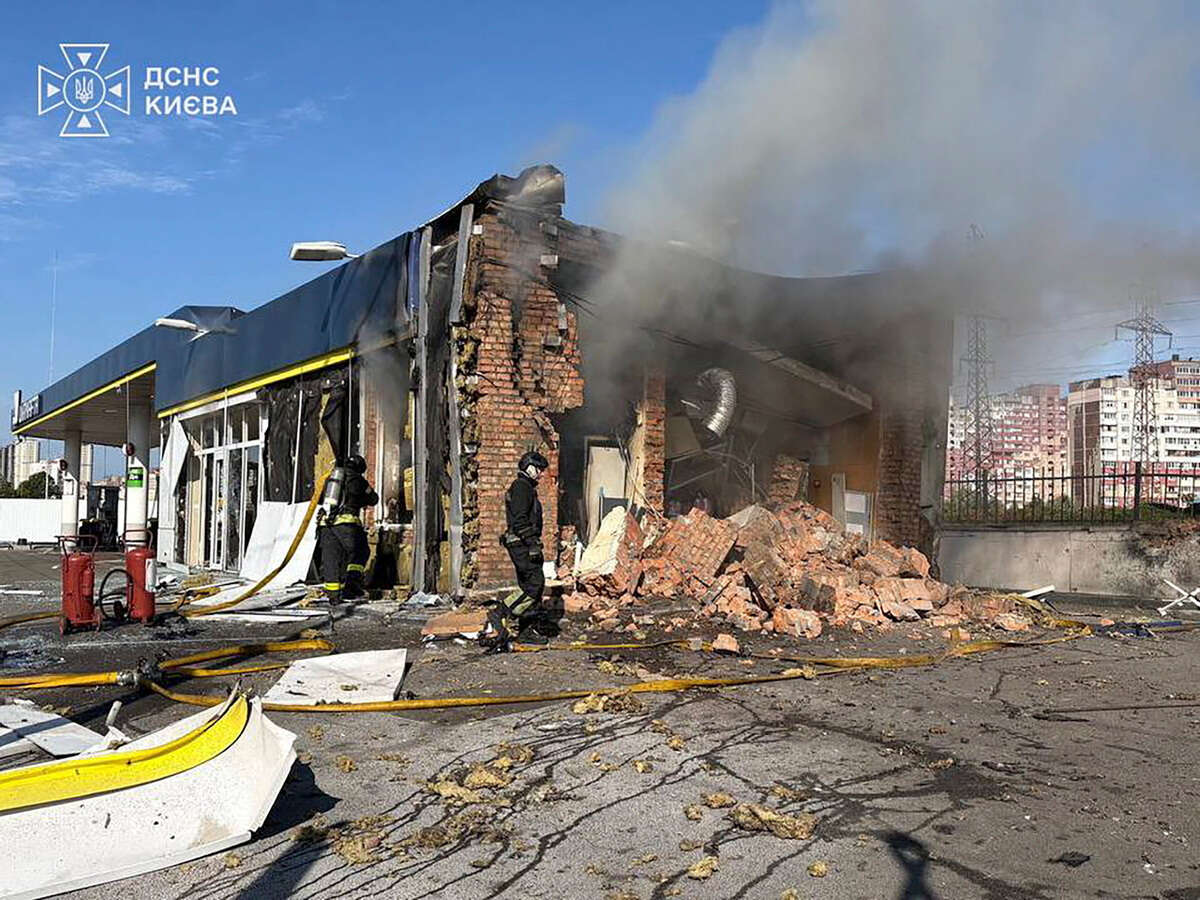
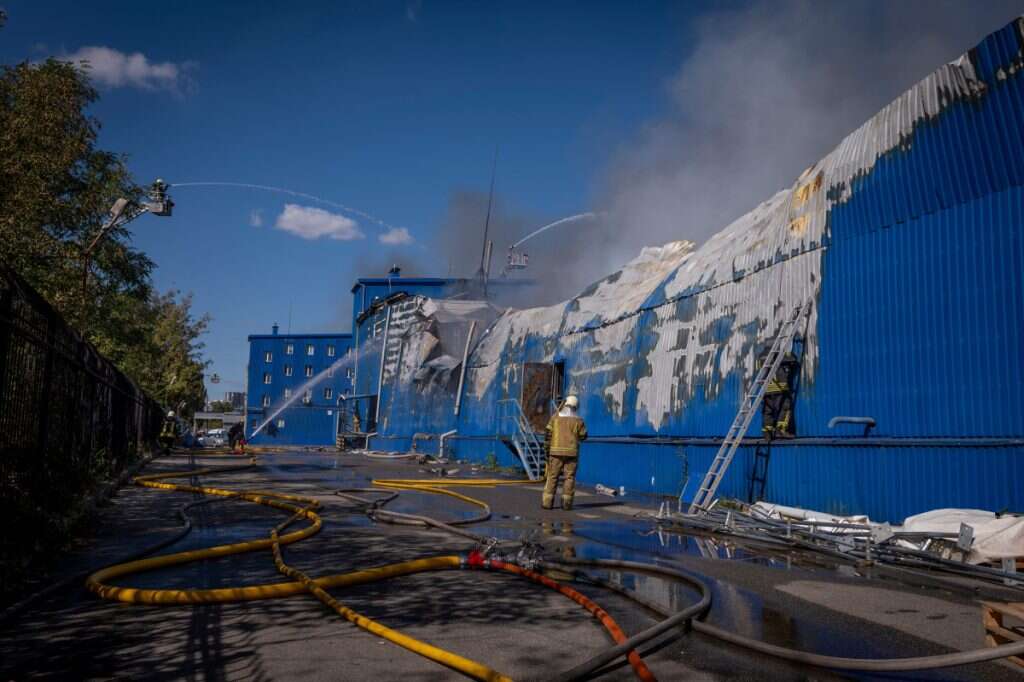
Ukraine had only just begun countering Russia's drone assault when Moscow shifted tactics again, fielding a new class of jet-powered weapons, forcing Ukraine back to the drawing board. Two systems in particular, the Geran drone and the Banderol cruise missile, are proving decisive.
These new systems demonstrate that Russia retains the industrial capacity and supply networks to keep introducing threats, the WSJ reported. Advanced electronics now give the weapons precise targeting and the ability to dodge interception. Analysts examining wreckage from downed units say the advance depended heavily on Chinese-made parts, obtained despite international sanctions barring such transfers. Beijing has responded that it maintains controls on exports of technology with potential military applications.
Analysts and diplomats told the WSJ that Russia modified older designs, tested them in combat and pushed them into mass production within roughly two years. That speed put Moscow ahead of its rivals: Ukraine fielded one of the first functional jet drones, but its manufacturing base and long-range planning remain limited. Washington and NATO allies face a similar bottleneck, with production of systems like Patriot interceptors lagging.
Kateryna Bondar, a senior fellow at the Center for Strategic and International Studies' Wadhwani AI Center in Washington, said, "Here in the West, we tend to underestimate Russia, but they can go very fast from idea and experimentation to production. This loop is something Western militaries should learn from Russia."
Ukrainian civilians and infrastructure have borne the weight of Moscow's campaign, and some weapons have strayed into NATO airspace. The implications reach Washington directly, since Russia, Iran and North Korea trade military expertise.
Despite mounting Ukrainian strikes on the Russian economy, Putin has channeled state funds into defense output at a mobilization scale unmatched since World War II. Each Banderol or Geran-5 unit costs about $100,000, versus more than $2 million for a US Tomahawk.
The Geran line began as a derivative of Iran's slower Shahed drone. Mike Monnik, chief executive of DroneSec, said the newest version, the Geran-5, resembles a missile rather than the delta-wing Shahed.
"It's essentially a poor-man's cruise missile," he said, adding, "Russia is critically dependent on Chinese components" for its drone program, using commercially available, dual-use hardware.
"Now we see that mass is a huge part of success," Bondar said.
Ukraine's predicament is compounded by Russian ballistic missiles and glide bombs, which Kyiv has almost no way to intercept. Justin Bronk, a research fellow at the Royal United Services Institute, told the WSJ, "While the drones are a problem, by far the biggest problem for Ukraine is glide bombs."
Western firms are racing to adapt. Merops, backed by former Google CEO Eric Schmidt, is developing a jet-powered interceptor, while Auterion CEO Lorenz Meier said his firm is building both propeller and jet-powered models. DroneSec estimates Chinese jet engines used in Gerans cost $45,000 or less.
Bronk said NATO should form a dedicated multinational counterdrone force, noting that, "It's not an inherently difficult problem. It's just not one we're optimized for."
Army Col. Martin O'Donnell, NATO spokesman, further said that members pledged more than $40 billion over five years for counterdrone capabilities.
Bondar also noted that Ukraine had years of warning but remained unprepared. "It was obvious quite a while ago that we'd end up here. I'm surprised everyone is surprised," she said.