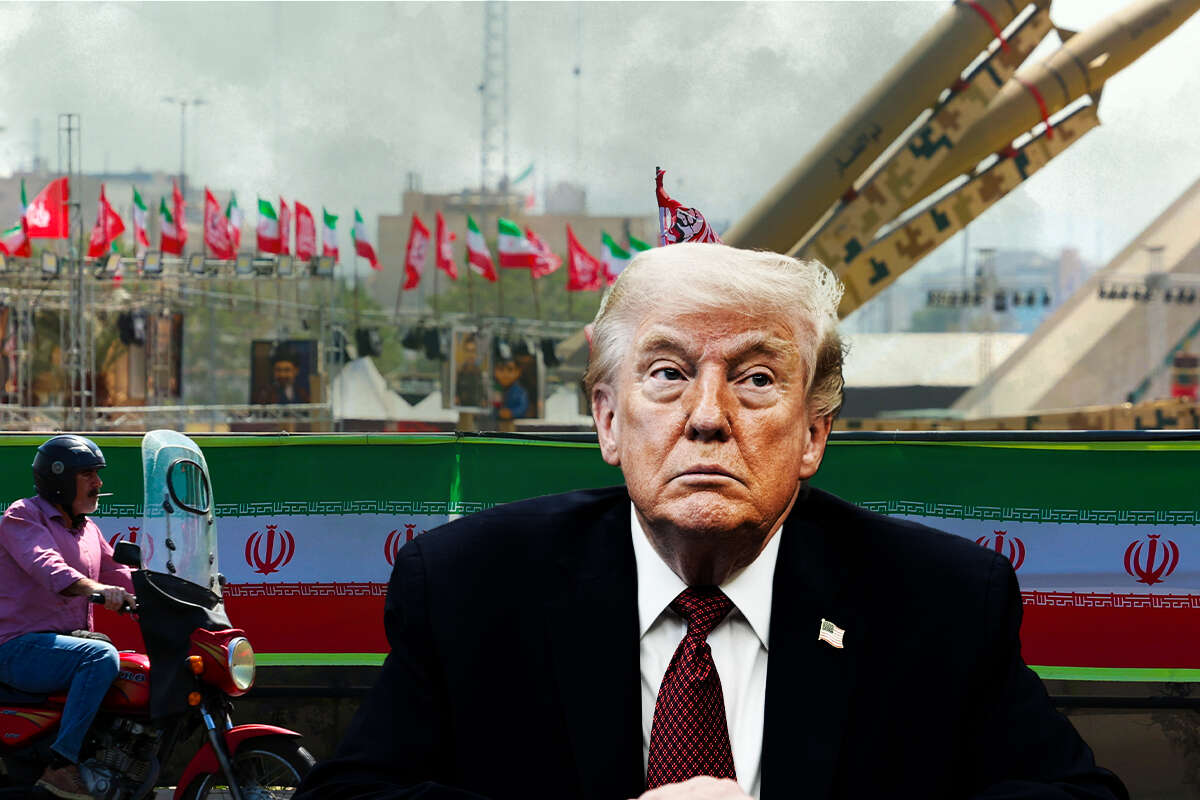
Senior White House advisers have raised with US President Donald Trump in private discussions the possibility that the war with Iran could continue through the end of his term, The Wall Street Journal reported, citing US officials. The assessments presented to the president stand in contrast to his public statements that the war is expected to end quickly.
Vice President JD Vance, Secretary of State Marco Rubio and other senior officials have discussed with Trump the possibility that Tehran could continue to withstand US pressure despite the blockade and military measures against it. According to officials, such a scenario could extend the conflict even beyond the inauguration of the next president in January 2029.
The private discussions came as Trump said Wednesday that the war would end "immediately" after the November midterm elections, "because they can't hold out any longer."
A conflict lasting for years could strain US military resources and cause prolonged disruptions to the global oil market as the United States approaches the 2028 presidential election. Vance and Rubio are considered possible presidential candidates, although neither has said whether he intends to run.
Trump wants a quick resolution but backs a prolonged blockade
Trump, who returned to the White House promising not to launch new "forever wars" in the Middle East, has said he is not concerned about the war's political cost even as it affects oil prices. The average US gasoline price stood at $4.22 a gallon Wednesday, compared with $4.01 a month earlier and $3.19 a year ago.
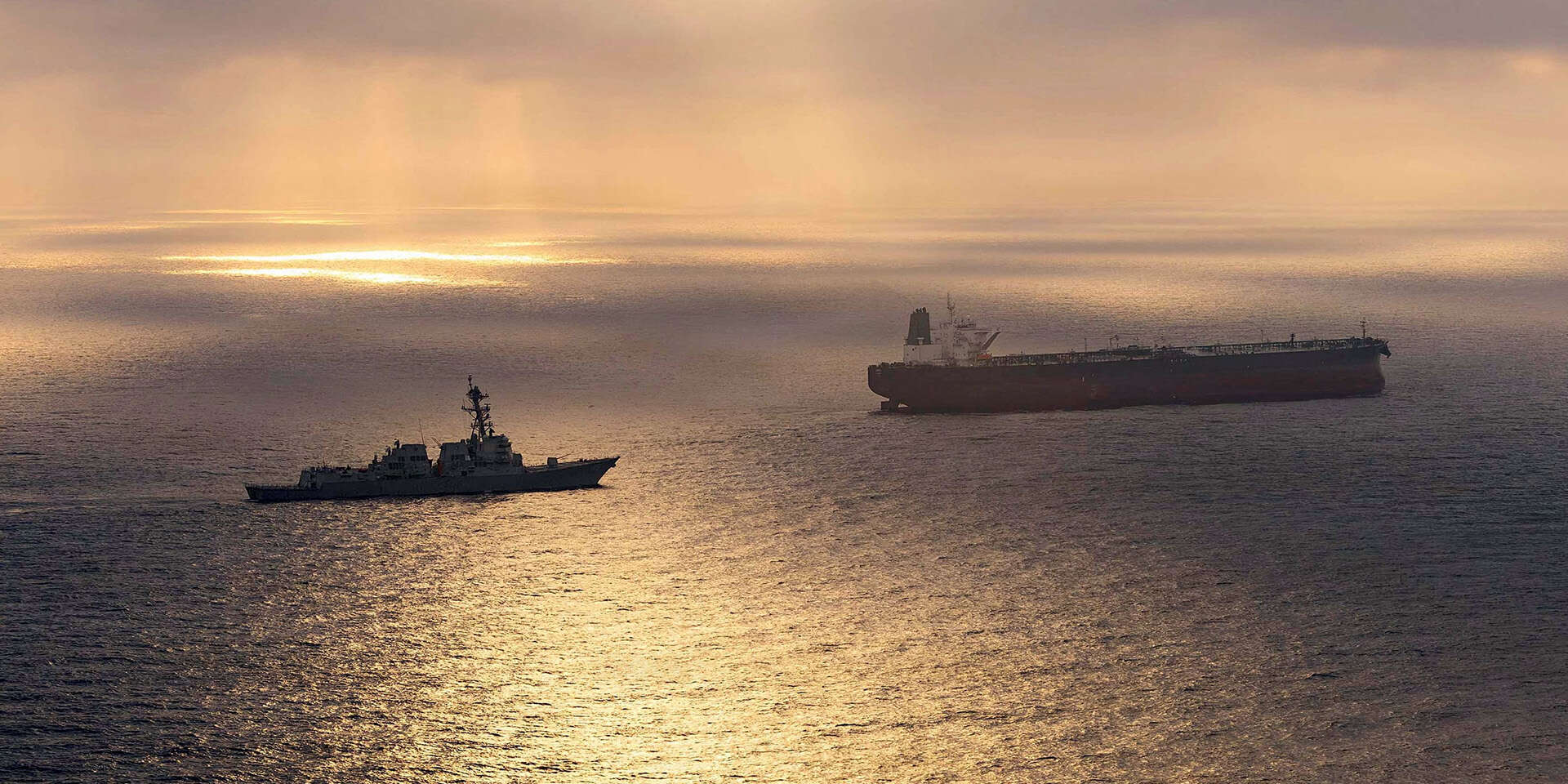
According to officials, Trump frequently discusses with advisers his desire to bring the war, now seven months old and responsible for the deaths of 18 US service members, to a swift conclusion. At the same time, he supports a long-term economic blockade, including a naval blockade and sanctions, in an effort to force the Iranian regime to dismantle its nuclear program.
Treasury Secretary Scott Bessent has presented the new strategy, dubbed "Operation Economic Outcast," as an alternative to large-scale military action.
White House spokeswoman Olivia Wiles said, "President Trump has destroyed Iran's military capabilities and is crippling what remains of its failing economy through the most powerful naval blockade in history and crushing sanctions." She added, "Only President Trump knows what he will do and when."
Last week, Vance said he would not characterize the current confrontation as a "war," despite the blockade and continuing strikes. He also declined to estimate when the fighting would end. "The United States is the only country with the capability to ensure that those oil and gas ships get to market," Vance said. "Well, what I would say is it would be irresponsible for us to write out our strategy and our timeline for an Iranian nation that simply cannot honor its commitments and cannot stop shooting at commercial ships."
Pentagon prepares for prolonged Middle East presence
Iran has responded to the pressure campaign with missile attacks, and periodic clashes in the Strait of Hormuz are expected to continue. On Tuesday, the United States destroyed five Iranian tankers after Tehran attacked several US military vessels. According to the US military, all the Iranian attacks failed, although US officials described some incidents as near misses.
Defense Secretary Pete Hegseth has already extended the deployment of some US forces in the Middle East into 2027. In addition, the Pentagon plans to extend the deployment of some air defense units in the region without setting a specific end date.
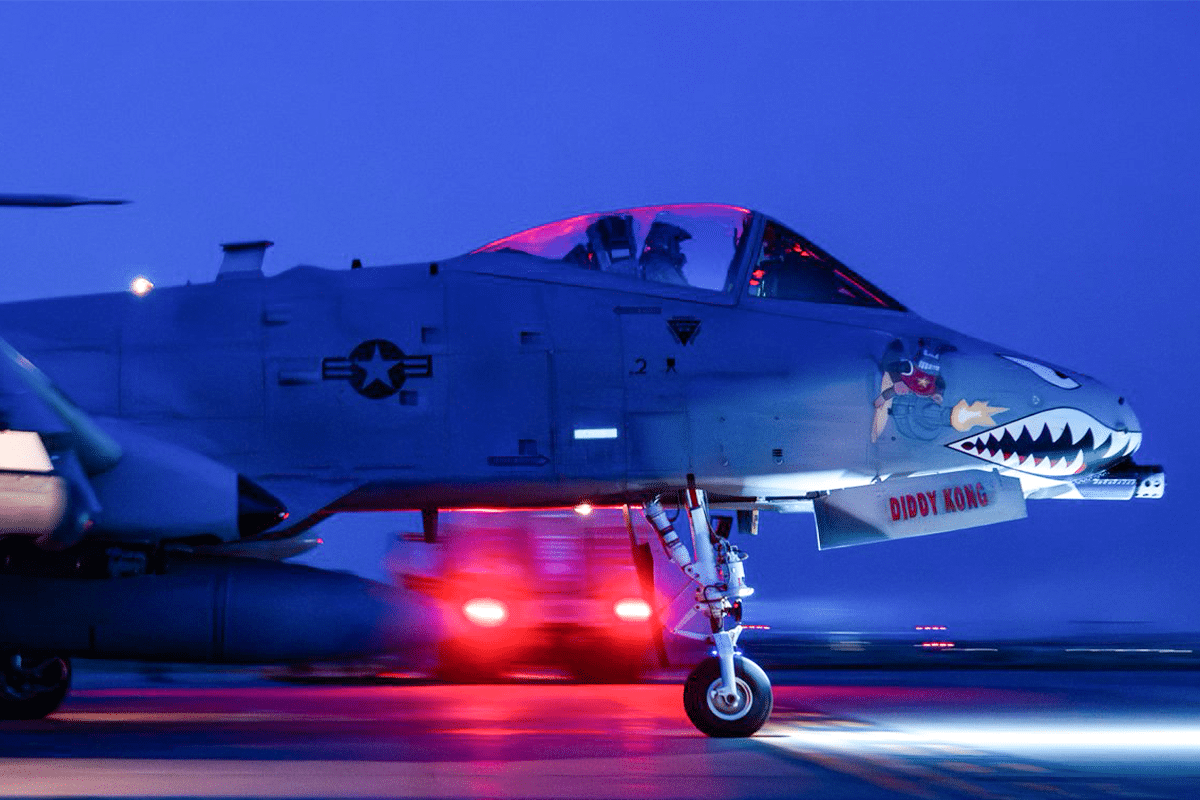
The units are part of a force of about 50,000 US troops deployed in the Gulf region and are intended, among other missions, to intercept missiles and drones. A third Marine Expeditionary Unit is also preparing to deploy to the region this fall, while the Air Force continues rotating fighter squadrons through the region.
'Blockade unlikely to produce a decisive result soon'
Experts say US preparations for a prolonged confrontation are consistent with conditions on the ground. Susan Maloney, an Iran expert and vice president and director of the Foreign Policy program at the Brookings Institution in Washington, said the US naval blockade was unlikely to produce a decisive result in the short or medium term, meaning that employing it effectively required preparing for a long-term blockade.
Even under such a scenario, she said, the chances of success remain uncertain, in part because of potential consequences including Iranian attacks on energy and economic targets in Gulf states.
One consequence of a US blockade and military presence lasting for years in the Middle East would be the diversion of resources from Europe and Asia. US officials are also concerned about the Iranian regime's ability to adapt its methods of attack and replenish its stocks of missiles, drones, radar systems and other military equipment.
Ali Vaez, Iran project director at the International Crisis Group, said Washington could continue wearing Iran down at a manageable cost, while Tehran could pass much of the burden on to its population and protect the institutions vital to the regime's survival. "Everyone is paying a price, but neither leadership is yet paying a price high enough to accept the other side's terms," he said.