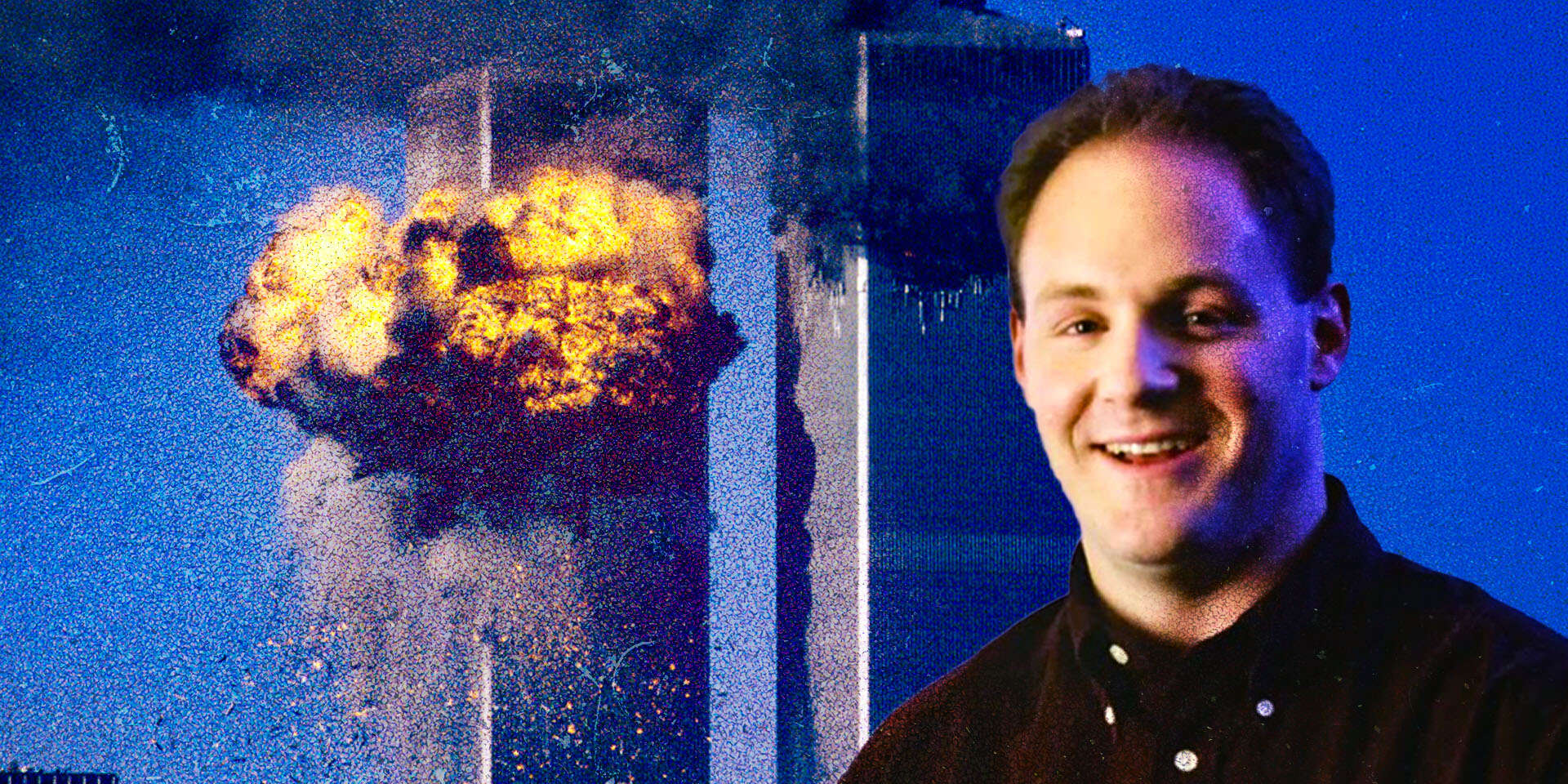
At 8:46 a.m. on Sept. 11, 2001, American Airlines Flight 11 struck the North Tower of the World Trade Center. Before the impact, Daniel Lewin, a 31-year-old Israeli American, former Sayeret Matkal officer and co-founder of internet giant Akamai Technologies, was murdered in business class. He is regarded as the first victim of the terrorist attack that changed America and the world.
Twenty-five years later, that distinction is both the reason his name remains known and the frame in which his story has become trapped. The moments in which he is believed to have tried to confront the hijackers have overshadowed the story of a teenage immigrant, a friend, husband and father, a man of physical strength and formidable intellect, and an exceptional entrepreneur.
Three of his closest friends want to bring back into focus the man who lived before that morning and to tell Israel Hayom, cautiously, what can be known and what can only be inferred about his final moments.
Lewin's family, including his parents, wife and sons, has preferred over the years to keep its grief private and avoid interviews. His three friends agreed to speak out of a desire to commemorate him, while respecting the family's privacy.
A new immigrant
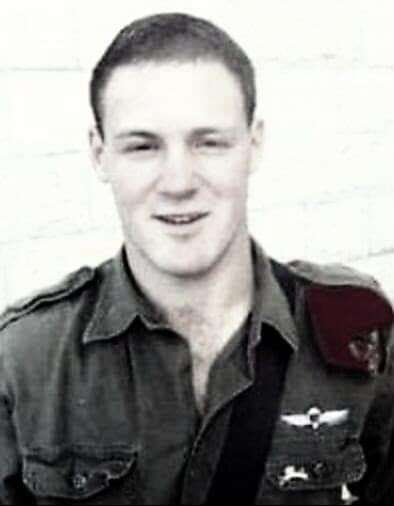
For Micha Avni, Lewin's childhood friend and now CEO of the Peninsula Group, the beginning of their friendship in Israel remains preserved in his memory as a family scene.
"We made aliyah in August of '84, and after a very long trip, we got to the absorption center in Mevaseret Zion, and the whole family just stepped in the door and fell asleep, and we must have slept for like 17 hours," Avni recalled. "And we woke to a knocking on the door, and it was Danny's mother, Peggy. She's a wonderful woman, and she said, 'I have a son who's 14 years old. I heard you have a son who's a similar age, and they have to meet each other.' So he was pretty much the first person I met arriving in Israel."
The two families had immigrated from the US only weeks apart. The boys shared the experience of being young American immigrants, traveled together to Hebrew-language classes, formed a rock band and worked at a pizzeria. "We both had the experience as American olim," Avni said. "We went to ulpan together on the bus every day with lots of other olim at the time. I never met anybody like this. He excelled at everything."
As a child in Denver, Lewin played the violin. In Israel, he took up bodybuilding and won the title of Mr. Israel for his age group. He later went on to Sayeret Matkal, the IDF's elite special forces unit, then the Technion, MIT and eventually the company he co-founded, Akamai. "Everything he did was just like larger than life," Avni said. "He had the physical, he had the energy, he had the charisma, he had the intelligence, he had all these things packed into one, and he was driven beyond belief."
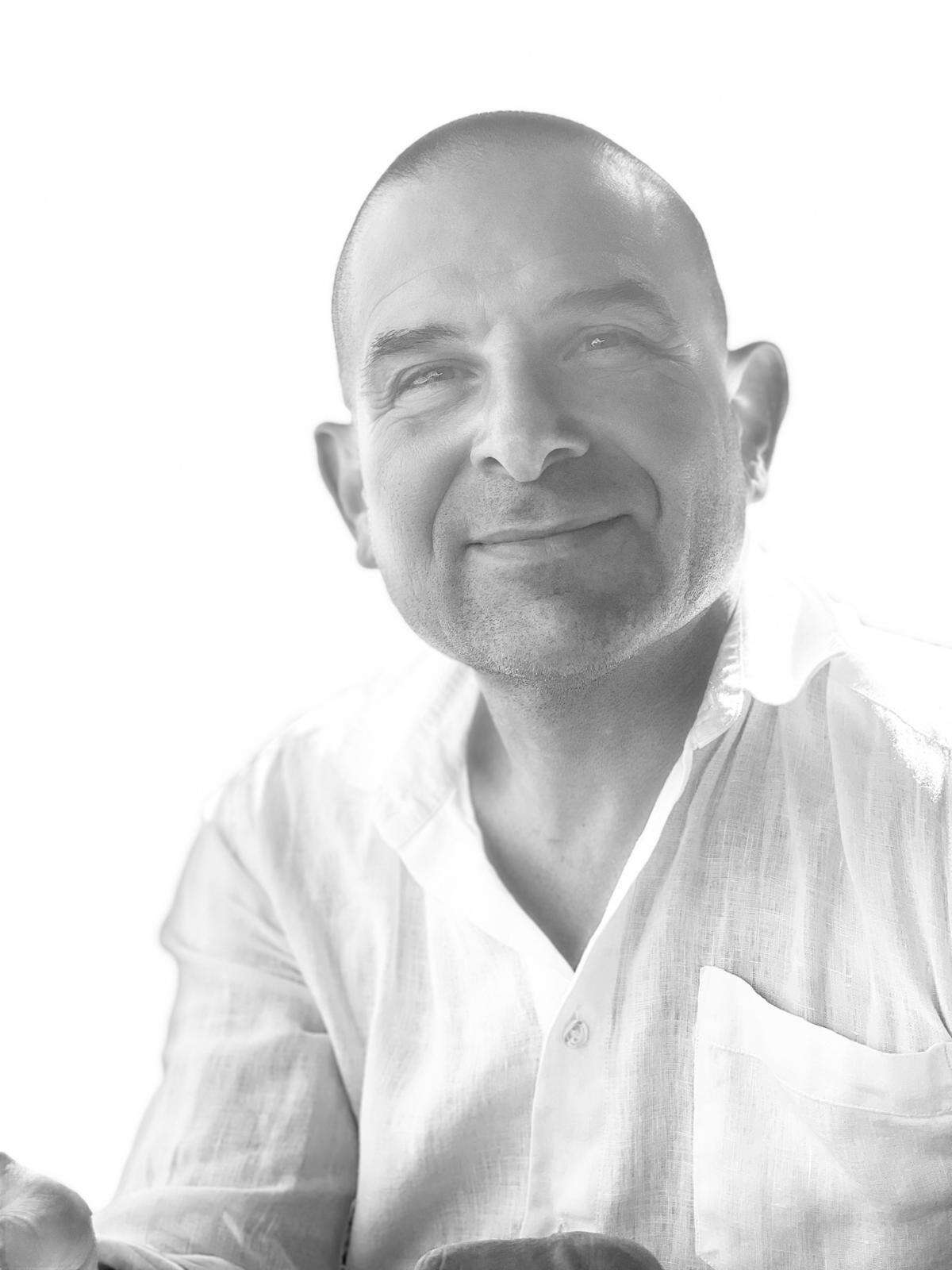
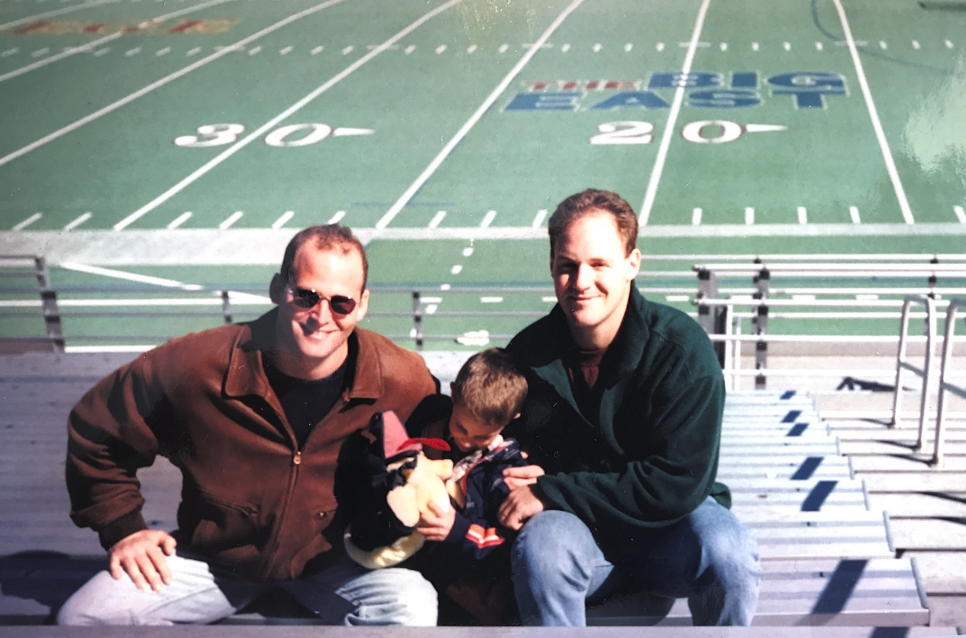
Marco Greenberg, a close friend of Lewin's and now CEO and co-founder of communications firm Thunder11, met him at Samon's Gym in Jerusalem in 1986. Greenberg was six years older, but said Danny was "more like the older brother to me, a risk taker and hero."
"I met him at Samon's Gym and he was a character of biblical proportions," Greenberg said. Their dual identities also brought them together. "Our connection was very much about our love for Israel," Greenberg said.
He added that Lewin had a gift for recognizing abilities in other people that they could not yet see in themselves. When Greenberg doubted whether he had anything to contribute to the MIT entrepreneurship competition that became the genesis of Akamai, Lewin brushed aside his concerns. "Danny made people feel good about their respective talents and good about themselves," Greenberg said. "He brought me on as Akamai's first PR agency. He enjoyed uplifting us all and genuinely wanted to savor and share the happiness."
'A guided missile'
Lior Netzer, now a senior technology and product executive and adviser, met Lewin in Sayeret Matkal. Their commanders repeatedly paired them together, including on navigation exercises that lasted for weeks. "Eventually it's like being a married couple, including the arguments married couples have," he said with a smile. Both were competitive and shared a love of technology, science and mathematics.
Within the unit, Netzer said, not everyone understood the kind of mind contained inside Lewin's enormous physique. He once saw a Sun Microsystems manual Lewin had written at age 16. According to Netzer, it was on the same level as the engineering textbooks he later used for his university degree.
At the Massachusetts Institute of Technology, one of the world's leading academic institutions in science and technology, Lewin worked under Professor Tom Leighton to develop a method that allowed websites to load faster.
The two founded Akamai in 1998, with Lewin serving as the company's chief technology officer. Akamai went public the following year, making Lewin, on paper, a billionaire almost overnight.
Netzer, who joined Akamai and headed its technical consulting operation, recalled that when engineers working with Lewin told him a particular development was impossible, Lewin would come in over the weekend and build it himself. "He wasn't capable of doing anything at half strength. In the end, it's 1% inspiration and 99% sweat, and he knew how to put in the sweat."
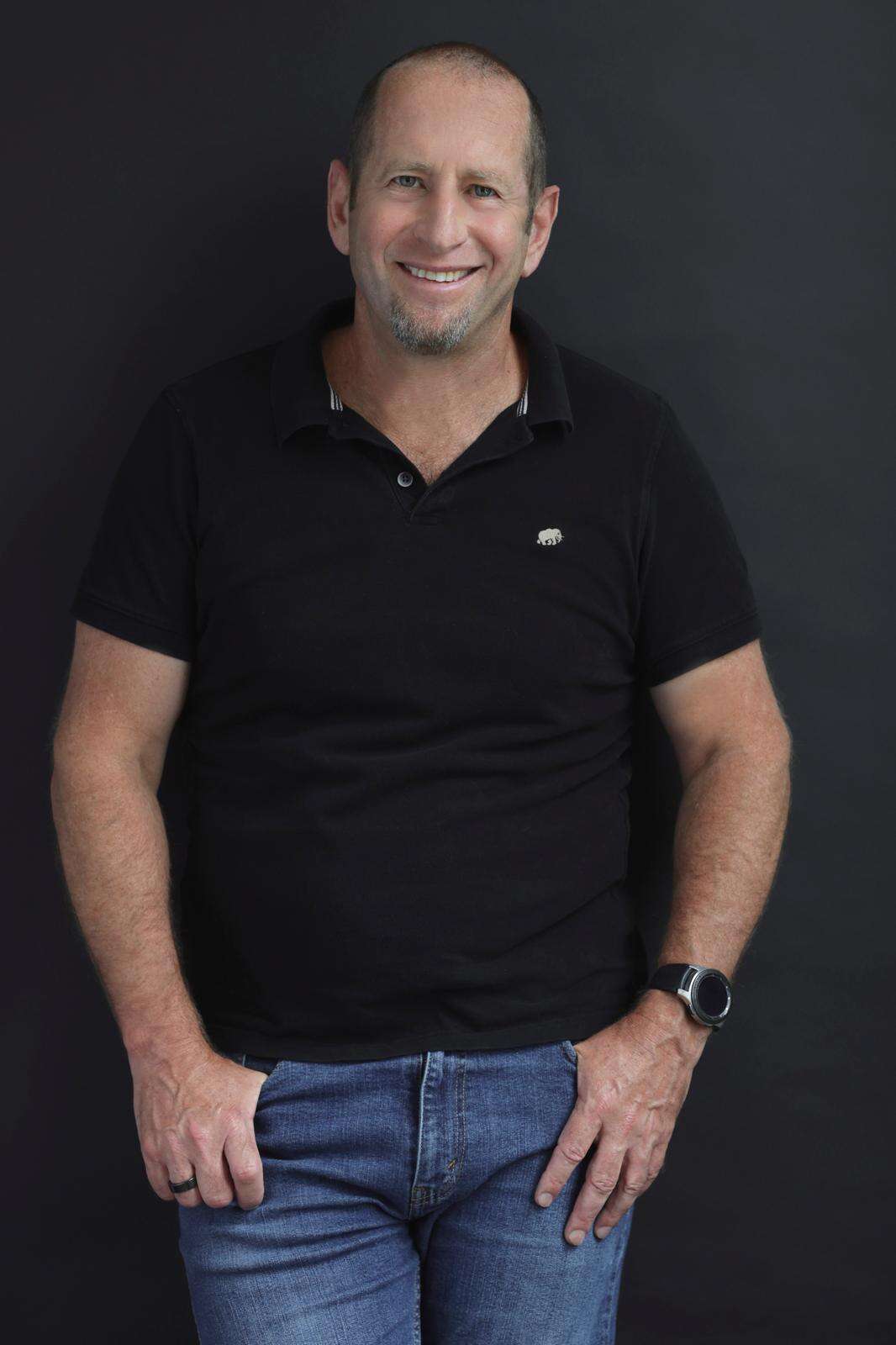
About a year before Lewin's death, he and Netzer went for a walk in Boston's Charlestown neighborhood. Lewin told Netzer that all his life he had felt like a "guided missile": He picked a target and hit it. "He understood that it had come at a personal cost," Netzer said. "It was actually during his final year that he began slowing down a little," and, in Netzer's words, started "stopping to smell the roses."
"That's one of the tragic things about his death. He had only just begun allowing himself to do that."
Alongside his professional ambitions, Avni said, Lewin was an ardent Zionist who was also thinking seriously about returning to Israel and changing its system of government. "We talked about it more than once," Avni said. "We talked about it over the years and we talked about the issues even long before he was wealthy."
During a visit to Boston in 2000, Avni pressed Lewin on when he planned to come back. Lewin's answer, Avni recalled, was unequivocal. "I can spend hundreds of millions of dollars. The only way to change the system is to get an absolute majority in the Knesset so you can start changing the structural problems that we have."
Lewin thought he needed another year or two. "What's the next challenge? Not to build another company. It's to fix the country," Avni said. "He was a hardcore Zionist. I mean, the country meant everything to him."
Avni is convinced Lewin would have followed through. "I'm sure he would have done it. That was his DNA. And that was the trajectory. And he had the ability to do it." Beyond the enormous personal loss, Avni said, Lewin's death was "really a terrible, terrible loss for the country."
Flight 11, Sept. 11
Lewin was seated in 9B, in the row directly behind hijackers Mohamed Atta and Abdulaziz al-Omari. The 9/11 Commission concluded that he was stabbed by one of the hijackers, probably Satam al-Suqami, who was seated directly behind him. A flight attendant reported in real time that a passenger near the front of the aircraft had had his throat cut, while another reported that someone had been stabbed in business class. Investigative records placed the stabbing victim in seat 9B.
Over the years, a narrative took hold that Lewin had tried to fight the hijackers. The 9/11 Commission itself was more cautious: "He may have made an attempt to stop the hijackers in front of him, not realizing that another was sitting behind him."
Netzer almost boarded the flight himself. A week or two earlier, Lewin had invited him to join the trip to Los Angeles and ride motorcycles there. Netzer declined because he did not want to leave the team he was managing.
On Sept. 11, he was working from Israel. During a business call, a colleague in New York told him that a plane had hit the towers. When Netzer turned on the television and saw the second impact, he initially thought he was watching a replay. Later, Akamai's president informed employees that Lewin was believed to have been aboard Flight 11.
Even 25 years later, Netzer is careful to draw a line between what is known and what is conjecture. "Everything, of course, is speculation," he said. In his assessment, Lewin noticed something unusual happening near the cockpit and reacted instinctively. "I don't know whether he tried to hit them, grab them or push them back."
Netzer stressed that the attackers had the element of surprise and that no one knows exactly what Lewin saw. "But Danny couldn't see a situation where he could do something and not react. That fit his character in every possible way."
When memory becomes a battlefield
Greenberg said that in the eulogy he delivered at MIT about a week after the attacks, he described Lewin as "the first fatality of the first war of the 21st century." Over the years, he became uncomfortable with Lewin being remembered almost exclusively as a victim. "That was the last word to describe him."
What troubles him more is how remembrance of Sept. 11 has moved from a national cause toward something increasingly viewed through a political lens. "If it wasn't for 'anniversary journalism' commemorating the 25th anniversary, no one would care," Greenberg said. "9/11 and now 10/7 are terribly out of focus for many people, especially the young. There is no silver bullet to fight disinformation, but putting a human face on the heroes of 9/11 and 10/7 is part of the steps that must be taken."
The dispute has only grown this year, around New York City Mayor Zohran Mamdani. During his mayoral campaign, Mamdani appeared in an interview with progressive streamer Hasan Piker, who said in 2019, "America deserved 9/11." More recently, Mamdani signed executive orders on 9/11 remembrance and emergency preparedness and handed one of the ceremonial signing pens to his chief counsel, Ramzi Kassem. Kassem previously represented Ahmed al-Darbi, who pleaded guilty to terrorism offenses connected to al-Qaida's 2002 bombing of the French oil tanker MV Limburg off Yemen.
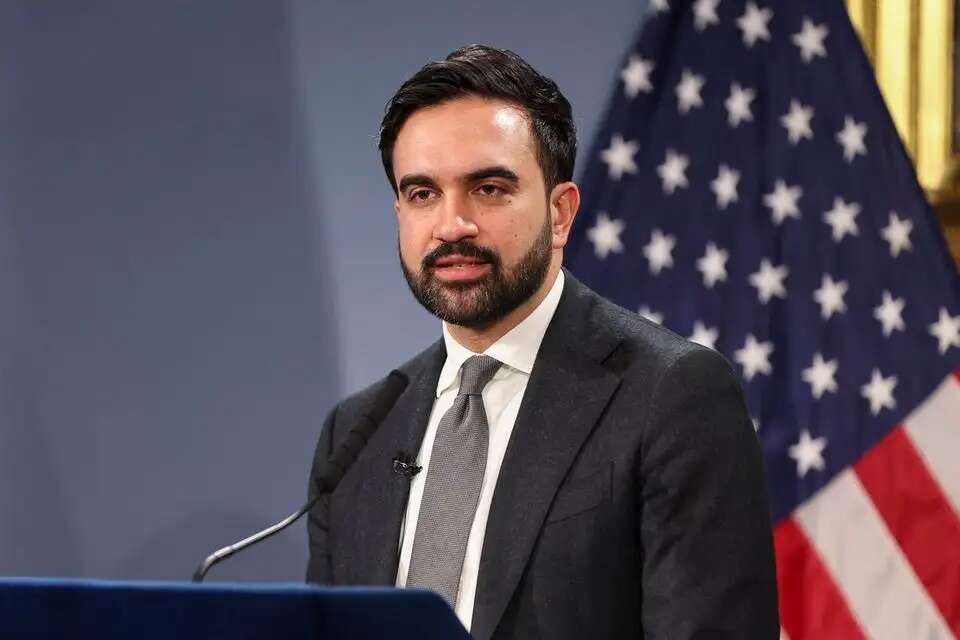
Amid the resulting controversy, some bereaved 9/11 families have called on Mamdani not to attend the memorial ceremony at Ground Zero. Greenberg sides with them. "I'm not a fan of the current mayor and I can assure you that Danny would not be either," he said. "I stand with the families of the victims who are asking him to respect their need to honor their loved ones without him."
"We missed out on someone great," Netzer concluded. "In the technology world, I wouldn't be surprised if today he were in the same category as Sam Altman, Dario Amodei or Elon Musk. He had the intellect, the work ethic and the determination. But unlike the robotic image people like that can sometimes have, Danny was full of emotion. He was very human."
'I thought I'd be back in half an hour'
Tal Shuster watched that morning unfold from the other side of a glass window. Today, she serves as co-chair of the Israeli-American Council. At the time, she was a woman in her 20s just beginning her career, only two weeks into an internship at Merrill Lynch, one of the world's largest investment firms. She was working on the 40th floor of 2 World Financial Center, next to the Twin Towers. "I arrived at around 8:30 or 8:45. Suddenly we heard the boom," she recalled.
From a window facing the towers, she saw the plane hit and debris falling. "I left everything in the office, my bag, my wallet. I thought we'd go downstairs and I'd be right back. Maybe within half an hour. We had no grasp at all of the scale of what was happening."
Shuster refused to take the elevator and walked down 40 floors with her colleagues, she had an unexpected advantage. Before Merrill Lynch, she had worked for about a year and a half at the Israeli Consulate, where she repeatedly took part in emergency drills. "It was my first job at an American company, my dream job," she said. "And suddenly, the exact thing we'd been training for at the consulate was happening in real life. I was the new employee in the department, but it was obvious to me: We're going down now. I took everyone with me."
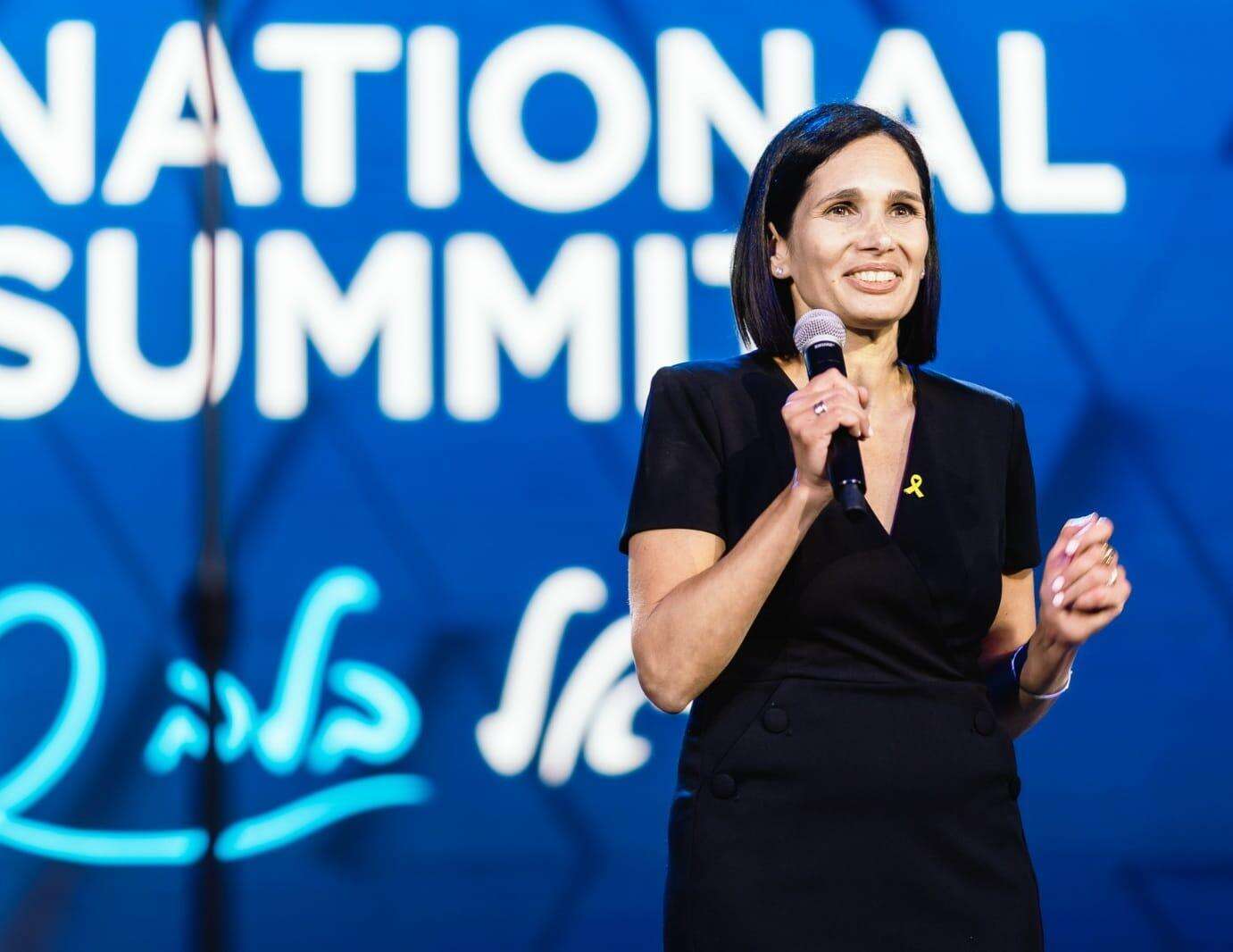
When they reached the Winter Garden, the glass atrium between the buildings, the second plane struck. "The whole place shook, all the glass. At that moment we understood that this wasn't an accident and that we were in the middle of a terrorist attack. We decided simply to run for our lives."
At Battery Park, one image stayed with her: the belongings people had thrown to the ground. "Belts, glasses, shoes, bags. People threw away everything and ran."
Several of her colleagues stayed behind in an effort to help. Shuster realized there was little she could do and began running north along the West Side. The phones were not working, while radio reports could be heard coming from cars whose doors had been left open. "That's when the fear hit. You realize you're on an island and you don't know how you're going to get off it. I wondered whether more buildings around us were about to be hit."
Around 15th Street, the group saw one of the towers collapse. Shuster managed to call her partner, now her husband. "I told him, 'I'm alive.' That's all I wanted him to know."
She was later evacuated by ferry to New Jersey, where she encountered someone from the Israeli Consulate who was stunned to see her. "You're alive? We were sure you weren't." She did not return to the office until months later, when she went back to collect her belongings. Many colleagues had moved to other offices and did not want to return.
'A point of connection between two nations'
Shuster does not describe what stayed with her as fear, but as preparedness. "It happened, and you keep going. You create and you build," she said. "But the ability to respond stayed with me. Even today, in my role in the organization, I feel a responsibility to take command, prepare the community, help and lead by example."
In addition to Lewin, four other Israelis and Israeli Americans were among those murdered: Alona Avraham, Shay Levinhar, Hagay Shefi and Leon Lebor.
But Shuster said the connection between Israel and the US goes far beyond the identities of the victims. "Sept. 11 is an enormous point of connection between the American nation and the Israeli nation," she said. "Whenever I speak with Americans about terrorism in Israel and about Oct. 7, Sept. 11 immediately comes up. Both societies understand this threat. We must not forget that."
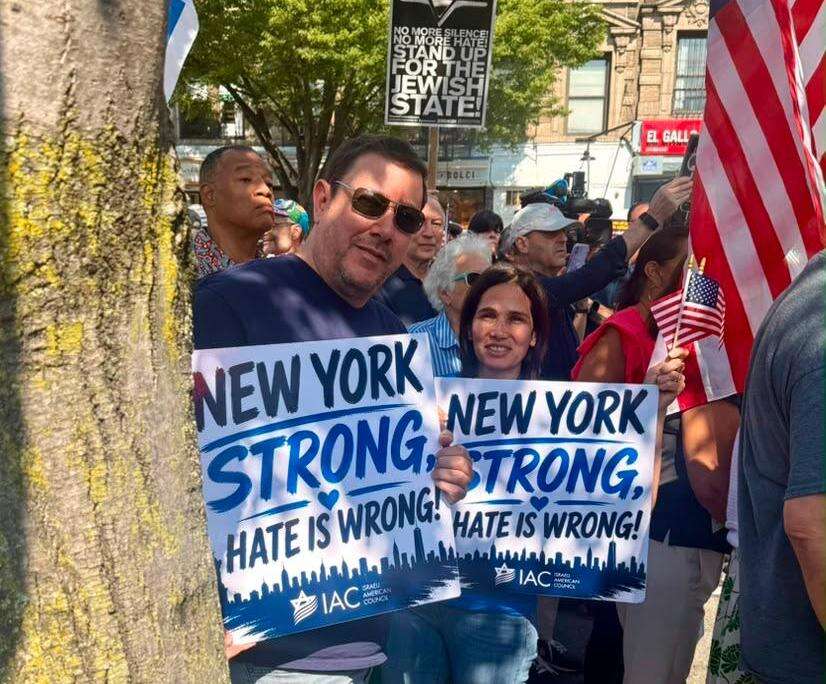
That, she said, is also at the heart of her work with the Israeli-American Council: building a strong Israeli American community and preserving the bond between the US and Israel.
Although concerned about younger people's growing distance from these events and the false information they encounter on social media, including within the Jewish and Israeli communities, she does not believe their questions should be silenced. "They have legitimate questions, and that's OK. We have to take the time, answer patiently, teach, educate and connect them, and always give them a sense of pride in their Jewish, Israeli and American identities."
Twenty-five years after leaving her belongings in the office because she was certain she would soon return, Shuster describes what remains from that morning as an ongoing obligation. "I have a mission today, and it has to be completed: to keep telling the next generation."