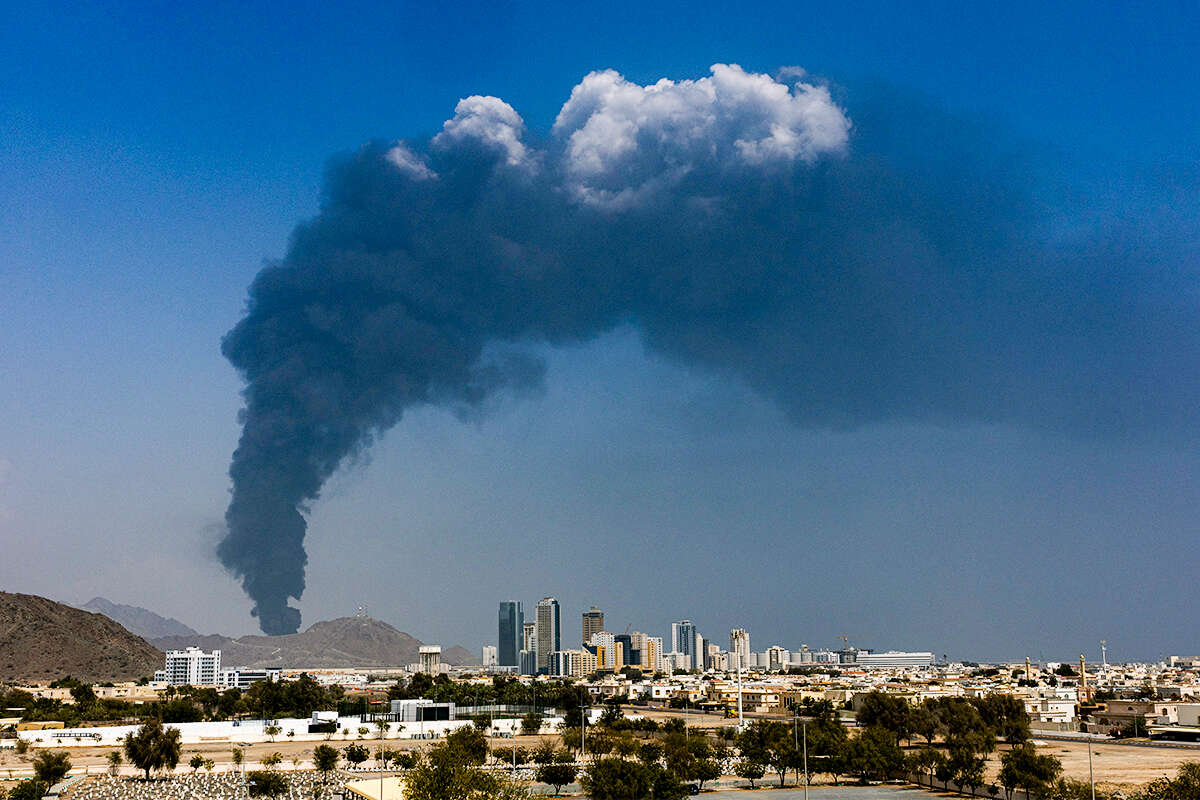
The world is watching Israel's election, and the possibilities ahead range from more wars to enormous opportunities. At the MEAD Summit held in Washington this week, it was possible to step away for a moment from Israel's political maelstrom and engage in substantive discussions on regional and domestic issues, underscoring that the events now unfolding are far more consequential than where one Knesset member or another ends up on a party slate.
From discussions about the future of the Gaza Strip to a focus on talks between Israel and Lebanon, Iran's future is also woven into the debate, particularly the possibility of one day transforming Israel's bitter enemy from a financier of terrorism into a friend, after the regime falls, of course.
The fourth annual MEAD Summit is being held in Washington, DC, with representatives from 24 countries, the broadest participation since the forum was founded. This is not a media conference or a public event. It is a closed forum bringing together people who actually make decisions, including senior government, defense and intelligence officials from across the region. This year, 12 Middle Eastern countries sent representatives, including states that do not have diplomatic relations with Israel. Those attending MEAD either influence decision-makers or are decision-makers themselves.
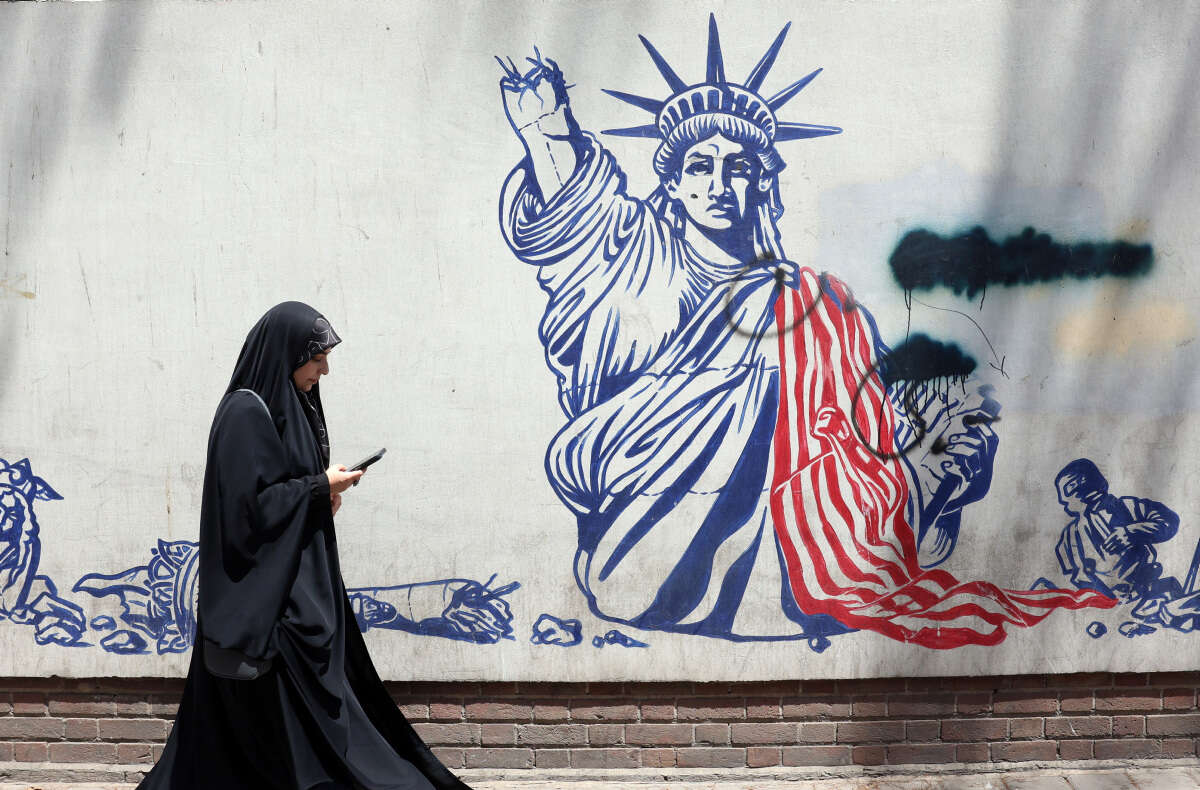
Anyone who tracks terrorist activity around the world will find an Iranian fingerprint in one arena after another. This goes beyond the terrorism carried out by proxies surrounding Israel. Tehran pours vast sums into activities that divert Iranian citizens' money away from infrastructure and development and toward undermining security around the world. That is why the US administration's stated objective remains preventing the regime in Tehran from acquiring nuclear weapons, while continued American economic pressure also raises, less explicitly, the prospect of the regime's eventual downfall.
A shared threat
Alongside the warnings issued in Israel this week by Prime Minister Benjamin Netanyahu and Defense Minister Israel Katz about the consequences if Iran chooses to attack Israel, it is currently other countries in the region that are bearing the brunt of repeated Iranian attacks.
In this sense, and this was also evident in the discussions at MEAD, Iran's attacks across the region, combined with Israel's outstretched hand, are not only bringing the Iranian regime's end closer but also drawing these countries closer to Israel in the face of a shared threat.
As things now stand, the government expected to be sworn in here in roughly two months could find itself with far more opportunities to expand the Abraham Accords than existed in the past. Speakers at the summit hinted that such possibilities may be far closer than they appear. The question is who in Israel will reap the rewards and receive the call to sign new agreements at the White House.
The opportunities are not limited to Arab countries that may be geographically or diplomatically distant. They also extend to two immediate and active fronts, Gaza and Lebanon, with Lebanon perhaps coming first.
But in the arenas closest to home, dreams are harder to sell because the consequences for Israelis living near the borders are immediate and tangible. While the Board of Peace is working intensively to advance the process of disarming Hamas, with a longer-term vision of deradicalizing Gaza's population, the reality on the ground is that Hamas continues to control the civilian population in the small area of the Strip still under its rule and continues trying to disrupt and attack Israel Defense Forces troops deployed there.
The process is supposed to begin with Israel stopping military operations in Gaza for two weeks. But it cannot naturally move forward as long as Hamas continues to hold weapons. For now, therefore, the disarmament process appears unable to advance unless Hamas somehow takes the first step and lays down its arms.
Lebanon: Security first
There are also those in both the US and Israel who are keeping the idea of emigration from Gaza on the table. Israel's desire, shared by the Board of Peace, to uproot hatred of Jews among Palestinians in the Strip appears to be a project that could take generations. In the meantime, Israel cannot entrust its security to foreign hands, not even to forces commanded by an American general.
Alongside the ambitious plans and vast sums awaiting implementation in Gaza, all contingent on the initial condition of disarmament, the talks between Israel and Lebanon appear to offer a more realistic prospect of a breakthrough. They are being built in part on a relationship of trust between Israeli Ambassador to the US Yechiel Leiter and Lebanese Ambassador to the US Nada Hamadeh Moawad.
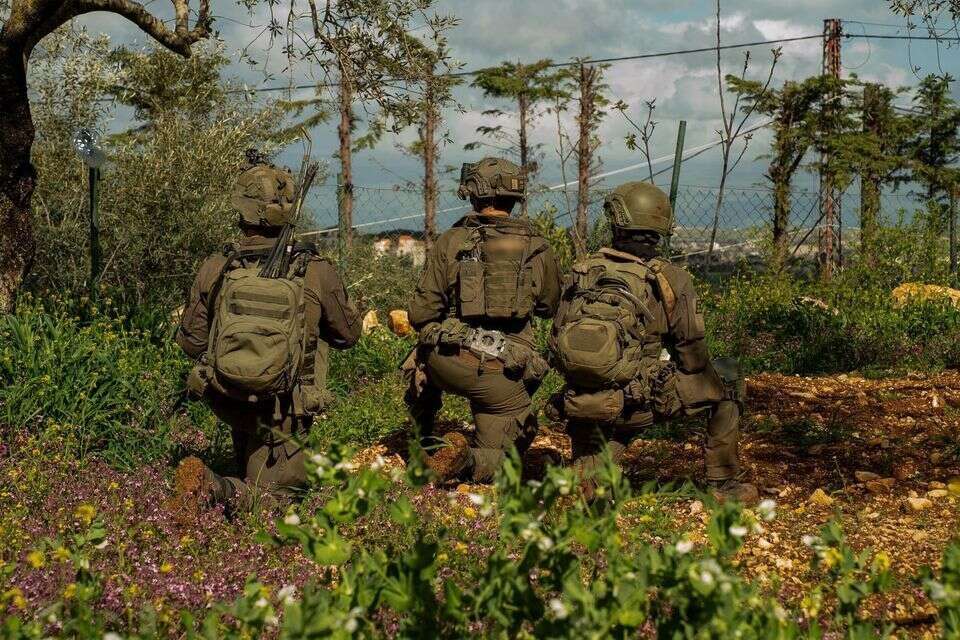
Alongside the IDF's daily operations against Hezbollah terrorist infrastructure, the MEAD discussions also raised the need for Western countries to intensify sanctions targeting money flowing to Iranian proxies and Hezbollah. The organization has found increasingly sophisticated ways to gain access to funds used for terrorism.
Defeating Hezbollah also depends on the Lebanese government's ability to cooperate with Israel, not only in distant talks in Washington but by lending legitimacy to IDF operations on the ground. Here, however, there is a significant disagreement. The Lebanese government assesses that while IDF operations do strip Hezbollah of military capabilities, they simultaneously push parts of the population back into the terrorist organization's arms.
The formula Israel should offer is security first, with diplomacy built on top of it. Israel's ability to maintain that delicate balance depends on the support of an Israeli public that sobered up after Oct. 7, 2023.