A 9-year-old boy is hospitalized in serious condition at Rambam Health Care Campus in Haifa with a severe brain infection and is sedated and ventilated in the intensive care unit, the Health Ministry said Sunday.
According to the ministry, a sample was sent overnight between Saturday and Sunday to the Health Ministry's central laboratories, which confirmed the leading suspicion that the boy became ill after being infected with the rare amoeba Naegleria fowleri.
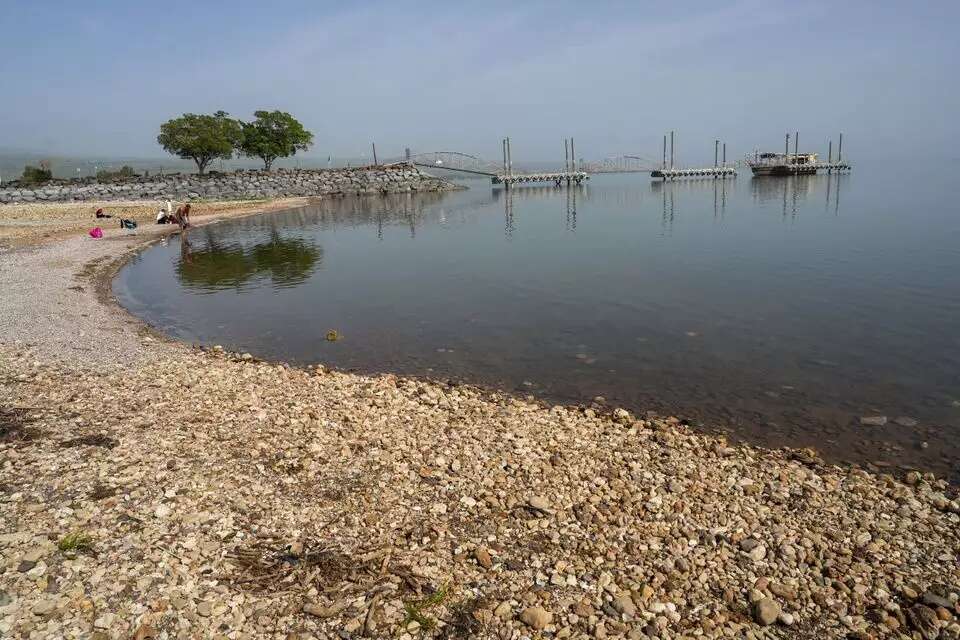
A preliminary epidemiological investigation found that the boy had swum at Kursi Beach on the eastern shore of the Sea of Galilee about a week before symptoms appeared and led to his hospitalization.
The Health Ministry said the disease is extremely rare and has a high mortality rate. Fewer than 500 cases have been reported worldwide to date, while two infections were diagnosed in the US over the past year and three cases have been identified in Israel in recent years.
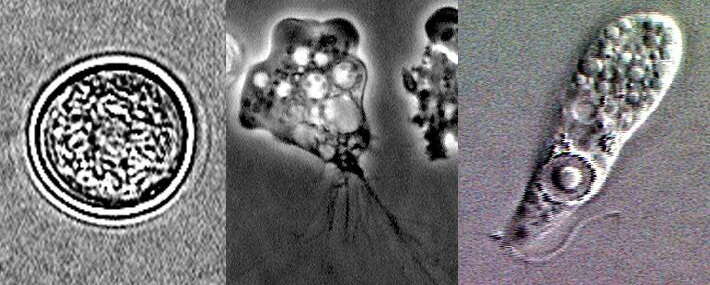
The microscopic amoeba is found mainly in warm freshwater. Infection occurs only when water containing the organism enters through the nose and travels to the brain. The ministry stressed that the disease is not contracted by drinking contaminated water and cannot spread from person to person.
Following the case, the Health Ministry reiterated its recommendations for precautions when swimming in warm freshwater, chiefly avoiding getting water in the nose as much as possible, particularly when diving, jumping into the water or submerging the head. Swimmers can also use nose clips or hold their noses closed. The ministry also recommended avoiding digging into or stirring up sediment in shallow water, where higher concentrations of the amoeba may be present.
Regarding symptoms, the ministry said that anyone who has recently been exposed to warm freshwater and suddenly develops a fever, severe headache, nausea or vomiting should pay close attention to their condition. If those symptoms are followed by a stiff neck, confusion, unusual drowsiness or changes in consciousness, urgent medical attention is required, and the patient or family should explicitly tell medical staff about the freshwater exposure, as the disease can progress extremely rapidly.