Senior US military officials have warned War Secretary Pete Hegseth that continuing large-scale military operations against Iran is unsustainable and could weaken the United States' ability to confront threats in other theaters, including on US soil, The Washington Post reported, citing people familiar with the matter.
The warnings were included in an assessment prepared for Hegseth and contained in the Aug. 14 edition of the Secretary of Defense Orders Book, according to people familiar with the document. Hegseth was briefed by the heads of the US Army, Navy and Air Force, as well as commanders responsible for US operations in Europe, Asia and Latin America.
The Secretary of Defense Orders Book is typically produced twice a month and details the worldwide availability of US warships, aircraft, personnel and weapons systems. It reflects the president's priorities for the armed forces and includes assessments from senior military leaders that help inform directives issued by the Pentagon.
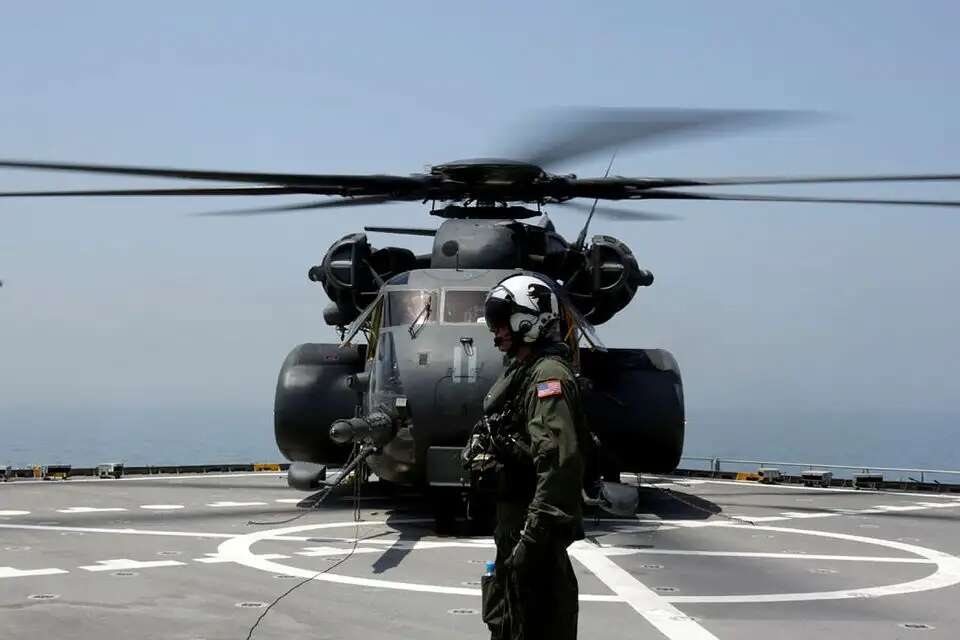
US President Donald Trump has pressured Tehran to reopen the Strait of Hormuz and accept several US conditions for ending the stalemated conflict. At the same time, Trump has stressed that all options remain on the table, including further military action. As a result, US Central Command, which is responsible for conducting the war against Iran, has kept more than 50,000 troops on alert for months in case the president orders additional strikes.
The Aug. 14 orders book directs some troops deployed in the Middle East to remain in the region through September, while the deployments of others have been extended into 2027. The possibility of keeping those forces there even longer prompted senior military officials to voice their concerns.

The overall view among military leaders is that the Iran campaign, now six months old, has been "too much for too long," according to a person familiar with the assessment. The source said commanders routinely discuss risks, but the situation this time was "more dire." Some generals and admirals were more direct and outspoken than usual in telling Hegseth that they opposed continuing to transfer equipment and personnel while the future course of the operation remained unclear.
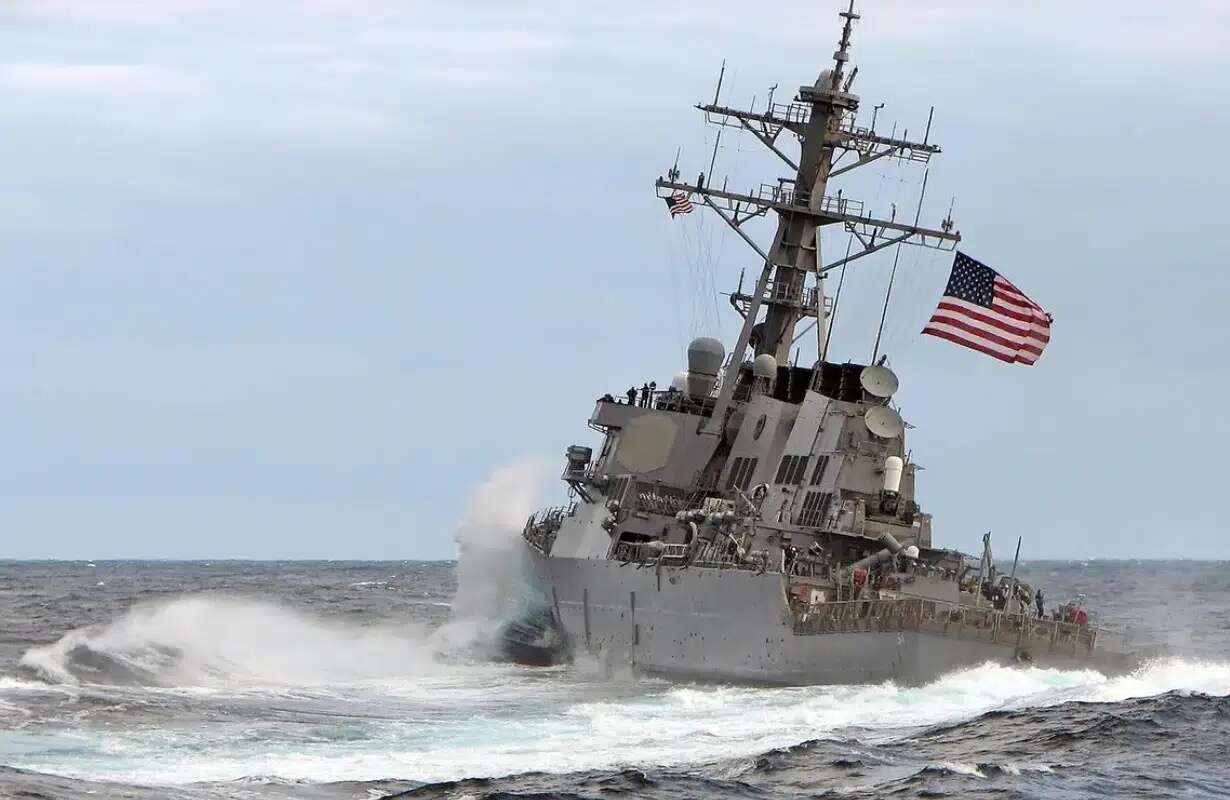
Senior commanders at US European Command and US Southern Command warned Hegseth that transferring ships and surveillance aircraft to Central Command had diminished their ability to fulfill missions connected to the defense of the United States. The US Navy has shouldered an especially heavy burden. It has been required to provide dozens of vessels for the Iran campaign, initially to participate in the US attack and defend against Iranian counterattacks, and subsequently for months to enforce Trump's blockade of Iranian ports as part of his effort to force the reopening of the Strait of Hormuz.
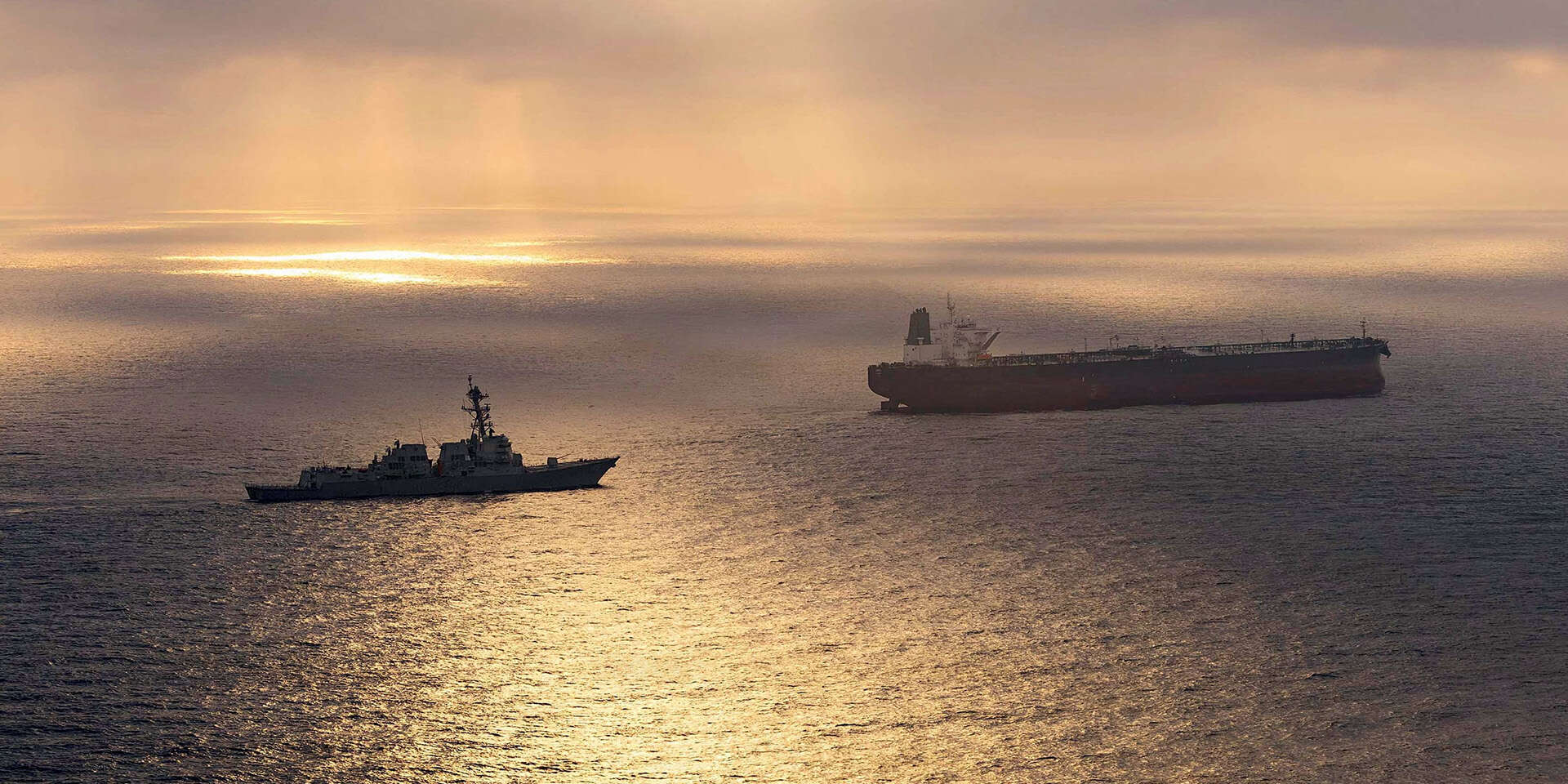
The Navy's top commander told Hegseth that barely one-quarter of the US destroyer fleet was ready for deployment, a sharp decline from prewar levels, according to people familiar with the assessment. The document also warns that if the demands imposed by the Iran campaign continue at their present level, the resulting effect on ship maintenance could jeopardize the fleet's availability in the event of additional conflicts.
US ground forces are also expected to remain in the Middle East. The US Army's 82nd Airborne Division, which mobilized 2,000 soldiers in March in response to the Iran war, will remain in the region at least through September. According to people familiar with the assessment, some military officials expect the division's deployment to be extended beyond that point. The division could play a central role in any ground invasion of Iran.
Deployments of units operating Patriot air defense systems are also expected to be extended. The systems are used to intercept missiles and drones targeting US bases.