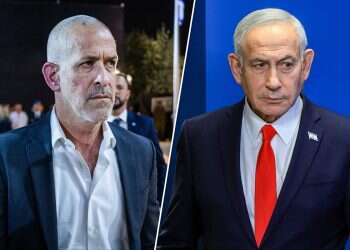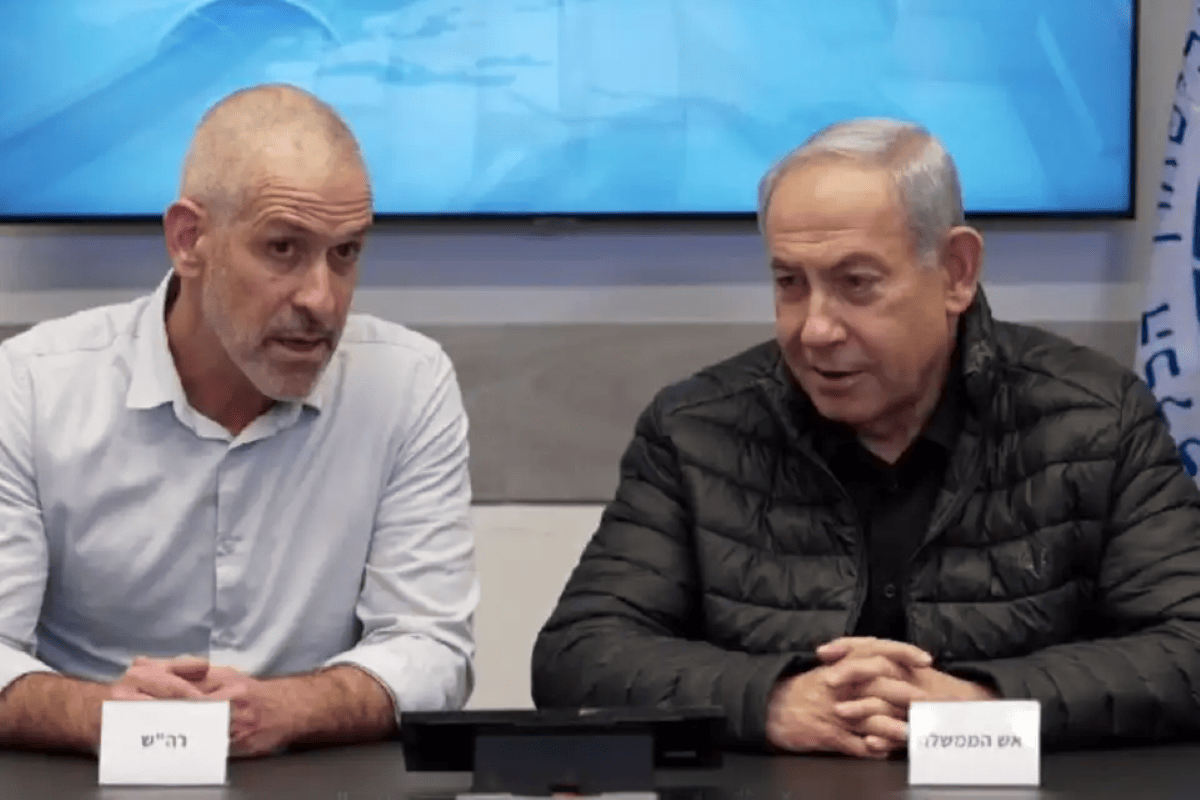
Israel has maintained several direct, secret channels of communication with Hamas, and this has been the case for years, including during military confrontations. Some of these channels have remained in place even after the October 7 massacre. This is what a security official who has worked in this field until recently told Israel Hayom.
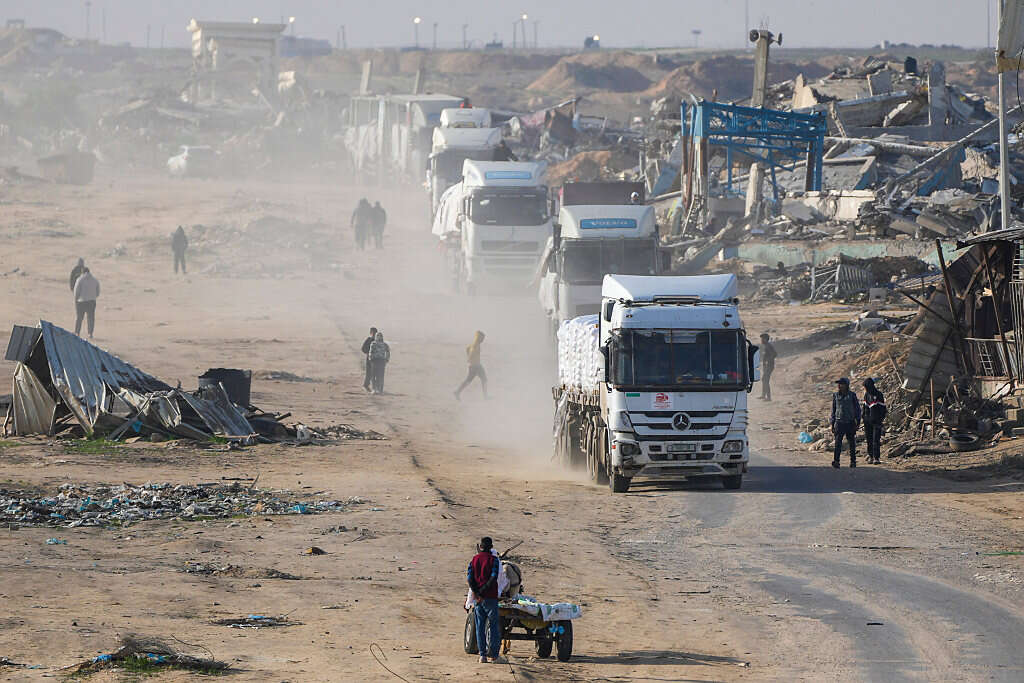
According to the official, the channel between Shin Bet chief Ronen Bar and Ghazi Hamad is a longstanding Shin Bet channel with Hamas that was reopened during the war, though not immediately after October 7. The channel was meant for passing messages without mediation and for carrying out necessary coordination on matters related to the hostages, food supplies for humanitarian issues, and other topics.
The official said this channel has helped bring about the hostage deals and has even helped protect their lives while they were held captive. "We have been talking to Hamas since its founding. There are indirect channels, but the various mediators also have their own interests. A direct channel helps both sides understand the real messages and solves problems in real time, even when there is fighting," the official said.
Direct, unofficial channels of communication between Israel and Hamas also existed in the years before the current war and at times operated alongside contacts conducted through mediators. One of the central figures on the Hamas side in this type of contact was Hamad, a senior official in the terror organization in Gaza.
Hamad also played a role in the contacts that led to the Shalit deal. Gershon Baskin, who was involved in a secret channel between Israel and Hamas, previously told Israel Hayom that his contact with senior officials in the terror organization began with Hamad just days after the kidnapping of Gilad Shalit. Messages were passed between the sides through the channel over the years, first during Ehud Olmert's government and later with Prime Minister Benjamin Netanyahu's envoy, David Meidan.
According to Baskin, at an advanced stage of the contacts, Hamad passed him a document on behalf of Ahmed Jabari, who was then a senior figure in Hamas' military wing. The document helped renew the intensive negotiations that ultimately led to the Shalit deal in 2011.
During the current war as well, Hamad has remained a central figure in Hamas' negotiating apparatus. He is among the organization's senior officials who have been involved in the contacts surrounding the ceasefire and the release of hostages, and he was a member of Hamas' negotiating team.
Thus, the use of Hamad as an address for passing messages is not new. It fits into a longer history of unofficial, semi-direct channels meant to allow Israel and Hamas to pass messages even during periods when no official negotiations were taking place between them.