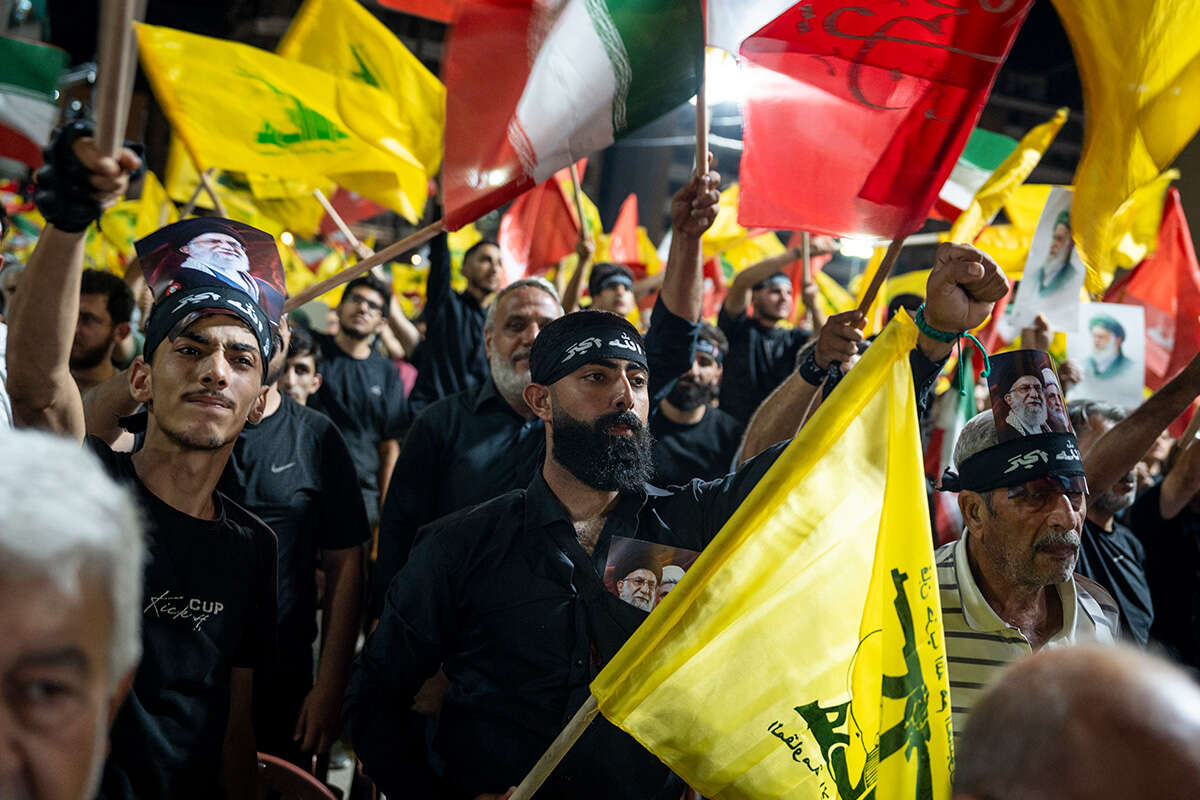
Sources close to the US administration told the Lebanese newspaper Nidaa al-Watan on Thursday that there had been no change in Washington's position regarding Lebanon and that Hezbollah remains designated by the US as a terrorist organization.
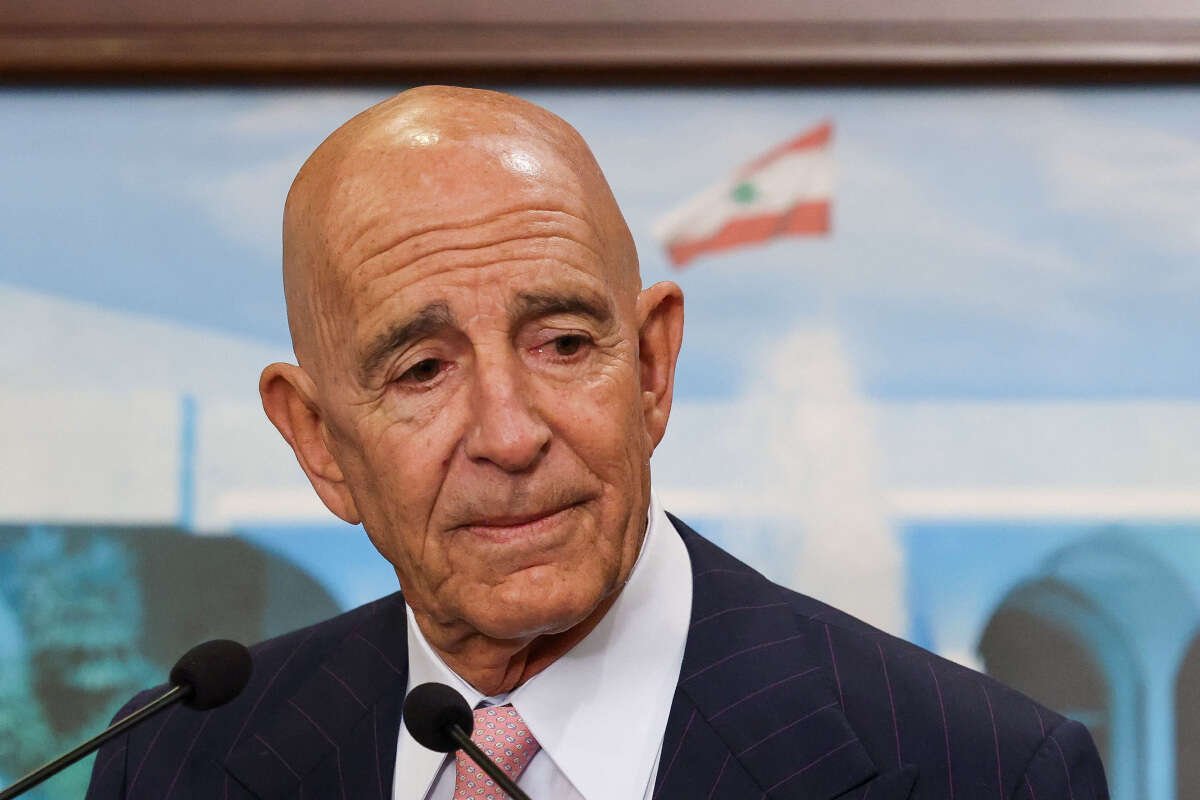
The sources added that the administration had not adopted any formula that would include Hezbollah as a political party to the US-led negotiations. Their comments come after US Special Envoy to Syria and Ambassador to Turkey Tom Barrack said that a stable arrangement in Lebanon would require Iran and Hezbollah to be represented at the negotiating table. Barrack subsequently walked back the remarks.
Meanwhile, a senior official told the Lebanese newspaper Al Joumhouria that Lebanese President Joseph Aoun is working to rally international support for Lebanon and halt IDF strikes in southern Lebanon. According to the official, Aoun is pinning his hopes primarily on the United States and on Washington pressing Israel to adhere to the framework agreement with Lebanon.
"There is no confirmed date for a new round of direct negotiations between Lebanon and Israel in Rome," the official said. "The ball is in Israel's court. We cannot move forward with negotiations while Israel is complicating implementation of the framework agreement and refusing to fulfill its commitments."
On Wednesday, Lebanese President Joseph Aoun said during a meeting at the presidential palace in Baabda that "negotiations with Israel are neither easy nor quick, and there are obstacles and difficulties, but they are far better than war."
Speaking to a delegation from the Maronite General Council at the palace, Aoun explained that "the decision to negotiate [with Israel] was made in order to prevent the disasters and tragedies caused by war."

He said the Lebanese shared "the same goals: liberating southern Lebanon, deploying the army along the borders, securing the release of prisoners, facilitating the return of displaced residents and advancing reconstruction. As has become clear, these goals cannot be achieved through war. Therefore, there is no alternative to negotiations."
"Nation-building is a shared responsibility and does not fall on the shoulders of one person or one party. Everyone has a role and a place. The national interest must remain the top priority, above any personal interest, so that the country can recover," the Lebanese president told the delegation.
"The government has taken steps, even if they are insufficient, as part of economic and financial reforms, and it achieved growth that we expected would increase this year. However, the war destroyed that hope," Aoun said. "With this government, we also began addressing the corruption that had run rampant for years. We are waging a battle against those who refuse to accept the logic of the state."