Turning point
When will Iran collapse? When it runs out of fuel.
That was the answer I received from a senior Western diplomat who has spent years involved in implementing sanctions against Iran. And now, that moment looks closer than ever.
Iran refines about 120 million liters (31.7 million gallons) of gasoline a day but consumes more than 135 million liters (35.7 million gallons), leaving a daily shortfall of roughly 15 million liters (4 million gallons). Until a month ago, imports from China through the Strait of Hormuz, along with fuel supplied by Russia, made up the deficit.
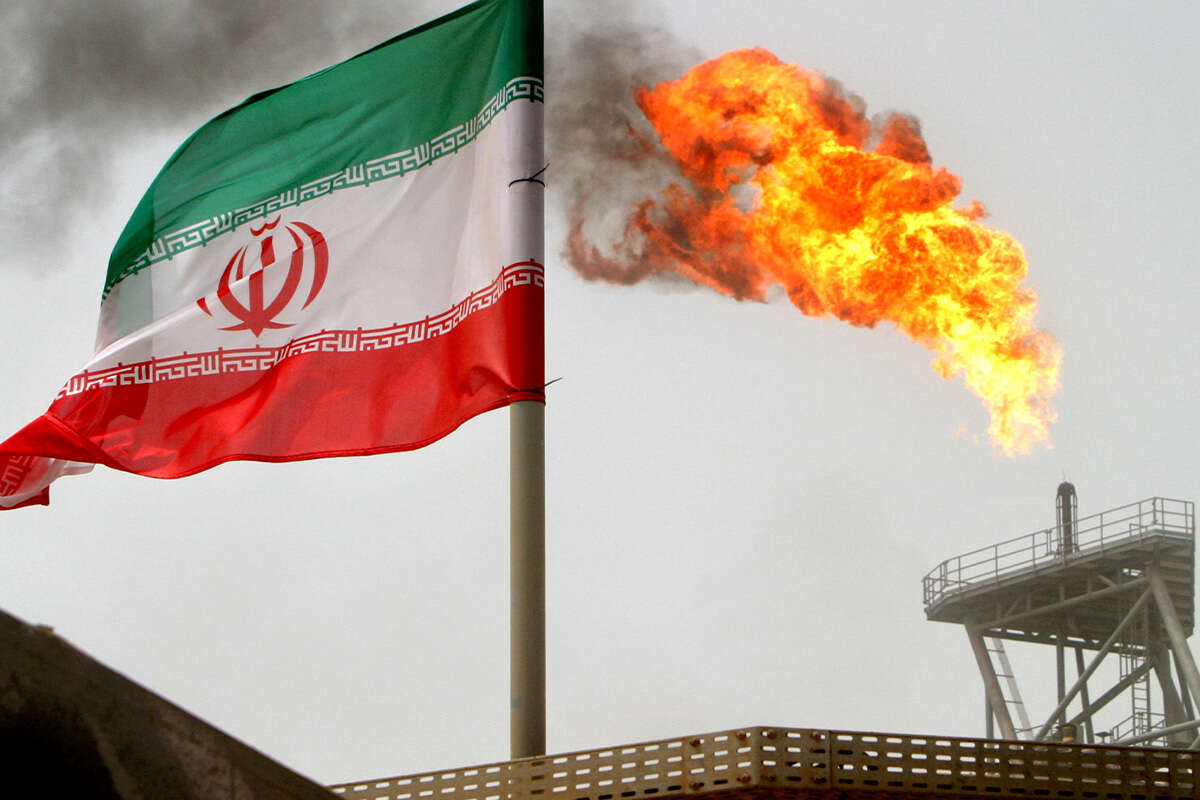
A US naval blockade, Ukrainian attacks on Russian refining infrastructure and the closure of the supply route from Russia across the Caspian Sea have reduced imports to almost zero. The result is rationing that has now fallen to 30-50 liters (8-13 gallons) per car per month, enormous lines at Iranian gas stations and the closure of some stations that have literally run dry.
The international media are to blame
Two years ago, when I wrote that the international media were among the main drivers of antisemitism and the anti-Israel wave sweeping the world, a senior journalist friend who had been posted in Israel for an extended period contacted me to criticize that assertion. I gave him three clear examples of outlandish and baseless falsehoods that had been published by major media outlets in the US and Britain and asked whether he would have published them. His answer was that he would have done so only after carefully checking them with sources he trusted.
Well, those media outlets trusted Hamas and its propaganda arms, which disseminated those stories. They published photographs, some of which had actually been taken in entirely different parts of the world, and framed the stories in an unjustifiably anti-Israel manner, while ignoring the response from the IDF Spokesperson's Unit. This conduct became increasingly common during the years of war, and my journalist friend was left without an answer.
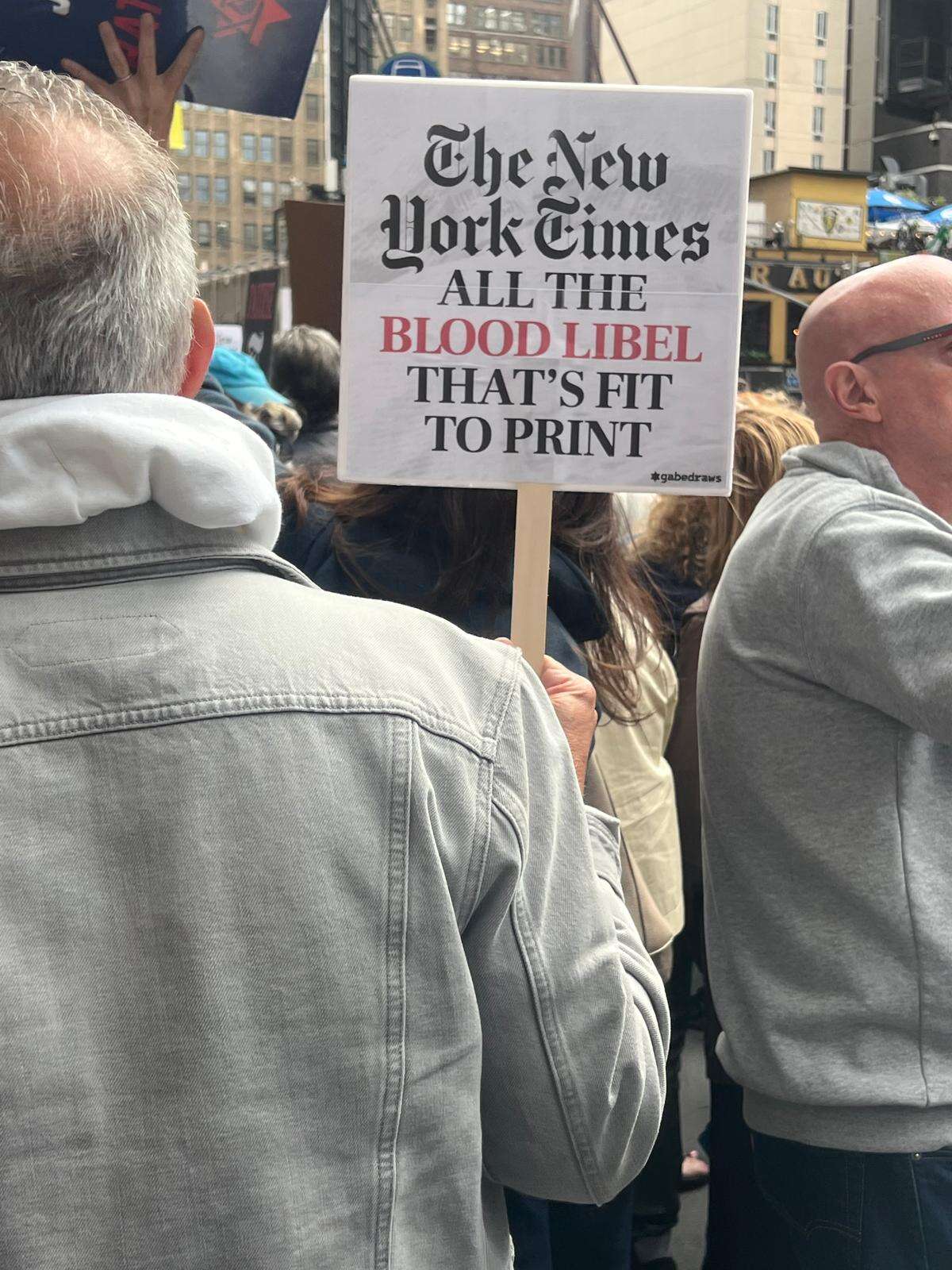
Another aspect of this troubling picture has been highlighted by independent German journalist Wolfgang Tietze, who recently published an investigation into the global media's failure to report the presence of Israeli hostages at Al-Shifa Hospital in Gaza. Tietze obtained numerous photographs and videos indicating that Palestinian journalists were present at the hospital on Oct. 7, 2023, and documented the hostages' arrival, but refrained from sending the images to their newsrooms and did not report what they had seen.
Among other things, Tietze identified 16 vehicles and many dozens of hostages in videos and photographs taken by those "journalists," including IDF surveillance soldiers Naama Levy and Ori Megidish. Tietze asked what the journalists who were there knew and what they actually sent to their editors. He levels a grave professional accusation at The New York Times, The Washington Post and others, which he says knew of the existence of some of the photographs and videos but chose not to report them.
At the end of his investigation, Tietze asked how far a journalist's silence can go when he witnesses a crime. But after it emerged that a considerable number of those "journalists" were in fact members of Hamas and Palestinian Islamic Jihad, the question becomes: What happens when the journalist is himself the criminal, the terrorist?
Relying on local journalists is always problematic in areas controlled by terrorist organizations. The problem at Western media organizations that employed such journalists part time in Gaza was that they relied on them almost exclusively, subjected their work to insufficient scrutiny and published their reporting, much of which was distilled Hamas propaganda.
Some journalists at these organizations tried to push back, generally without success. At some outlets, including the US network CBS, explicit instructions were given to present an anti-Israel position and prevent challenges to implausible narratives, as veteran anchor Tony Dokoupil attempted to do.
If this is what the media in the Western world look like, is it any wonder that public opinion is turning against us?
A slapdash state
Everyone says these are "fateful elections." But what do the leading candidates actually think about the most important issue of all, Israel's diplomatic and strategic future? We set out to find out in a new series of articles, beginning with Gadi Eisenkot. Until now, the foreign policy views of Eisenkot, chairman of the Yashar! party and one of the leading candidates for prime minister, have never been presented clearly and systematically, prompting considerable criticism of him. In his first major diplomatic interview with Israel This Week, Eisenkot lays out the central principles of his worldview and the path he believes Israel should take to achieve them.
The strategic sphere is especially important to him because of what he calls Israel's "partach state," using the Hebrew slang term for a country run in a slapdash, improvised manner."They brought the community committee from Morocco, from Poland and from Iraq to Israel, and that's how they run a country."
Eisenkot himself began to grasp the importance of an overarching strategy and a bird's-eye view while studying at the US Army War College. "In the middle of the classroom stood a huge globe, marked with the US combatant commands and their areas of responsibility, each command responsible for roughly a third of the world. I thought about the size of the sectors covered by our Northern or Southern Command, and about the proportions involved.
"Israel has no strategic management or strategic doctrine," he says.
On this point, he criticizes Prime Minister Benjamin Netanyahu and former Prime Minister Ehud Barak equally. "Barak appointed me his military secretary in 1999 despite opposition from senior officers, but he did not accept my proposal to establish a national security doctrine."
Eisenkot's appointment as military secretary was surprising. He had been commander of the Golani Brigade, and after a successful operation by Golani's reconnaissance unit in Lebanon, Barak, who was at the forward command post, emerged and told then-IDF Chief of Staff Shaul Mofaz that he wanted Eisenkot as his military secretary. Until then, the job had gone to brigadier generals seasoned in staff work, but Barak insisted. Despite the confidence he had shown in Eisenkot, Barak shelved the basic national security doctrine Eisenkot had written.
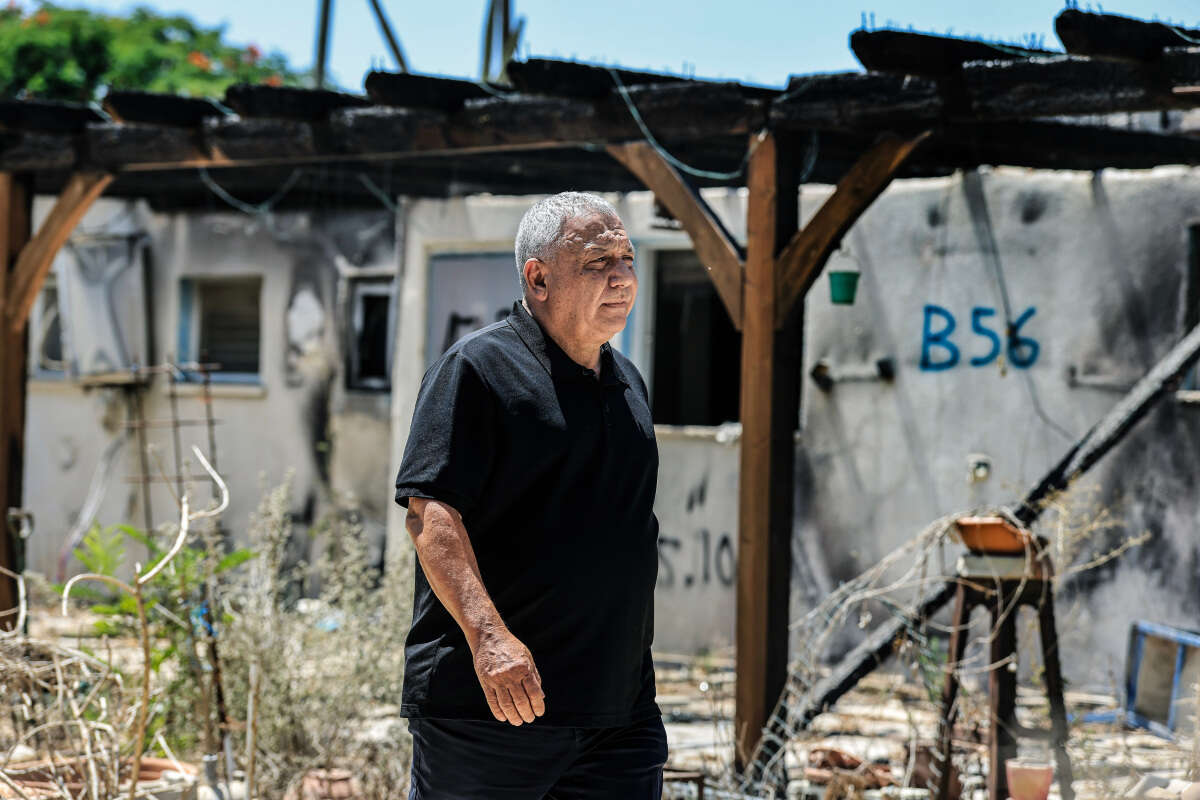
But it did not end there. "When I was chief of staff, Netanyahu also rejected the creation of a national security strategic plan. When I prepared one, he responded by bringing his own plan, which did not meet serious professional standards. It was a plan for presentation at a media conference, not a real plan. Netanyahu believes there is no need for such a plan and that in a chaotic world you have to identify trends and know how to deal with them."
Eisenkot eventually wrote such a document, but only after completing his term as IDF chief of staff. Together with his then-partner, Prof. Col. (res.) Gabi Siboni, he produced a document setting out guidelines for Israel's national security doctrine. In the outgoing Knesset, Eisenkot initiated legislation requiring the next prime minister to prepare a national security strategy within 150 days of the government's formation.
His argument about the importance of a strategic doctrine is illustrated, he says, by the absence of an institution capable of integrating the various elements of government and setting an overarching policy. "The National Security Council has been eroded, the Defense Ministry's Political-Military Bureau has been neutralized, and in the Knesset the chairman of the Foreign Affairs and Defense Committee is a nice guy, but he has no strategic capabilities or qualifications. The country has no strategic compass, and that is one of the reasons the war aims, including Netanyahu's own aims, have not been achieved. Not against Hamas, not against Iran and not against Hezbollah."
Speaking with us, Eisenkot makes one point unequivocally clear: "The two-state solution is a grave mistake."
He explains: "Arab-Palestinian terrorism against Israel is deep-rooted and profound, stemming in part from religious and national motives. The first murder here as a result of Arab terrorism occurred as early as 1851, exactly 175 years ago. The victim was Rabbi Avraham Shlomo Zalman Tzoref, one of the leaders of the Jewish community in Jerusalem's Old City. And it isn't going to end anytime soon."
When I ask him about the prevailing international position, particularly in Europe, in favor of establishing a Palestinian state alongside Israel, Eisenkot says: "Anyone who thinks about a two-state solution after Oct. 7 is simply delusional."
Eisenkot notes that his sister lives in the Samaria community of Yakir, but warns: "Netanyahu gave Ben-Gvir the police and Smotrich COGAT [the Defense Ministry body responsible for coordinating government activity in the West Bank], and as a result the IDF lost its sovereignty in the area. That sovereignty has to be restored. "The actions of these two ministers, together with incidents of settler violence against Palestinians, are causing Israel to lose international legitimacy and are endangering the entire settlement enterprise. Ben-Gvir and Smotrich are undermining Israel's national interest."
You support settlement in Area C. Was it right to issue the construction tenders for the E1 area between Jerusalem and Maaleh Adumim?
"Not now. It's a mistake that is costing us a heavy international price. I would remind you that Netanyahu himself opposed it for a long time, but because of coalition pressure he gave in and approved it."
Here is another position that runs counter to current government policy. Eisenkot believes the ban on Palestinian workers entering Israel is creating a security threat. "One of the ways you fight terrorism is by separating the civilian population from the terrorists. Already today, tens of thousands of Palestinians work in the settlements and industrial zones in Judea and Samaria. Many thousands of Palestinians who are in Israel illegally are crossing the Green Line without supervision, creating a direct and immediate danger."
It would make far more sense, he says, to give family men permits to enter Israel under the supervision and monitoring of the Shin Bet security agency. That, he argues, would assist the fight against terrorism.
What should Israel do about Iran?
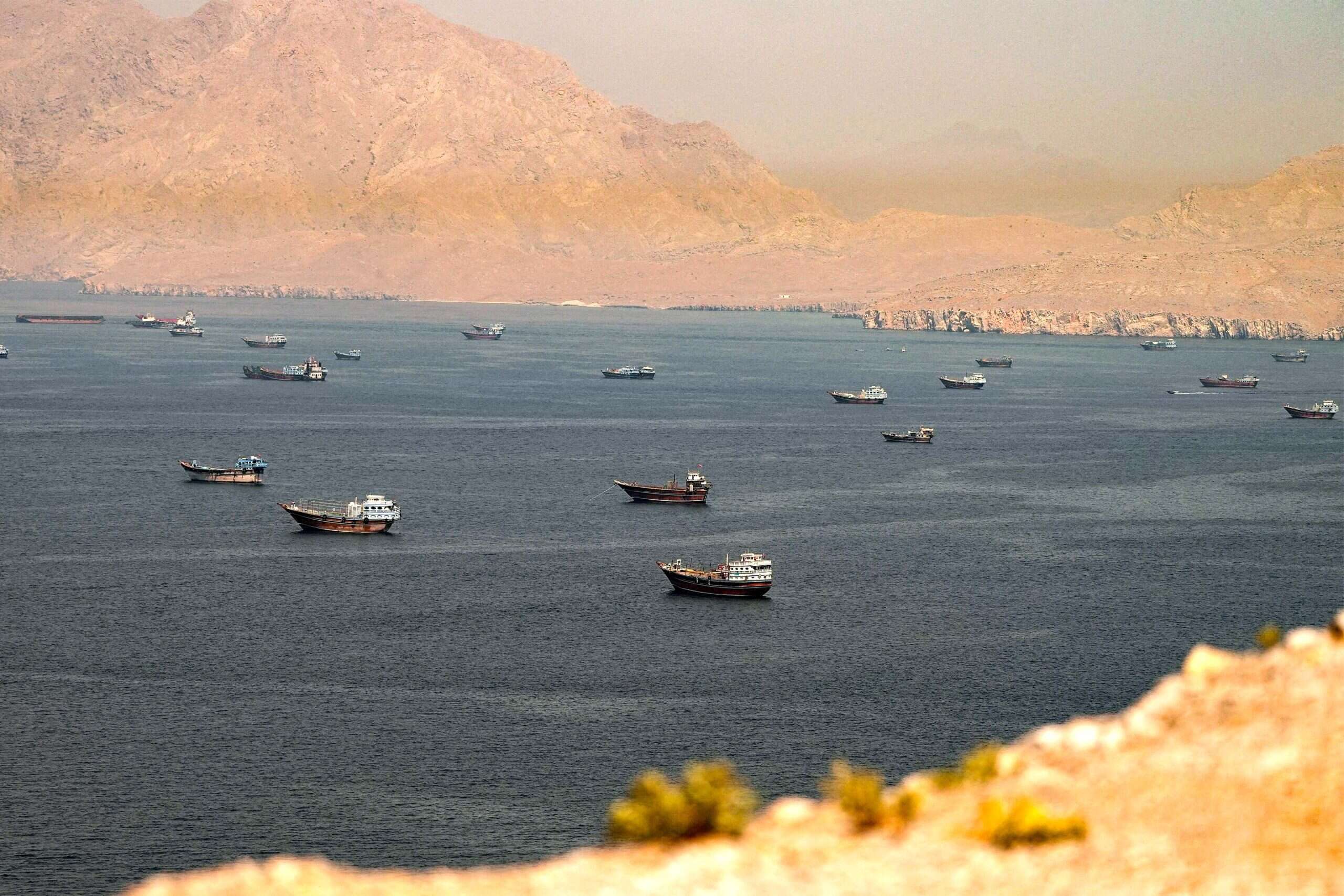
"Iran, as well as Hezbollah and Hamas, use a strategy of winning by not losing. Iran sees itself as the winner because it has preserved its nuclear and missile capabilities. I propose changing our approach completely and focusing solely on the nuclear issue. Open the Strait of Hormuz in order to ease the pressure on the global economy. The focus would be nuclear. I would bomb the entrances to all four of Iran's main nuclear sites. I would declare them 'kill zones,' monitored 24/7, and anyone who approached would be eliminated. The ultimatum to Iran would be that this situation continues until an agreement is reached. All the enriched uranium, enough to produce 10 bombs within a relatively short period, would be removed from the country. At the same time, we need to increase our own strike capabilities."
But this approach abandons what is currently the paramount strategic objective pursued by US President Donald Trump: bringing down the Iranian regime through economic blockade and sanctions. Reopening the Strait of Hormuz would mean pumping large amounts of money into the regime and ensuring its survival over the long term. In doing so, one of the primary levers against Iran would be taken off the table.
One of Eisenkot's main criticisms of Netanyahu concerns the latter's failure to define the release of the hostages as a war aim immediately after Oct. 7.
"When I realized that, I forced an override. I applied pressure in the cabinet, and eventually it was added. That is the only objective that has been achieved. Three years after the war began, the other stated objectives remain far from being achieved." He argues that on every front, Netanyahu has brought Israel to a point where "we are hemmed in by US-led international arrangements."
Yet in the same breath, he also asks why Netanyahu fails to implement those arrangements because of coalition pressure from Ben-Gvir and Smotrich, as in the case of the 15-point arrangement concerning Hamas. At this point, the position becomes confusing. Eisenkot did not offer any significant alternative to US leadership of the war against Iran, for example, and expressed full support for the agreements with Lebanon, contacts with Syria and Trump's plan for Gaza, the very international arrangements he says are leaving Israel hemmed in.
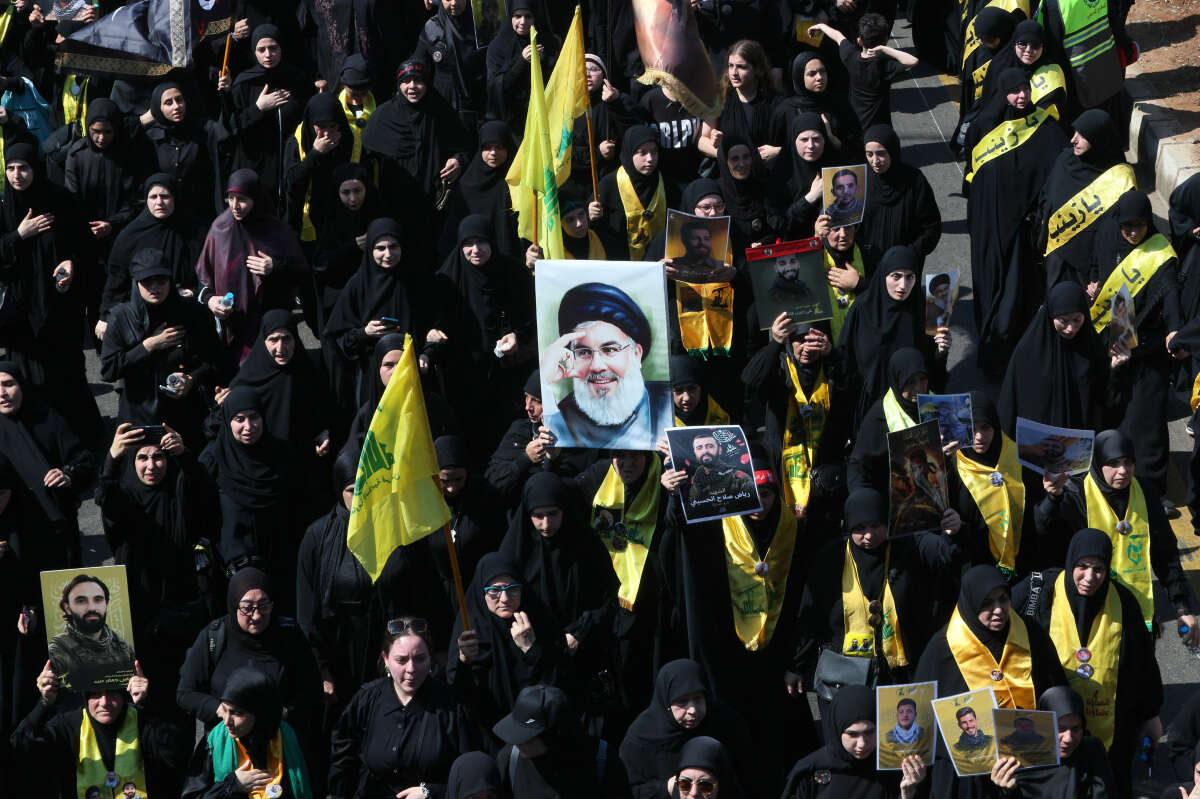
On Syria and Lebanon, his positions are similar to Netanyahu's. Eisenkot, too, supports maintaining security zones until Hezbollah is disarmed.
How would that happen?
"Through an international agreement and the deployment of foreign forces, French and Italian forces, for example, under US command, which would carry out the disarmament in practice. At the same time, Hezbollah must be cut off from its Iranian funding pipelines, and the Iraq-Syria border, which is still used as a smuggling route from Iran to Hezbollah, must be sealed."
Israel should remain on the summit of Mount Hermon for the long term, Eisenkot says, and should withdraw from Syria as a general rule only under an agreement that removes all other foreign forces from the country as well. In other words, Turkey.
The missed opportunity with the walkie-talkie vests
Eisenkot is seeking to dispel the image, promoted by Likud, of a commander reluctant to take offensive action. Among other things, he recounts how he demanded in the war cabinet that Israel respond to Iran with maximum force after Tehran launched a barrage of drones and missiles at Israel in the spring of 2024. Another example he cites is the missed operational opportunity involving vests containing booby-trapped walkie-talkies, an episode about which new details are now being revealed. As previously reported, the vests containing the rigged communications devices were intended to kill thousands of Hezbollah terrorists, who were expected to put them on after an initial Israeli attack.
During 2024, according to Eisenkot, he pressed the war cabinet to change course in the Gaza war and shift the focus to the northern front. He proposed a combined military offensive in which the booby-trapped communications devices attached to the vests would be activated, dealing Hezbollah a devastating blow. According to Eisenkot, Netanyahu referred him to then-IDF Chief of Staff Lt. Gen. Herzi Halevi and Mossad Director David Barnea. Barnea hesitated, Halevi did not support the proposal, and the plan ultimately fizzled out.
The pager operation took place in September 2024, after Eisenkot and Benny Gantz had left the government, amid suspicions that Hezbollah intended to send some of the devices for inspection. A day later, because of assessments that Hezbollah was likely to discover the explosives hidden in the communications devices incorporated into the vests, those devices were also detonated, killing dozens of terrorists. But most of the vests were sitting in warehouses when they exploded. "It could have been a far greater success if they had accepted my position," Eisenkot says.