The US administration is changing course against Iran. After months of military blows, President Trump has returned to the tool associated with his first term, maximum economic pressure, designed to force Tehran to open the Strait of Hormuz and agree to a resolution on the nuclear issue. Trump called it an economic "D-Day," a grandiose label for an ambitious move, but one that is fundamentally sound.
The shift toward economic pressure is also an admission of the limits of military force in subduing Tehran. Iran has been hit hard, but the regime still stands, and for now, there are no signs of increased public unrest. At the same time, the war is hurting Trump's popularity and unsettling the global energy market, months before the midterm elections.
Another logic at play is Trump's basic instinct, which views economic warfare as a central tool for advancing his foreign policy goals, as evidenced by the tariff policy he has pursued since taking office.
And yet, despite appearances, this is the wisest move available. The Iranian regime is more extreme than ever, but also weaker than ever. The regime in its current form will never surrender, and therefore the only way to deal with it is to use every relevant tool to replace it, chief among them the economic one. Tehran can withstand an external threat, but the internal threat is the one it truly fears.
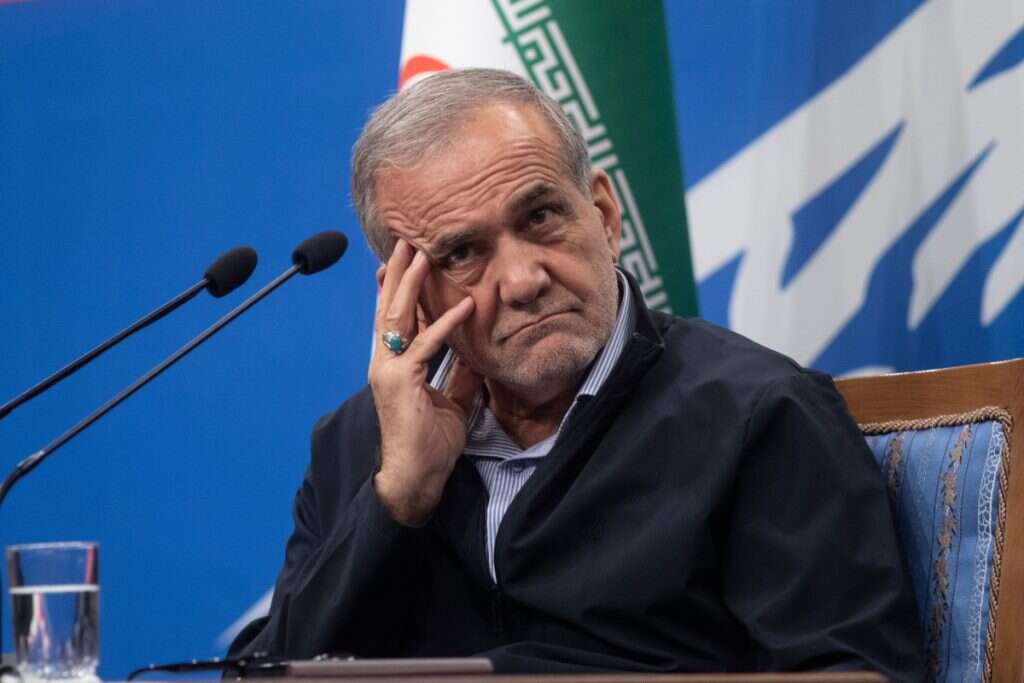
Paradoxically, the regime is far more troubled by deepening American economic pressure than by another military campaign, and evidence of this can be found in the unusual remark by Iran's president that "capital and money are extremely sensitive to risk, and we have to remove this risk from the country," a thinly veiled hint at the need to reach a diplomatic agreement now.
The numbers are hard to argue with. Annual inflation reached 66% in July, and food and beverage prices jumped by nearly 130%. The economy is expected to shrink by about 5.5% in 2026. According to the regime's own figures, the minimum wage is enough to cover only about eight days of living expenses.
More than a million jobs have been lost in the first three months of the war. And oil exports have dropped by about 86% from pre-war levels. In other words, Iran is suffering simultaneously from recession, extreme inflation, wage erosion, job losses, and a collapse in its most important source of revenue.
These are the grim starting conditions with which Iran enters the American economic pressure campaign, and they are far worse than the starting conditions it faced, not very successfully, during the first Trump administration. Adding to the problems, the United Arab Emirates has decided to suspend trade and financial activity with Iran. This is a severe blow. Before the war, more than 30% of Iranian imports passed through the UAE, which for years served as a key hub for re-exports, money transfers, and sanctions evasion on Iran's behalf.
This distress explains the palpable anxiety in Tehran and the regime's efforts to deter the US and its partners from tightening the pressure. Mohsen Rezaei, secretary of the Supreme National Security Council, warned that Iran would respond "with the force of an earthquake" against countries that join the economic campaign.
At the same time, the Financial Times reported that Iranian forces examined striking American military assets in Bulgaria and Cyprus, should Washington resume its military campaign. On the domestic front, the regime is acting far more cautiously than usual.
The strict hijab law remains frozen, partly out of fear that enforcing it would reignite the protests, and authorities are for now settling for selective and indirect enforcement. The Iranian regime displays toughness abroad and relative softness at home, mindful that the real threat to its existence does not come from the American Fifth Fleet but from the fifth district of Tehran.
It is difficult to predict whether the pressure will bring about change in the short term, and it is doubtful whether anything can shift Iran's defiant stance regardless. The regime is still capable of suppressing its citizens and harming its rivals, and further military blows may yet be required.
And yet, Trump has found Tehran's central point of weakness, the economy and its ability to provide its citizens a life of dignity. In doing so, the president is paving the most effective path toward toppling the regime in the coming years, drawing inspiration, fittingly, from Democratic President Bill Clinton's famous 1992 campaign line, "It's the economy, stupid."