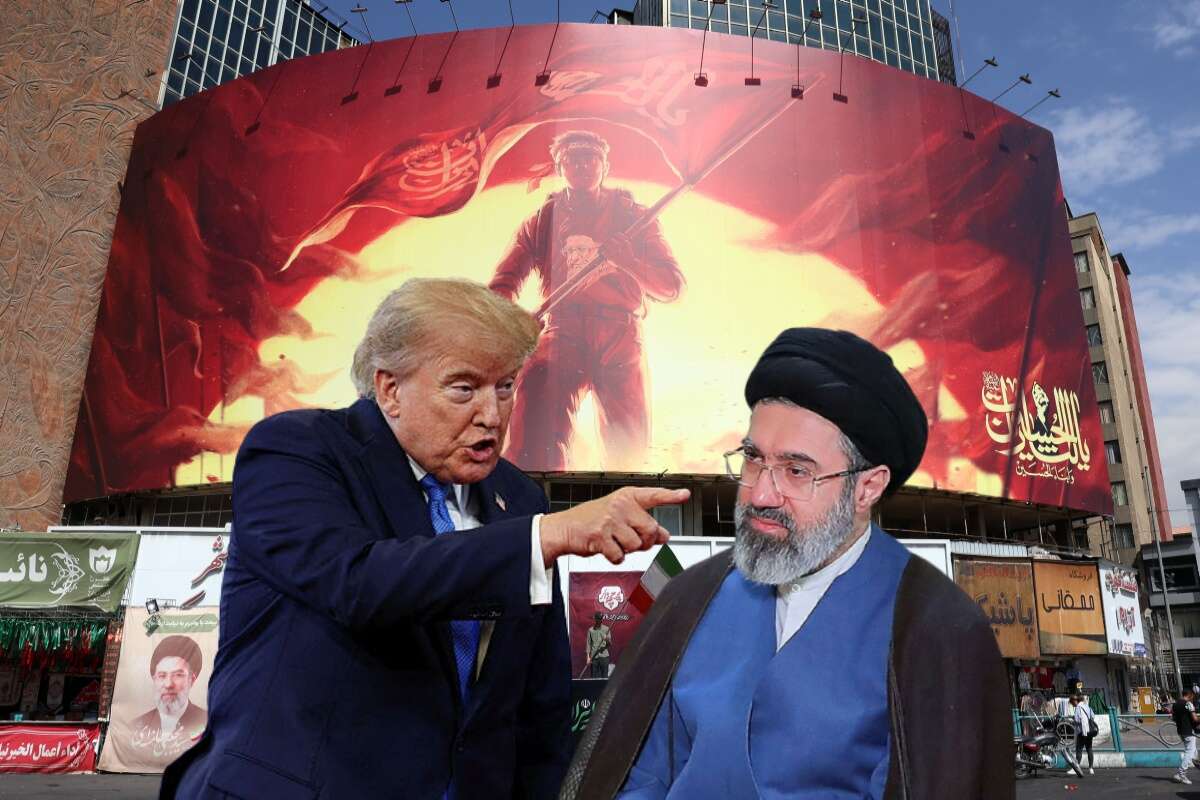
The Trump administration is poised to announce a sweeping new wave of sanctions against Iran on Monday, introducing measures with a scope and intensity never seen before. The primary objective is to threaten any nation that conducts business with Iran across virtually any sector, expanding the net far beyond the traditional targets of oil, refined petroleum products, and weaponry. This aggressive maneuver serves as a stark American warning to any entity attempting to trade with Iran, aiming to cut the Islamic Republic off from global commerce almost entirely.
President Donald Trump has embraced economic warfare as his weapon of choice against Tehran, with the explicitly stated goal of bringing the regime to its knees until it accepts US conditions for ending the conflict. The overarching strategic aim is to cripple the regime to a point of critical weakness – potentially paving the way for its collapse – as Treasury Secretary Scott Bessent has explicitly outlined. The administration intends to achieve this by depleting Iran's resources and igniting domestic economic chaos that could spark widespread civil unrest.
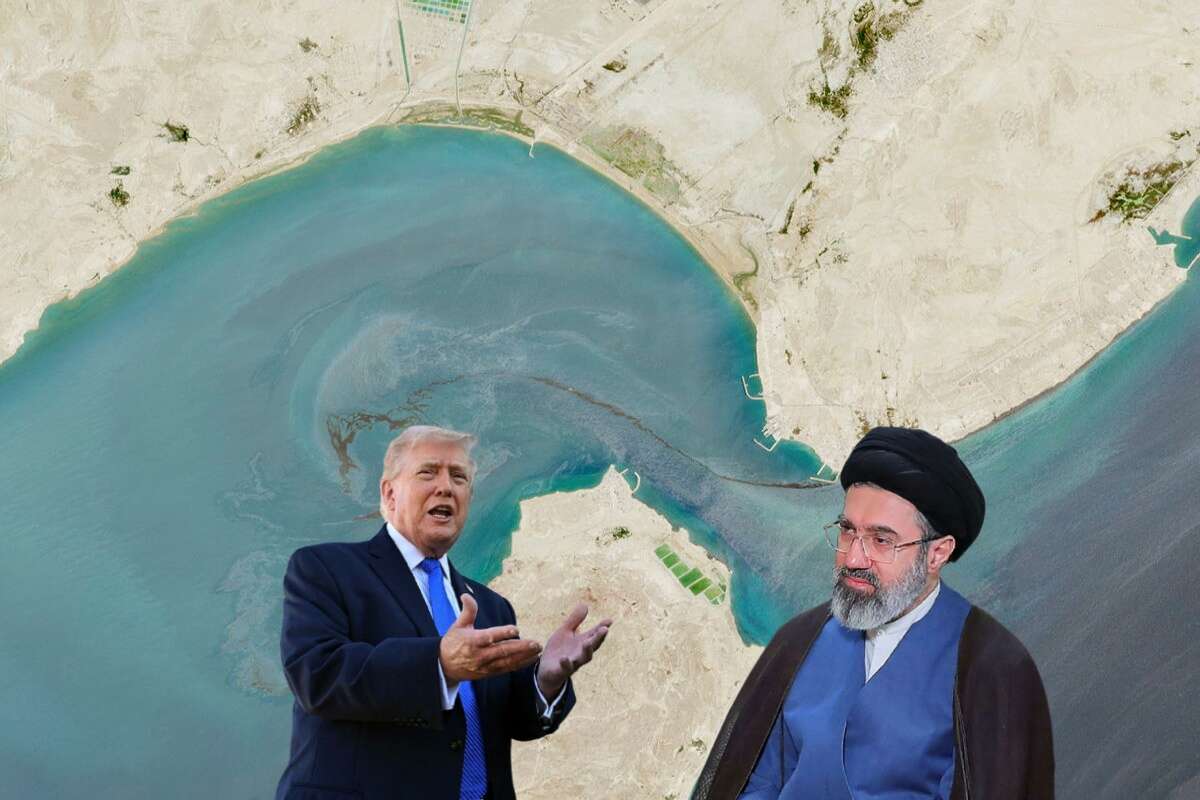
Israel Hayom has learned the impending sanctions will tighten the naval blockade to its maximum limit. The measures will aggressively expand restrictions on oil exports and the companies facilitating them, while also targeting new commercial sectors and financial networks. Among the planned moves is a long-term strategy by the US Navy to establish total control over the Strait of Hormuz, ensuring the blockade remains impenetrable.

Targeting Iran's trading partners
Furthermore, the US is expected to unleash dramatic secondary sanctions against companies and nations that trade with Iran across a vast array of products and industries, with exemptions limited strictly to humanitarian goods like food and medicine. This poses a severe risk of sweeping penalties for numerous businesses in Pakistan, China, Turkey, Russia, and beyond, simply for maintaining commercial ties with Tehran.
While state actors like China and Russia may publicly shrug off the sanctions, their corporate entities that rely on business relations with the West and the US will likely tread carefully. Many may even opt to sever trade ties with the Islamist regime altogether to protect their global interests.
Simultaneously, the US Treasury Department has drastically ramped up efforts to trace, freeze, and confiscate Iranian financial assets, whether hidden in traditional banking institutions or the digital crypto space. According to intelligence estimates, the Islamic Revolutionary Guard Corps (Iran's primary military force) has funneled a substantial portion of its wealth into cryptocurrencies in a desperate bid to sustain international trade, evade surveillance, and prevent asset freezes.
The Treasury Department task force spearheading this effort has already identified numerous digital wallets, successfully seizing some while actively pursuing others. The primary target is the IRGC's colossal economic conglomerate, Khatam al-Anbiya (the IRGC's engineering and construction firm), which dominates nearly half of the Iranian economy. Striking this corporate behemoth directly undermines the regime's ability to survive.
An economy on the brink
Even before this new barrage of sanctions, Iran's economy is teetering on the edge of the abyss. The domestic fuel crisis deepens by the day. Despite being one of the world's top crude oil producers, Iran suffers from a severe lack of refining capacity, and its stockpiles of processed fuel for transportation and power generation are rapidly dwindling. Private vehicle owners are now restricted to a meager monthly quota of just 60 liters (15.8 gallons), and anyone seeking an additional liter (0.26 gallons) is forced to pay exponentially higher prices.
This localized crisis could be the spark that ignites broader chaos. A strike by truck drivers, joined by workers in vital industrial sectors reeling from wage cuts, could trigger a rapid descent into turmoil. Real wages have eroded so drastically that Ali Aslani, a senior leader in Iran's workers' councils, estimates an average Iranian worker's monthly salary now covers only 10 to 15 days of basic living expenses.
The financial reality is grim. A new worker earns roughly 21.8 million tomans (slightly more than $100) per month, yet urban rent can easily hit 28 million tomans (approximately $128). The basic cost of living for a family of four in a major city is estimated at 80 to 90 million tomans ($366 to $412), meaning the average household income barely covers half of what is needed to survive.
Desperate to protect their shrinking wealth, the Iranian public is scrambling to buy gold. The market price of the Imami gold coin (a popular Iranian bullion coin), which has increasingly replaced paper banknotes in everyday transactions, has surged by 5% in recent days. Meanwhile, stark warnings from top officials are echoing across the country. The governor of the Central Bank of Iran has openly expressed fears of a total economic collapse, while Davood Ranghi, vice chairman of the Iran Chamber of Commerce, warned the nation's stockpile of essential goods will run out in less than three months. Iran, he stressed, remains highly vulnerable due to its heavy reliance on imported food staples like wheat and corn.
China remains Iran's largest trading partner, accounting for roughly a third of the country's non-oil foreign commerce. Prior to the war, Beijing also purchased approximately 90% of Iranian crude oil exports.
However, Chinese data paints a bleak picture, estimating bilateral non-oil trade plummeted to less than $823 million during the first four months of the war, spanning March to June. This represents a staggering 75% collapse in trade volume compared to the same period last year.
A plunge in global trade
Commercial relations with Iran's other key allies have also withered dramatically. The United Arab Emirates – historically Iran's second-largest trading partner – recently announced a complete cessation of all trade with the Islamic Republic.
Official figures from Turkey, Iran's fourth-largest economic partner, reveal Turkish exports to Iran were slashed by nearly half between March and June, dropping to around $716 million. Concurrently, Turkish imports from Iran fell by 37% to $907 million.
India has experienced a similar freefall. Its exports to Iran plummeted by roughly 60% during the initial four months of the conflict, bottoming out at approximately $150 million. As the primary supplier of raw materials for Iran's pharmaceutical and medical equipment sectors, India's exports have now ground to an absolute halt due to the ongoing closure of the Strait of Hormuz.