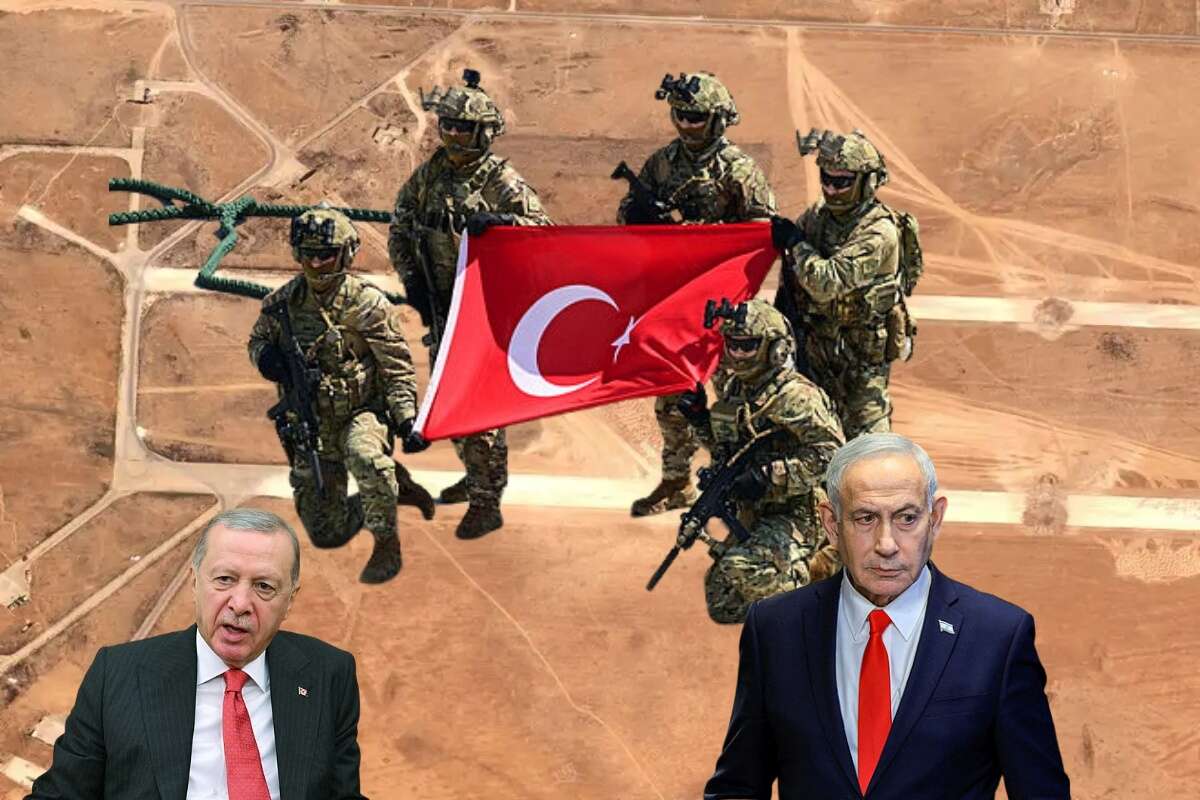
In July 2025, Ankara delivered an unusual present to Ahmed al-Sharaa's Syrian army – a batch of four advanced, brand-new armored personnel carriers produced domestically. For several weeks, the IDF Intelligence Directorate – from its chief, Maj. Gen. Shlomi Binder, on down – was consumed with tracking these APCs across the vast Syrian landscape. Ultimately, the armored vehicles were pinpointed, thanks in no small part to a stroke of luck. Since that moment, they have remained under intense surveillance.
This episode, unfolding more than a year ago, is merely a symptom of a far broader regional trend. Turkey has steadily cemented its military and diplomatic footprint in Syria, operating under Israel's watchful gaze.
The strike capabilities of the Turkish Air Force – which boasts an advanced fleet of F-16 fighter jets and may soon acquire F-35s – have similarly drawn intense scrutiny.
It stands to reason that over this prolonged period, the Intelligence Directorate detected far more than the initial four APCs. Yet, until this week, Israel gritted its teeth and exercised restraint. Whenever it did intervene, it maintained a strictly clandestine profile. Despite the occasional belligerent rhetoric and the inevitable back-channel messages passed through third parties, the sweeping Turkish initiative to funnel an endless stream of military hardware into Syria – and cement its influence there – had never encountered an Israeli bomb.
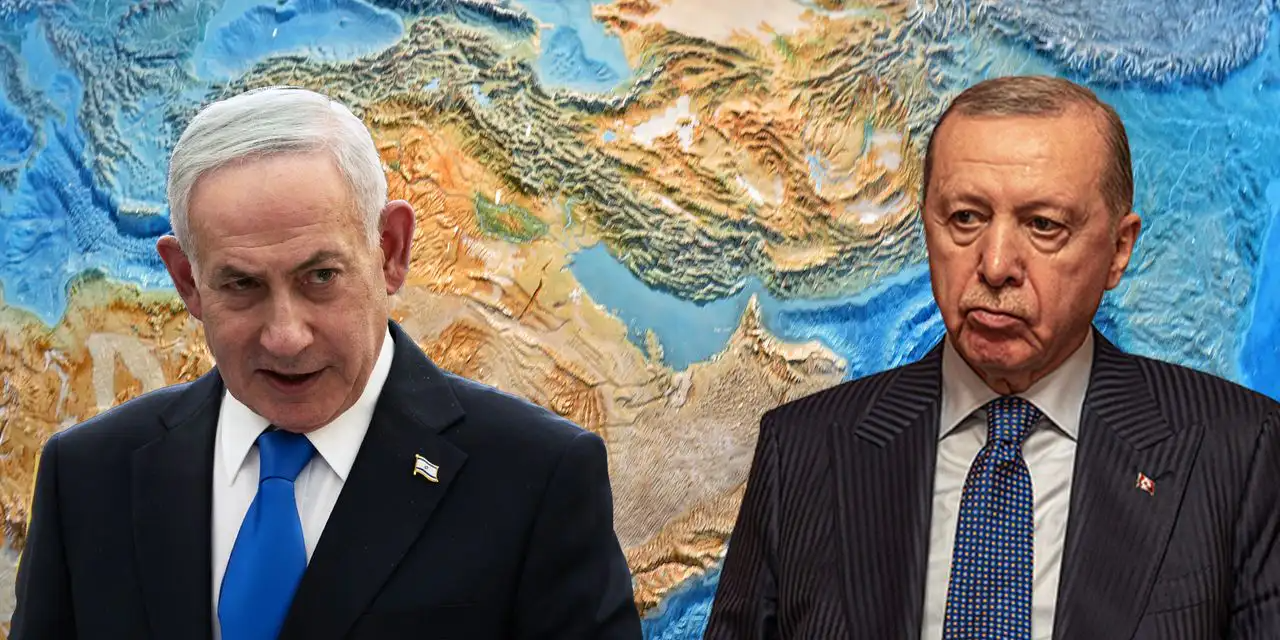
That paradigm shifted decisively this week following the alleged Israeli strike on Abu al-Duhur airbase in the Idlib region, explicitly targeting the Turkish military buildup in northern Syria. Israel's top echelon appears to have recognized that abandoning the flawed containment strategy – a doctrine that dominated every front until October 7 – is equally applicable to the Turkish juggernaut.
As fate would have it, the strike unfolded mere hours before polls opened in the Likud primaries (internal elections for the ruling party). Critics immediately charged that this dramatic maneuver was orchestrated exclusively to benefit Prime Minister Benjamin Netanyahu. While military and political clocks occasionally align – and ambitious actors frequently labor to synchronize them – the assertion that Israel launched a strike in Syria purely for electoral gain is absurd. The military friction between Jerusalem and Ankara is hardly a new phenomenon, having simmered for over a year. Throughout this period, Israel steadily dedicated more intelligence resources to the Syrian theater. Predictably, when you look closer, you uncover more.
Historically, Syria has consistently served as a testing ground for imperial rivalries, a dynamic unlikely to shift in the coming decades. The collapse of the Assad regime, coupled with the subsequent degradation of Iran following successive clashes with Israel and crippling American economic sanctions, created a vacuum in Syria that Turkey eagerly filled. Addressing the nation days after the Assad regime fell, Recep Tayyip Erdogan remarked, "The events that occurred recently in our region, especially in Syria, remind us of an important fact." He elaborated, "Turkey is bigger than Turkey."
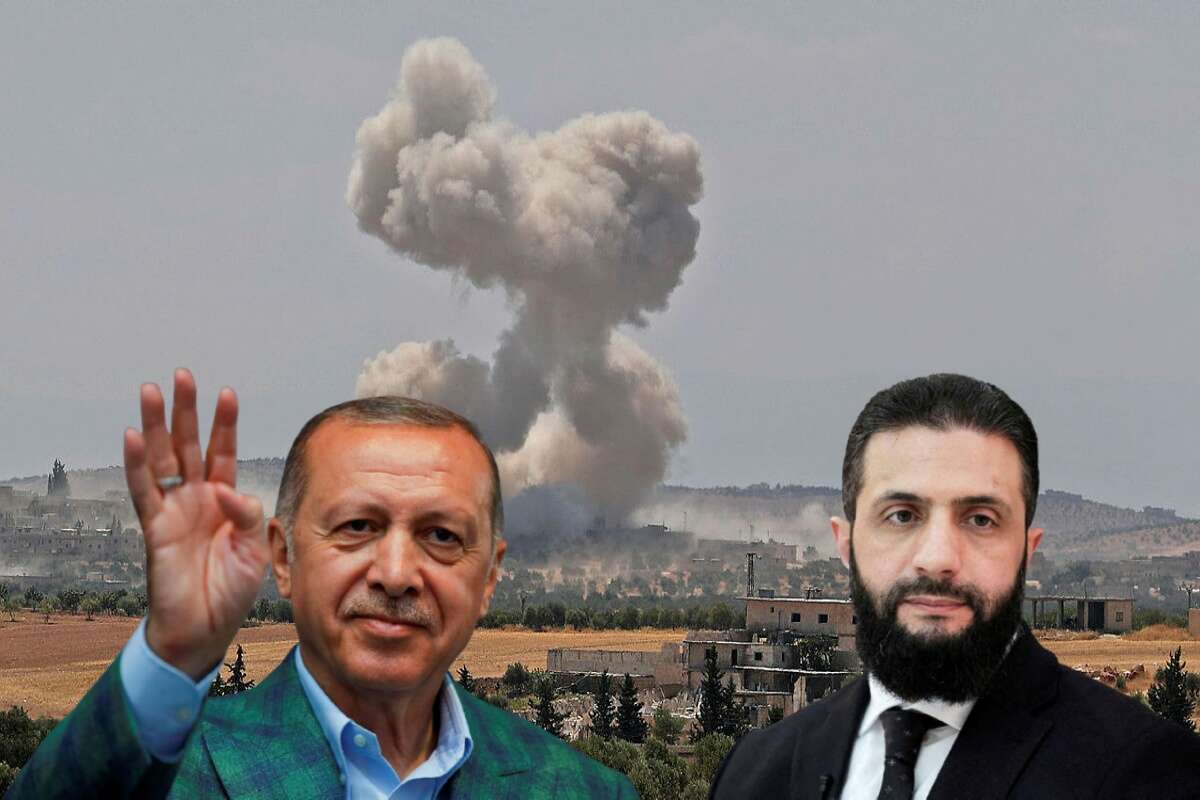
Erdogan's expansionist appetite extends well beyond Syria. Highlighting this trend, a highly placed intelligence official recently told me, "Dramatic economic reforms have begun in Turkey; it has a large army and independent defense industries, it has planes, ships, and submarines – and mostly it has a vision." The official added, "This vision includes Syria, Kurdish lands, and even investment in the Horn of Africa (a peninsula in East Africa). In 15 years, there will be two regional powers in the Middle East – Israel and Turkey."
The intelligence apparatus is not alone in its alarm. The Nagel Committee – tasked with evaluating the future defense budget amid shifting strategic realities – addressed the Turkish menace in August with razor-sharp clarity, warning, "The presence of Turkey's proxies or Turkish forces in Syria could deepen the danger of a direct Turkish-Israeli conflict."
While making predictions in the current era is ill-advised, I will take the risk. A direct confrontation with Turkey may not materialize in the immediate future, but it could certainly evolve over the next decade. If Israel – backed by robust American support – successfully topples the Islamist regime in Tehran or significantly curtails its maneuverability, the next major conflict on Israel's horizon could very well involve Turkish aircraft, missiles, and warships.

Much like the classic video game Street Fighter (the classic arcade fighting game), real-world adversaries tend to grow more formidable as you advance to higher levels. The overwhelming dread surrounding the military capabilities of Iran and its proxies has largely proven unfounded. Though Israel absorbed blows and fell short of completely subduing Iran, it emerged from that specific conflict in a stronger position, at least for now. However, a direct clash with Turkey would present an entirely different nightmare.

Every new Turkish military innovation I encounter leaves me deeply unsettled. Erdogan is forging an immense military machine armed with strategic capabilities and cutting-edge technology. Crucially, the lessons of October 7 dictate that adversaries must be judged by their capabilities, not their perceived intentions. Turkey's strategic alliances, industrial base, and economic prowess easily dwarf those of Iran.
Israel acted wisely by delivering a kinetic message to Turkey's expansionist project while it remains in its early stages.