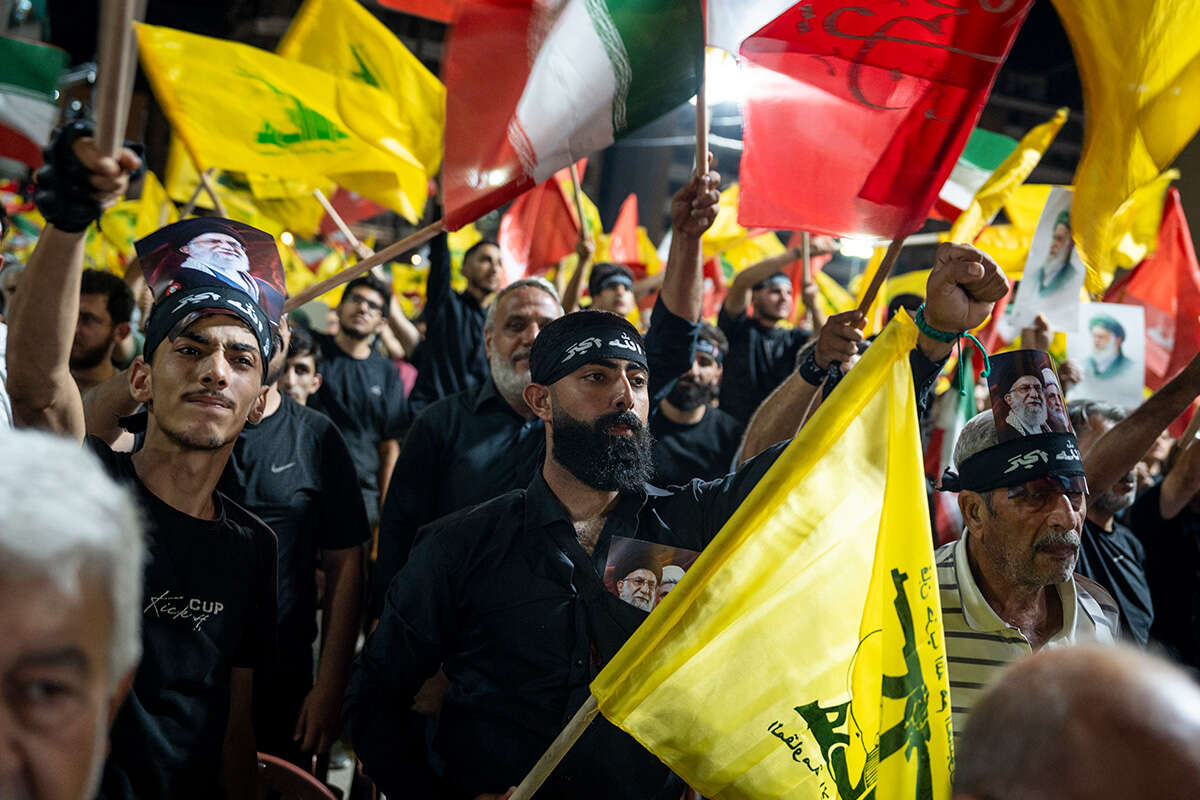
The US-sponsored negotiations between Lebanon and Israel pose a direct threat to Hezbollah, but not only to Hezbollah. Iran views a rapprochement between the two countries, and perhaps even future security arrangements or a peace agreement, as a direct threat to its regional strategy. Far from being weakened after Operation Roaring Lion in March and April 2026, that strategy has reinforced the connections within the Shiite axis, which originates in Iran and relies on regional proxies in Iraq, Yemen and Lebanon, and to a lesser extent in Gaza.
With Iran's encouragement, Hezbollah is doing, and will continue to do, everything it can to sabotage, delay and obstruct the negotiations between Israel and Lebanon. The latest incident, in which three Commando Brigade troops were seriously wounded by an explosive drone, was different from the previous incident in which two reservists were killed when an explosive device detonated in a house where they were staying or had entered. In that case, there was, and still is, difficulty determining when the device was planted and by whom. The attack over the weekend, by contrast, was deliberate and left no doubt as to who was behind it.
For Tehran, Hezbollah is not merely an armed "resistance" force against Israel. It is a mechanism through which Iran can project power toward the Mediterranean, maintain a direct and readily available threat against Israel and preserve political influence in Lebanon. Hezbollah is also an important element in Iran's vision of territorial continuity through Iraq and into Syria and Lebanon, ambitions that have not been abandoned despite the years of war.
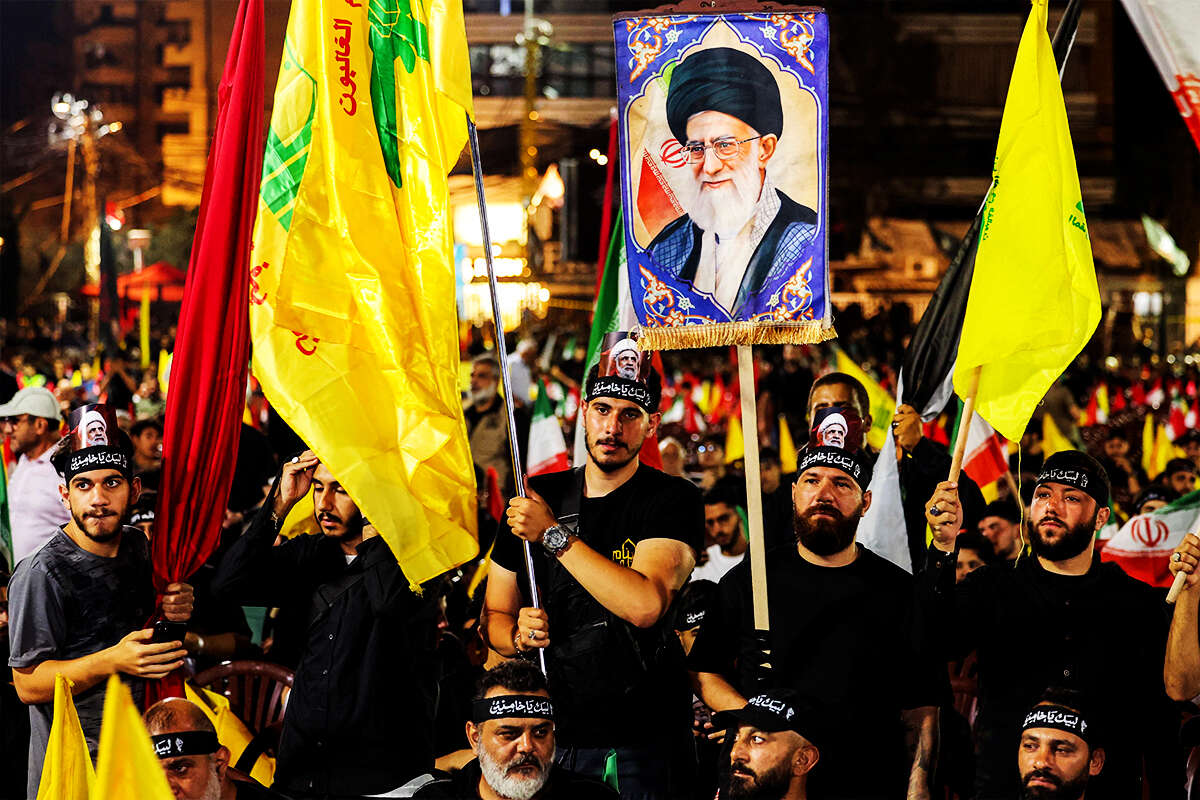
Iran, for its part, will try to shift the arena from the negotiations over the Strait of Hormuz to Lebanon, diverting attention and fire away from its own borders and toward our region. That would serve Iran's interests in the near term, and Israel must do everything possible to avoid playing into Tehran's hands.
During Operation Roaring Lion, Israel was quick to tout what it described as the strategic trap Hezbollah had walked into, one that allowed it to expand and renew its campaign against the organization in Lebanon. Roughly six months later, however, Israel understands that the reality is somewhat different.
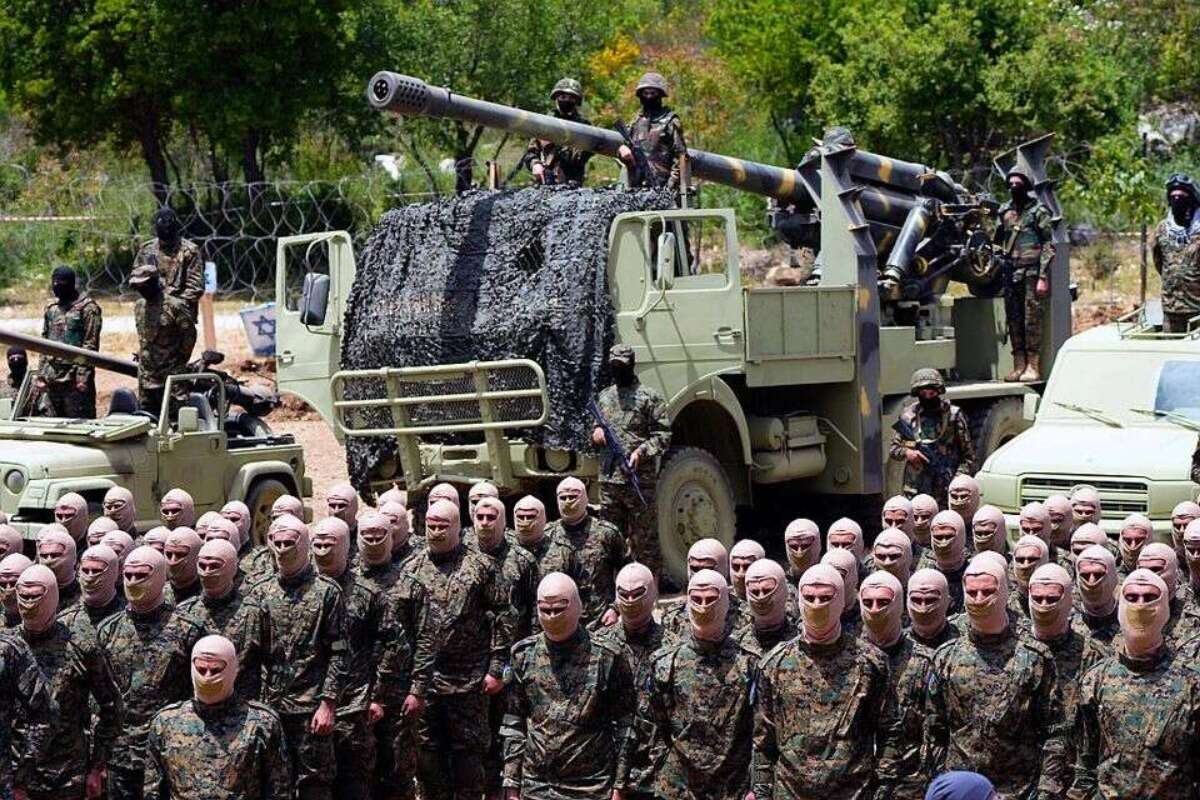
Hezbollah was far from the brink of collapse in the days after the Nasrallah era. After a year of proactive offensive activity under the cover of the ceasefire that followed the first round of fighting, Operation Northern Arrows, the organization rebuilt quickly, restored damaged field units and reestablished its infrastructure in southern Lebanon.
Capturing and taking control of the security zone may have pushed Hezbollah several kilometers back from the border, but it does not constitute a genuine long-term solution to the Hezbollah challenge. That must be said plainly, rather than waiting another decade, or less, to recognize it.
What should Israel do?
At this point, Israel must use its military power effectively, whether in response to Hezbollah attacks or proactively to remove immediate threats. More importantly, however, it must immediately apply sound statecraft alongside, and as a guide to, its military actions.
I would propose five steps Israel should take to avoid becoming trapped in a Lebanese quagmire and playing into Iran's hands:
- Set a clear objective of a Lebanese monopoly on armed force. Israel should work toward a situation in which the Lebanese Armed Forces are the sole military force in southern Lebanon and, ultimately, throughout the country. Israel should exercise patience, deepen cooperation and regard the success of the Lebanese army as an Israeli strategic objective.
- Make the United States a partner in implementation, not merely a mediator between Israel and Lebanon.
- Offer Lebanon a "reverse deal." Every genuine and successful Lebanese step against Hezbollah should be met with an Israeli withdrawal, a reduction in military activity, the opening of economic channels and support for the reconstruction of southern Lebanon.
- Target Hezbollah selectively. Israel should preserve deterrence while weakening Hezbollah through focused operations, without strengthening the organization's narrative among the local population.
- Turn Lebanon into a zone of competition with Iran. Israel should present Arab states, the US and Europe with a vision of a sovereign Lebanon living alongside Israel in peace. The focus should be on advancing an alternative to Hezbollah, rather than merely asking how Hezbollah can be stopped. Israel should initiate a broader regional diplomatic effort.
Israeli victory in Lebanon will not come on the day when there is no Hezbollah terrorist left anywhere in Lebanon, or even merely south of the Litani River. It will come on the day Lebanon decides that it is a state rather than an Iranian proxy, and on the day Lebanon itself chooses to sever its ties with Iran.
Israel should avoid allowing its confrontation with Iran to become bound up with the situation in Lebanon. Instead of remaining reactive and being dragged along by events, it must become the initiator, with a clear interest in resolving the Lebanese issue and securing the northern border through more than military action alone.