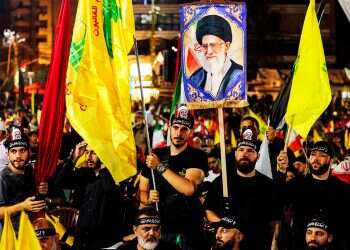
Amid escalating tensions on the Lebanese front, a source described as familiar with the details told Lebanese channel Al-Jadeed on Monday morning that "all indications point to Israeli preparations to take full control of the Ali al-Taher ridge. That explains the intensity of the strikes in the ridge area and deeper inside it, including yesterday, as well as the artillery fire, airstrikes and the dropping of explosive charges by drones."
"The Israeli message is clear: Any further intervention by Hezbollah will be met by crossing all red lines," the source said. "It appears that the timing of the operation depends on the US."
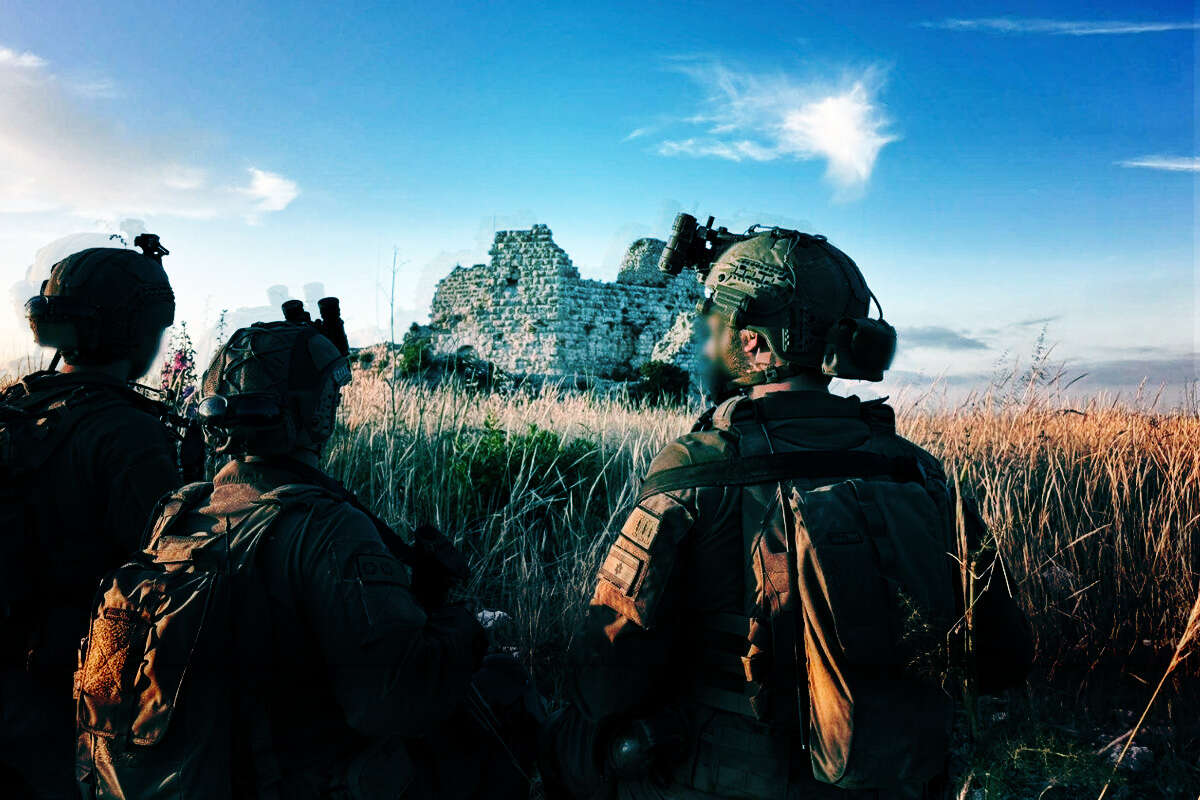
The Ali al-Taher ridge in southern Lebanon separates the Litani River from the Nabatieh area. Beaufort Castle, which was captured by Israel Defense Forces troops, stands at the summit of the ridge, which overlooks the northern Israeli town of Metula.

Commitment to de-escalation?
Meanwhile, a diplomatic source told Lebanese newspaper Nidaa al-Watan on Monday morning that high-level contacts had taken place between Beirut and Washington in an effort to contain the escalation in Lebanon. According to the source, the talks resulted in an understanding under which Israel would limit itself to the strikes it had already carried out, while Hezbollah would refrain from retaliating for the killing of two commanders in the terrorist organization.
The source said the understanding prompted contacts among Lebanese President Joseph Aoun, Parliament Speaker Nabih Berri and Prime Minister Nawaf Salam, resulting in a commitment to de-escalation. Berri, who also heads the Shiite Amal Movement, is considered close to Hezbollah and serves as a key interlocutor with the group.
Against this backdrop, US sources told the newspaper that Washington's policy continued to be characterized by a pragmatic approach focused on the role of the Lebanese state and the goal of dismantling Hezbollah's military infrastructure. According to the sources, the framework agreement is a gradual process combining an IDF withdrawal from southern Lebanon with the elimination of Hezbollah's armed presence in a manner that can be verified.
The US sources also stressed that Washington opposed an open-ended Israeli military presence and was using its influence to strengthen the Lebanese state and the Lebanese Armed Forces. However, a senior US official emphasized that, from Washington's perspective, Hezbollah remained the main obstacle to achieving permanent security arrangements between the two countries.