While US President Donald Trump celebrated the signing of a memorandum of understanding at Versailles in June, Tehran was already working on an entirely different plan, according to a report in The Wall Street Journal. Information obtained from Arab intelligence officials and security sources familiar with developments in Tehran indicates that Iran viewed the months of diplomacy not as a bridge to peace, but as a critical window of opportunity.
Iran's leadership interpreted the move as an attempt by the US and Israel to buy time and used the past two months to prepare for a much broader, direct confrontation with the US and its allies.
Israeli officials familiar with the matter told The Wall Street Journal they were deeply concerned by the speed of the Islamic Republic's recovery. Despite massive Israeli and US airstrikes that destroyed significant portions of Iran's military infrastructure over the past year, intelligence assessments indicate that Tehran is rebuilding its missile bases and strategic infrastructure far more quickly than expected.

According to Arab intelligence officials and internal documents, Iran has shifted to what is being described as a "survival economy." Its preparations include a restructuring of the security establishment that gives the Islamic Revolutionary Guard Corps greater control over the regular military.
Iran's new supreme leader, Mojtaba Khamenei, has appointed a series of hard-liners to key positions:
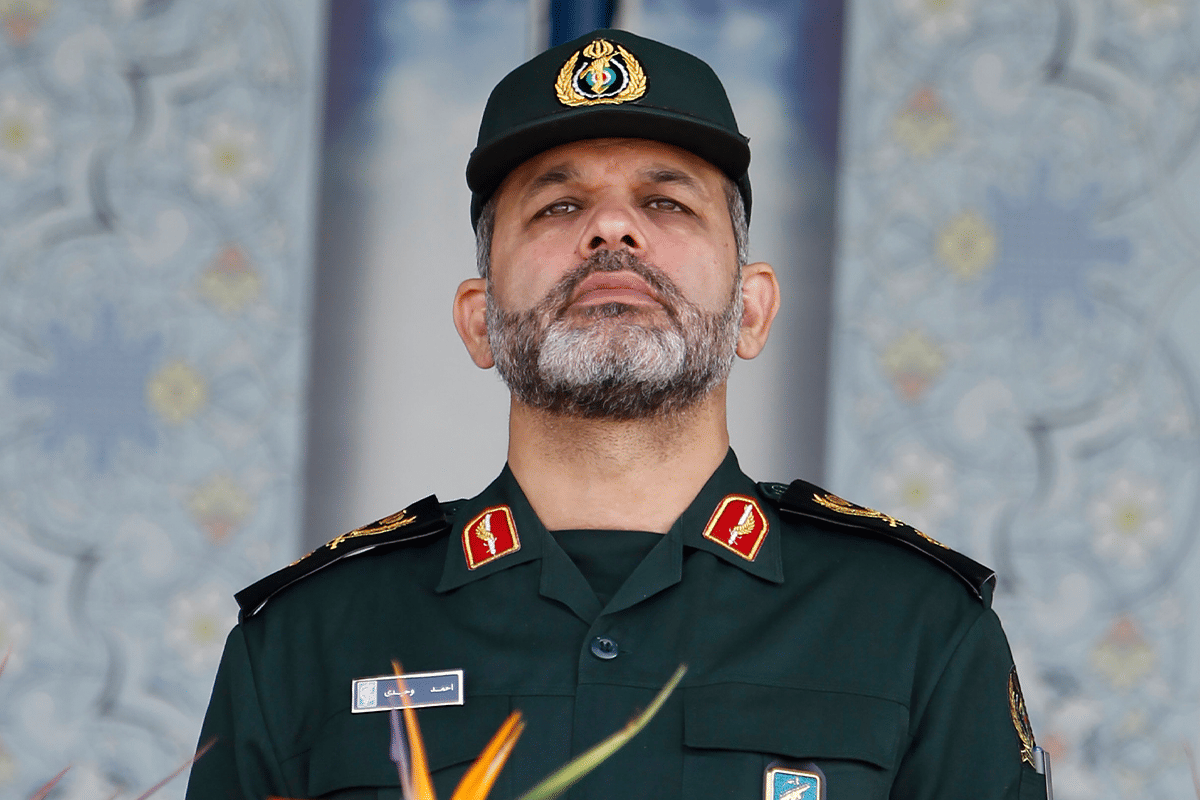
- Ahmad Vahidi: Formally appointed commander in chief of the Islamic Revolutionary Guard Corps and instructed to carry out "powerful offensive operations against the enemy."
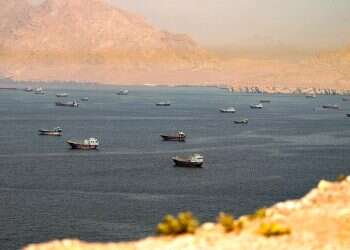
- Mohsen Rezaei: A veteran of the 1980-1988 Iran-Iraq War, appointed secretary of the Supreme National Security Council. The council has since blocked progress toward an agreement on the Strait of Hormuz.
- Hossein Taeb: A central figure in the bloody suppression of Iran's 2009 protests, brought back to lead the Basij and transform the volunteer paramilitary force into a "popular intelligence network" designed to counter what Tehran sees as deep Israeli intelligence penetration.
"Unfinished business with Trump"
The Iranian plans uncovered by intelligence officials extend well beyond missile attacks. Arab intelligence services intercepted communications indicating plans to sabotage undersea internet cables in the Persian Gulf, foment political unrest among Shiite communities in Kuwait and Bahrain, and even conduct ground operations.
One such operation was thwarted in May, when Kuwaiti forces apprehended members of the Revolutionary Guard who had arrived by fishing boat at Bubiyan Island. Kuwaiti authorities said the group had been tasked with carrying out hostile attacks.
"There is also a widespread view in Iran that the main war has not yet begun," Tehran-based defense analyst Mohammad Hassan Sangtarash, who is close to the Iranian government, told The Wall Street Journal. "What we have seen so far is increasingly interpreted through the lens of 'salami-slicing' tactics," he said, referring to limited, incremental escalation intended to weaken an adversary's capabilities before a larger confrontation.
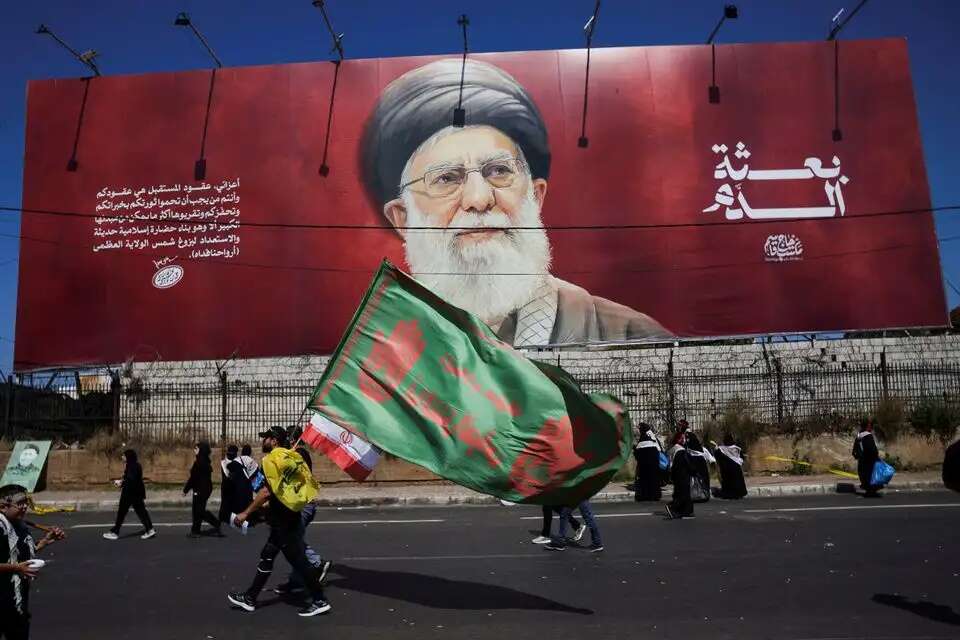
That approach, according to the report, helps explain repeated attacks in the Red Sea involving the Houthis in Yemen, as well as the use of militias in Iraq in attacks on Saudi energy infrastructure. Beyond strategy, the escalation also has a deeply personal and ideological motive: vengeance for the elimination of former Supreme Leader Ali Khamenei, Mojtaba Khamenei's father, in the opening strikes of the war.
Mehdi Mohammadi, a strategic adviser to Iran's chief negotiator and a member of the Iranian negotiating team, described one of the forces driving the continuing conflict as a "generational project for blood vengeance." "The Iranian nation still has much unfinished business with Trump," Mohammadi said. "Iran is prepared for the great confrontation."