"Light at the end of the tunnel" is usually diplomatic shorthand for wishful thinking. But for Israel and Europe, navigating collapsing alliances and a deepening ideological rift, hope is not a strategy. What's needed is a hard look at the civilizational ground the two still share.
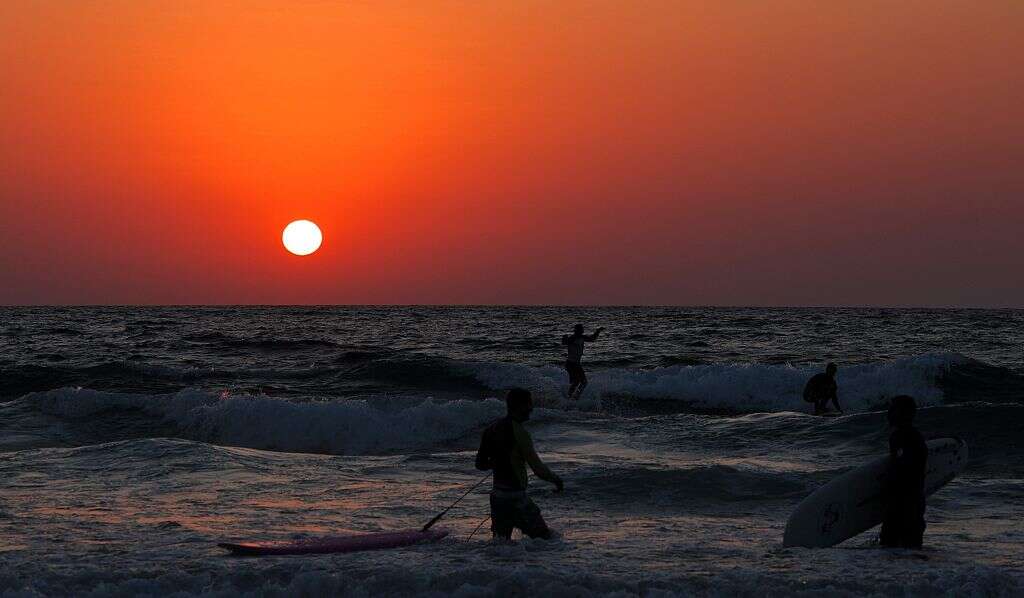
Stand on a balcony in Tel Aviv and look west across the Mediterranean toward Italy, and you're reminded this was never simply water. It was the connective tissue between Jerusalem, Athens, and Rome - the three pillars of Western civilization. Today that same basin has become a theater of civilizational contest.
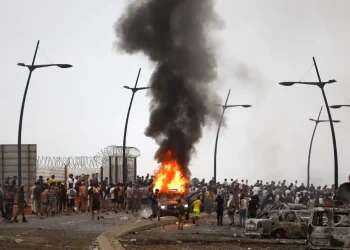
Thousands of kilometers separate Tel Aviv from Rome, but the cultural and existential waters between them are closing fast. On the other side of that divide stands a radical Islamist spectrum. At one end, raw savagery - the kind the world witnessed on October 7. At the other, those who raise the flag of friction between Islam and the West, working through soft power, financial leverage, and cultural infiltration - chief among them Qatar and Turkey - to hollow out Western societies from within. Driven by imperial ambition, this force threatens not only the eastern Mediterranean shore, but also the heart of European cities.
Against that threat, we have to defend what we actually share: individual liberty, open debate, the rule of law. Some of Europe's political elites keep their distance from Israel, but a real gap has opened between those governments and their own citizens. The true light at the end of the tunnel is the growing recognition, among European publics, that Israel's fight for survival is the West's front line.
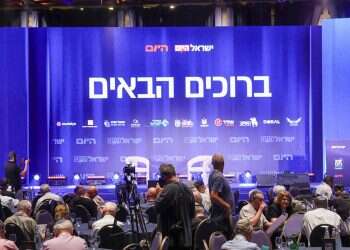
That recognition is sustained by quiet, persistent bridges. The ongoing dialogue between the editorial boards of Israel Hayom and Il Tempo is one such bridge - cultural infrastructure, not symbolism. In an age of digital noise, we must replace narratives of submission with rigorous democratic scrutiny.
That relationship also needs strategic connectivity. Projects like the India-Middle East-Europe Economic Corridor (IMEC) show how Israel functions not as an isolated outpost but as a bridge of innovation, logistics, and security linking East and West. Tangible cooperation outlasts political friction and anchors our security in a broader regional balance.
Israel's diplomatic path has weathered pressure and forced isolation before. Neither was permanent. The way forward is to reaffirm our identity as a living expression of the Jerusalem inheritance - a fiercely democratic society with the courage to permit dissent while defending human dignity without apology.
Neutrality in the face of a civilizational challenge is just a postponed decision. What crosses the Mediterranean in the decades ahead depends entirely on the choices made today. By deepening this exchange - intellectual and economic - Israel and Europe can trade an era of hypocrisy, concealment, and averted eyes for one where truth is no longer negotiable, and the values we share are no longer optional.
Omer Lachmanovitch is the editor-in-chief of Israel Hayom.
Israel Hayom and Il Tempo have recently launched a partnership based on shared values, aimed at expanding the reach of stories of international interest to audiences in both Israel and Italy.