An unusual statement issued by the Prime Minister's Office during Shabbat illustrated just how complicated Israel's strategic position has become, in this case on the Lebanese front.
The events began Friday night, when Hezbollah once again violated the fragile ceasefire by launching an explosive drone at troops operating in the Ali Taher Ridge sector, wounding three soldiers serving under the IDF Commando Brigade seriously. The IDF responded with a targeted strike on a Hezbollah headquarters and another target. According to reports from Lebanon, 11 Lebanese were killed in the strikes, including women and children, and about 20 were wounded.
Lebanese officials were quick to condemn the strikes. Criticism also came from Hezbollah's opponents, including Lebanese President Joseph Aoun and Prime Minister Nawaf Salam, who said the attacks had not targeted military objectives and were undermining efforts to establish stability in southern Lebanon. Lebanon also complained to the US about the strikes, prompting Washington to demand answers from Israel.
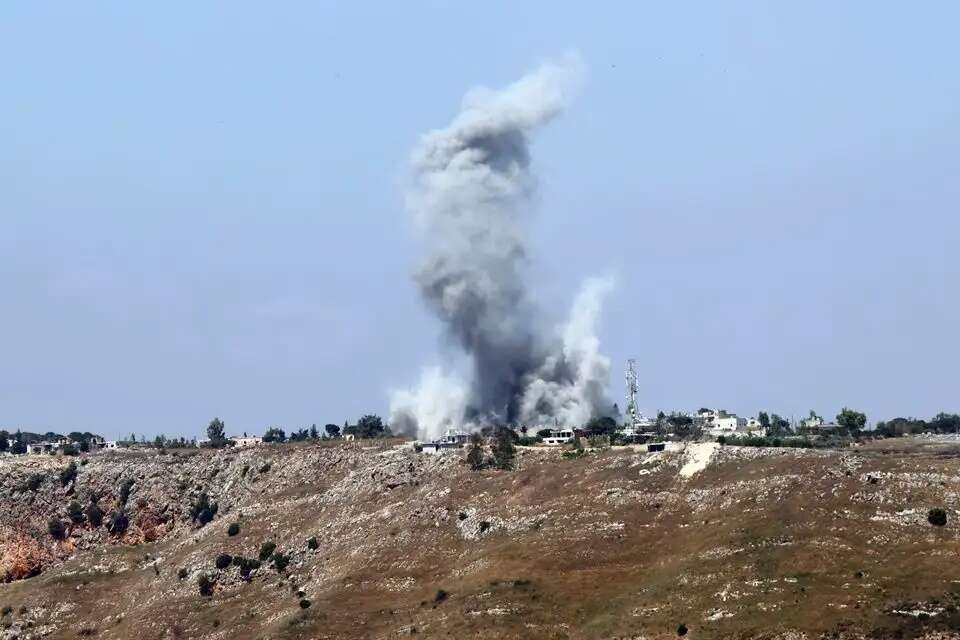
Against that backdrop, the Prime Minister's Office issued its English-language statement before Shabbat ended. The statement disclosed that three soldiers had been wounded, before the IDF Spokesperson's Unit had issued its own announcement, and said the main target of the Israeli strike was the Hezbollah headquarters from which the order to attack the IDF troops had been given. The statement disclosed classified intelligence without coordinating with the IDF.
US pressure and Israel's narrow room for maneuver
Netanyahu's office appears to have acted under US pressure and in an effort to counter an emerging international narrative blaming Israel for the deaths of innocent civilians. Israeli officials subsequently briefed media outlets that several of the civilians killed were relatives of Ali Samir al-Haj Hassan, a battalion commander in Hezbollah's elite Radwan Force, who were apparently with him during Shabbat. Israel accused Hassan of using them as human shields, although senior IDF officials acknowledged that they had not known the family members were there when the order to strike was given.
The sequence of events amounted to a localized breach of the ceasefire followed by an Israeli response, but it also demonstrated just how complex the situation in Lebanon has become. Israel and Lebanon are holding formal US-sponsored negotiations in an effort to reach an agreement, but Hezbollah also holds one of the keys to maintaining the calm. Whenever it chooses, the organization can attack and drag the parties into a new spiral of escalation. Under stringent US constraints, Israel has been left with very little room for maneuver, leaving troops in southern Lebanon exposed to constant risk.
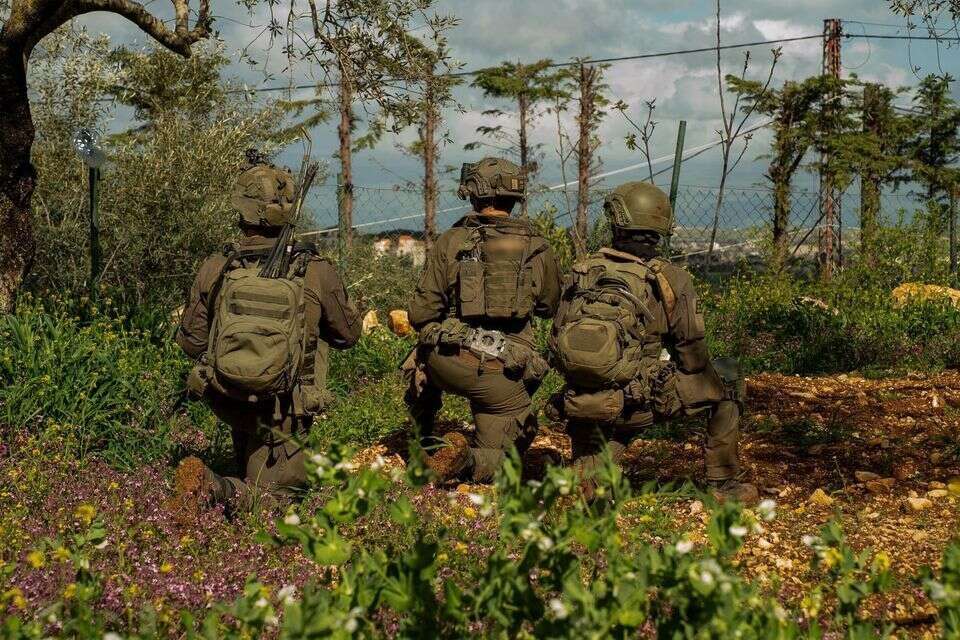
The weekend incident was not the first in recent weeks. In the previous incident, in which two soldiers were killed and four seriously wounded, it was not yet clear whether the explosive device used against the troops had been planted recently or before the ceasefire was declared. This time, Hezbollah acted in real time, knowing that it was violating the ceasefire. Its action may have been intended to send a message regarding its operatives who remain trapped in an underground compound in the area, or Hezbollah may believe it has an opportunity to sabotage the negotiations.
Palestinian front remains volatile
Unrest also continued over the weekend on the Palestinian front. In Gaza, a tank was hit by an explosive device, causing no casualties, and the incident prompted a limited IDF response. At the same time, Israeli and international media attention was focused primarily on developments in Judea and Samaria, the West Bank.
At the center of the controversy was an announcement by Defense Minister Israel Katz that he had instructed the IDF to prepare a plan to transfer all civilian law-enforcement powers to the Israel Police. The move comes amid growing criticism within the IDF over the need to divert troops from counterterrorism missions and other fronts to deal with Jewish terrorism, while the Israel Police has shown very little interest in the issue, if any.
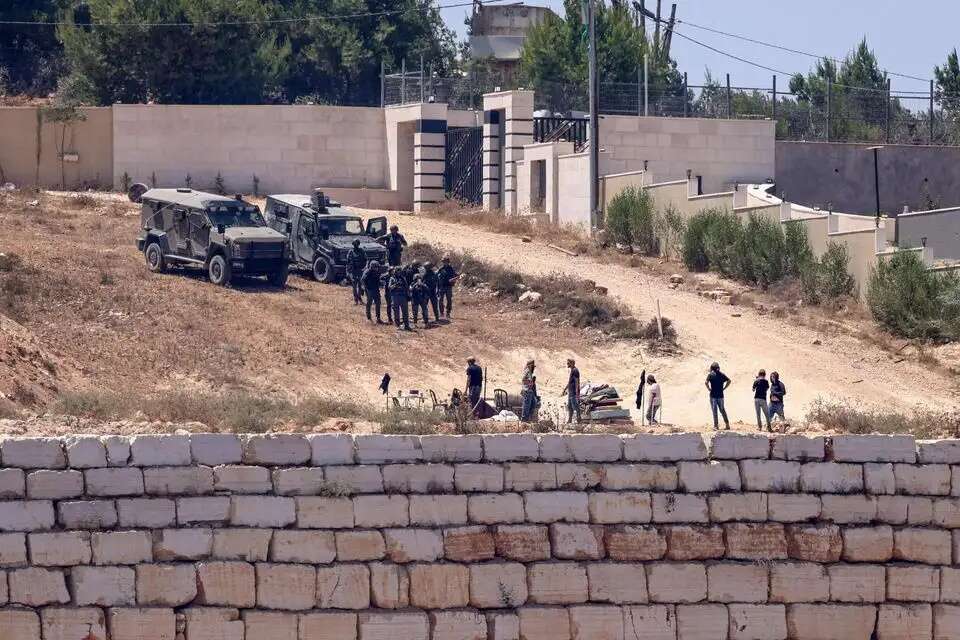
Katz, as is his habit, is trying to grab headlines and appeal to his political base, with less concern for the damage he causes. His directive has no legal foundation because the territory is considered occupied under international law, with the IDF serving as the governing military authority. His remarks nevertheless raised suspicions abroad that Israel intends to take steps amounting to the de facto annexation of Judea and Samaria.
Since the Coordinator of Government Activities in the Territories is currently conducting staff work on the issue, it would have been preferable to wait for that process to be completed and its conclusions formulated. But Katz, as always, was looking for credit and publicity, with security and the damage caused to Israel internationally damned in the process.