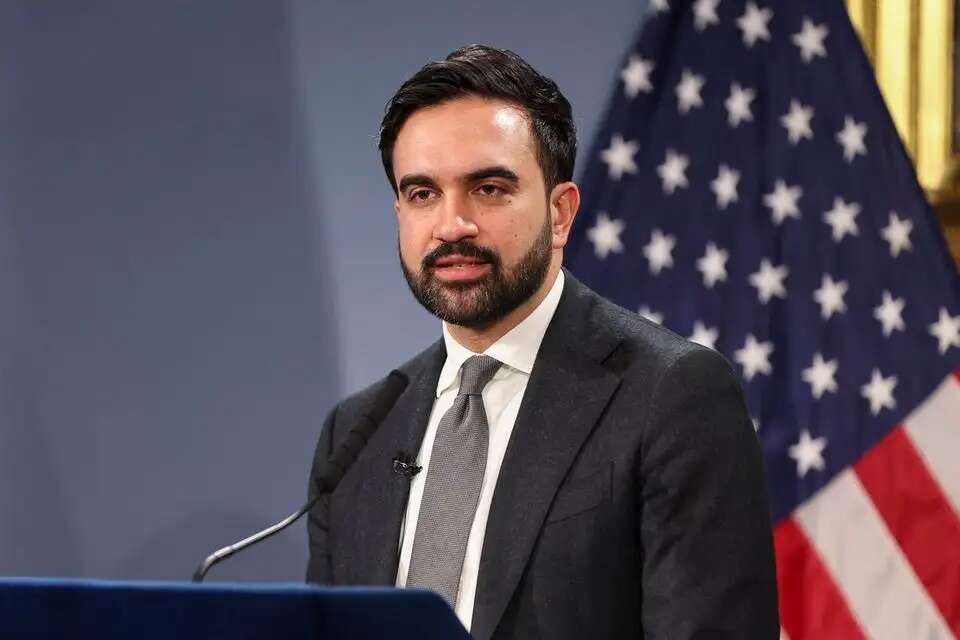
Days after New York City Mayor Zohran Mamdani held a closed-door meeting with 10 rabbis from across the religious spectrum, one participant warned that harsh rhetoric against Israel does not remain confined to political debate but spills over into real hostility toward the city's Jews.
The roughly hourlong meeting at City Hall was organized by the Mayor's Office to Combat Antisemitism. Orthodox, Conservative, Reform and other rabbis took part, with the discussion focusing on the security of Jewish New Yorkers and their sense of belonging in the city. One of the sensitive issues raised was Mamdani's own rhetoric about Israel, which some participants believe has contributed to a worsening climate for Jews in New York.
Rabbi Jonathan Leener, rabbi of Prospect Heights Shul, a liberal Orthodox community in Brooklyn, told Israel Hayom that since Oct. 7, 2023, hostility toward Israel had become part of everyday life in the city. "You see it in graffiti, at protests, on signs and in other public expressions," Leener said. "So sitting across from someone who has used very harsh rhetoric about Israel was less shocking than it would have been a few years ago. What made the meeting different was the opportunity to confront that disagreement directly, face to face."
Leener said that as a rabbi, he would not pass up an opportunity to represent the Jewish community before someone in a position of power. At the same time, he made clear that Mamdani's rhetoric could have a tangible impact on the city's Jews. "I think he wants his criticism of the Israeli government to remain separate from attitudes toward Jews," Leener said. "But in reality, the anger and hostility surrounding Israel often spill over and are directed at Jewish communities here. When Israel is repeatedly vilified in sweeping or dehumanizing terms, it becomes easier for that hostility to migrate from the political debate over Israel to Jews themselves."
Leener described the meeting as "productive, substantive and at times very vulnerable." He said Mamdani listened, responded respectfully and asked clarifying questions. "My impression was that he was genuinely engaging with us and acting in good faith," Leener said. "I came away feeling that this was a sincere effort to understand and address the issues on the table, rather than simply a political box-checking exercise."
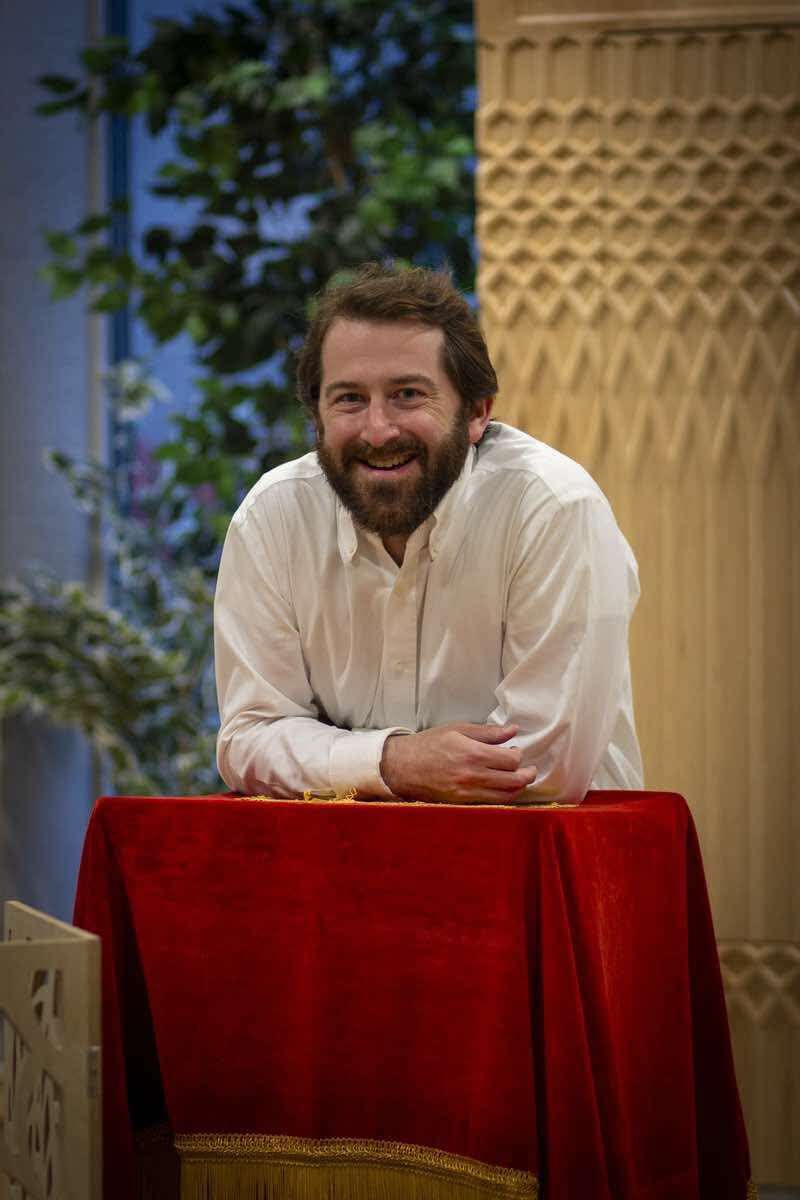
Still, Leener said he did not expect a fundamental change in the mayor's views on Israel. "I don't expect him to radically change his position, but I felt he was open to being more thoughtful about when and how he speaks about the issue, including the frequency, intensity and broader impact of his words on Jewish New Yorkers."
Leener urged Mamdani to build ties with the mainstream, moderate Jewish community rather than focusing primarily on voices from the far left and the ultra-Orthodox community. He also recommended immediately increasing New York Police Department presence around synagogues and Jewish institutions and reducing the frequency of the mayor's comments on Israel. "His positions are already known," Leener said. "If he is asked about the conflict at a news conference about subway repairs, he doesn't have to address it every time. Constantly returning to Israel keeps it at the center of attention and heightens the tension that Jewish New Yorkers are already feeling."
A source familiar with the details of the meeting, however, offered Israel Hayom a far more skeptical assessment. "I have serious doubts about the purpose of the meeting," the source said, questioning the practical role of the Mayor's Office to Combat Antisemitism and whether its work overlaps with that of the city office responsible for preventing hate crimes.
"If the goal is to fight antisemitism, it has to start with law enforcement, with arrests by the police and prosecutions by prosecutors," the source added. "I haven't heard a single word yet about education, even though education should be a central pillar of this entire effort."
The source also argued that the selection of participants and the focus on discussions about the Jewish community raised questions. "In my view, this meeting weakened the Jewish community's position rather than strengthening it," the source said. "An American Jew should know that when he walks the streets of New York, he is free, just like anyone else. There is no reason for us to become the subject of conversation over and over again."
Against that backdrop, a new Siena University poll conducted Aug. 3-6 among likely voters in New York State found that among Jewish voters, 66% viewed Mamdani unfavorably, compared with 26% who viewed him favorably, a net negative rating of 40 percentage points.