The joint defense pact signed in Mecca over the weekend by Saudi Arabia, Turkey and Pakistan marks a strategic turning point in the Middle East and South Asia. The new pan-Islamic alliance brings together the custodian of Islam's holiest sites, a nuclear power and a NATO member, and is likely to accelerate the regional and global arms race.
The development poses significant challenges for Israel, pushes the prospect of normalization with Riyadh further out of reach and cuts short the vision of a "new Middle East." Israel's appropriate response should be to immediately tighten coordination with the United Arab Emirates and India.
This did not come out of nowhere. Discussions began early this year in response to the continuing erosion of US deterrence. Washington's policy toward Iran in recent months, characterized by restraint, hesitation and an unwillingness to demonstrate force, heightened the sense of insecurity and pushed regional states to diversify their strategic sources of support.
Although the member states portray the agreement as a collective defense mechanism, a NATO-style mutual defense clause is far from a guarantee of action, as previous alliances have demonstrated, including the Saudi-Pakistani agreement signed in September 2025. At this stage, moreover, there is no indication that Pakistan is extending a nuclear umbrella to its partners.
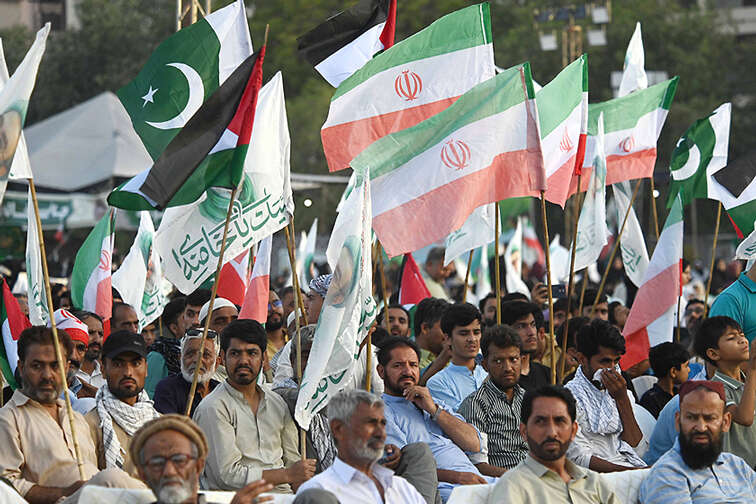
Turkey is a threat on par with Iran
After betting on regional calm only to find itself drawn into a multi-front war and a maritime blockade with devastating consequences for its energy revenues and development plans, the Saudi kingdom was left exposed. That reality forced Riyadh to make a dramatic move toward Turkey after nearly a decade of strained relations, driven in particular by the leverage Ankara derives from its military presence in and around Somalia. Alongside an accelerated military buildup, Saudi Arabia is now seeking to shape a system of strategic alliances that will provide both protection and a counterweight to its rivals.
Turkey, meanwhile, is emerging as a major threat to Israel, no less significant than Iran. Ankara will seek to use the alliance to expand its influence in the Gulf and challenge Israel both diplomatically and militarily. Pakistan, for its part, continues to consolidate its position as an influential player while demonstrating the value of its strategic assets to the US amid the continuing deadlock and lack of a solution to the confrontation with Iran.
Islamabad has a long history of cooperation with Riyadh. Their security relationship has traditionally rested on a bilateral arrangement in which Saudi Arabia provided financial and energy support while Pakistan supplied military capabilities and personnel. The defense agreement signed last year, intended to demonstrate both Islamic unity and military strength, already marked a significant step-up for those ties.
At the same time, the Ankara-Islamabad axis is gaining momentum, with security procurement and industry at its core. Turkey is now Pakistan's second-largest arms supplier, and the two countries are moving beyond off-the-shelf procurement toward deeper cooperation involving the joint development and production of technology from the ground up. More recently, at an industry exhibition held in Pakistan with representatives from 32 institutions in the two countries, Turkish Defense Minister Yaşar Güler said an official agreement for Pakistani participation in the development and production of the KAAN fighter jet was close to completion. The relationship became particularly significant during the India-Pakistan confrontation in May 2025.
A trilateral framework modeled on the "Mecca agreement" could now give this cooperation a dramatic boost. Massive Saudi financial backing, from a country that ranks among the world's highest military spenders, would allow Riyadh to tighten its control over defense-sector supply chains. At the same time, Saudi Arabia and Pakistan would gain faster access to advanced defense technologies, intelligence cooperation, and Turkish expertise and training. Riyadh's drive to reorganize its security architecture would also expand the joint development of military platforms, particularly drones, naval systems and future fighter-aircraft programs.
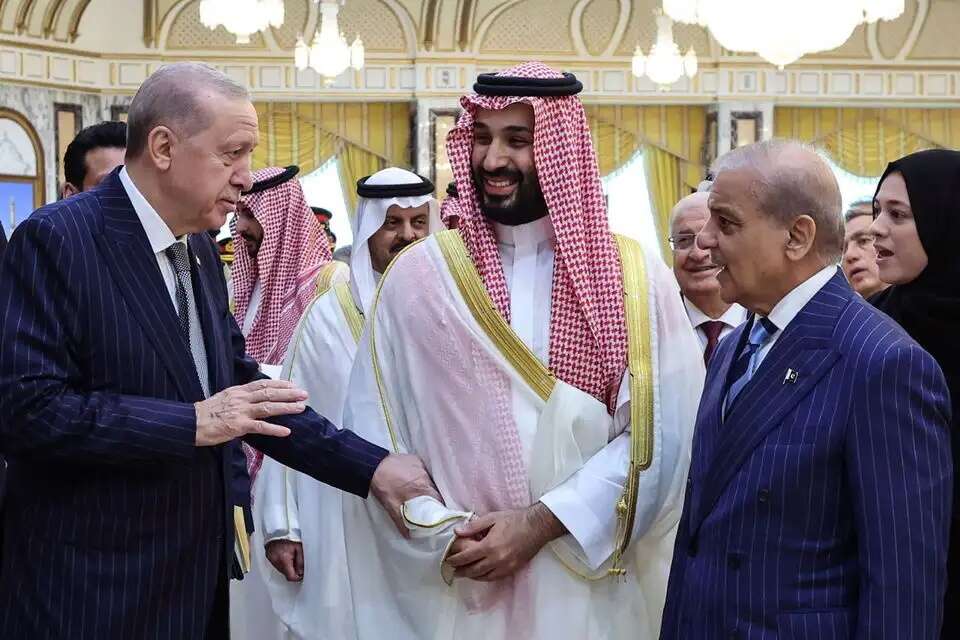
A trilateral axis calls for a trilateral response
The new reality, in which Saudi Arabia is moving away from normalization talks and Turkey is emerging as a central threat, requires Israel to adopt a strategy based on two parallel axes.
The first is already operating in the Mediterranean through Israel's ties with Greece and Cyprus, giving Jerusalem an essential counterweight to Turkish influence, particularly against Ankara's growing relationship with the new government in Damascus led by Ahmed al-Sharaa.
The second axis faces east and should focus on establishing and stabilizing a strategic triangle comprising Israel, the United Arab Emirates and India.
The UAE, which has watched the expansion of Turkish influence in the Middle East with concern, particularly because of Ankara's links to political Islamist movements including the Muslim Brotherhood, is likely to find itself at the center of a new source of friction with Riyadh. The Emirates, it should be recalled, was the leading Arab state to break with the long-standing regional consensus and establish formal relations with Israel under the 2020 Abraham Accords. Since then, Abu Dhabi has further deepened and expanded its strategic and defense cooperation with Jerusalem, despite public criticism from senior Emirati officials over Israel's fighting in Gaza and Lebanon.
Although the UAE imports fewer weapons than Saudi Arabia, it nevertheless ranks among the world's major arms buyers, reflecting a clear strategy: "small but lethal." Abu Dhabi's policy of diversifying its suppliers, born of necessity during the Obama administration, led it to deepen its strategic and defense partnership with Israel while rapidly strengthening its alignment with India. Cooperation with New Delhi has since moved to a new level with the signing of a strategic framework agreement, culminating in a multibillion-dollar deal now taking shape for the acquisition of BrahMos missiles.
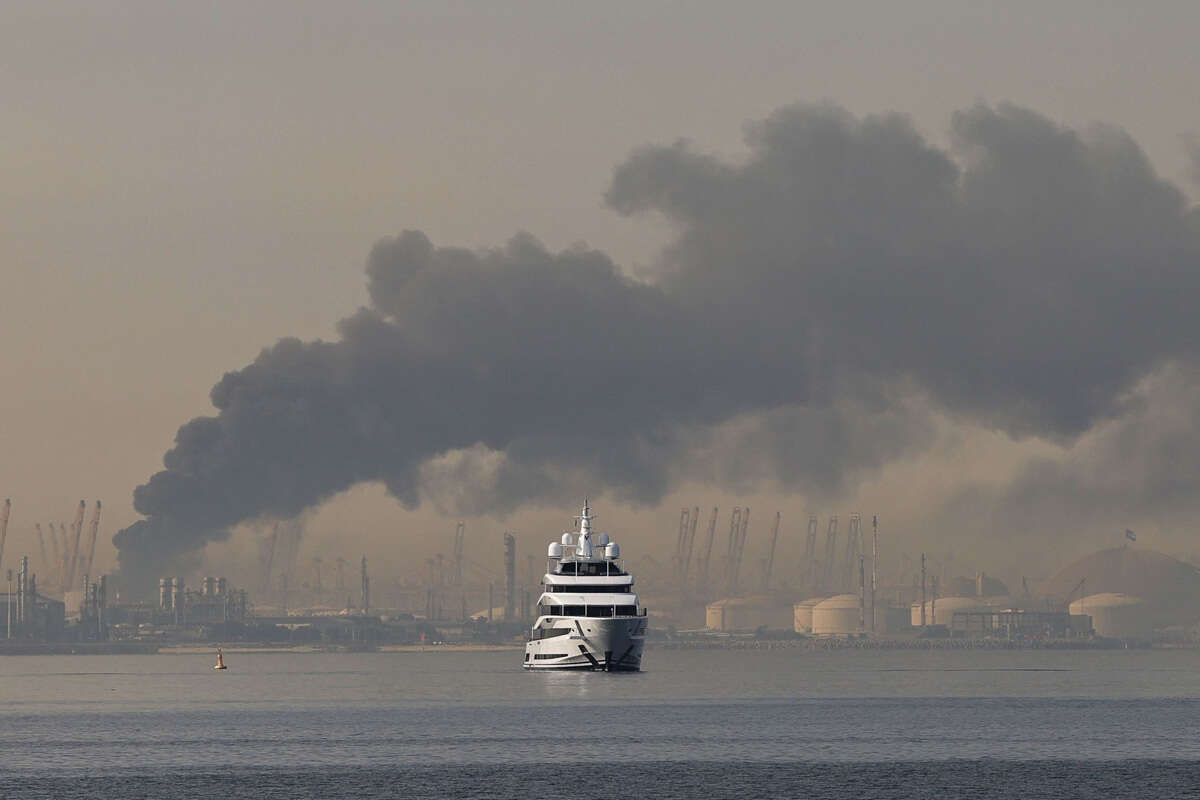
The India card
The new agreement has also put India on heightened alert. New Delhi is concerned not only about the military strengthening of its Pakistani rival, but also that Pakistan could become a conduit through which Turkey expands its strategic footprint in South Asia. Against this backdrop, India will likely have to deepen coordination with countries affected by Turkey's expanding reach, strengthen its defense and intelligence capabilities, and build additional regional partnerships in maritime security, intelligence and economics.
Faced with an emerging trilateral alliance that gives its members an end-to-end advantage, from technological development through low-cost mass production, the importance of a counter-triangle becomes clear: Israel, the United Arab Emirates and India.
Strategic relations between Jerusalem and New Delhi, which flourished under the leadership of Prime Minister Benjamin Netanyahu and Indian Prime Minister Narendra Modi and produced diplomatic backing, military assistance and an expansion of production lines, are emerging as a critical component of Israel's national resilience in the face of the threat of arms embargoes and international isolation. Throughout this process, the three countries have been bound by overlapping interests, close relations and a deep foundation of mutual trust. That makes such an alliance an essential geopolitical anchor for stabilizing the region and containing the threats now taking shape.
Dr. Oshrit Birvadker is an expert on India's foreign and national security policy, as well as a business development expert and entrepreneur. She is a senior research fellow at the Jerusalem Institute for Strategy and Security (JISS).