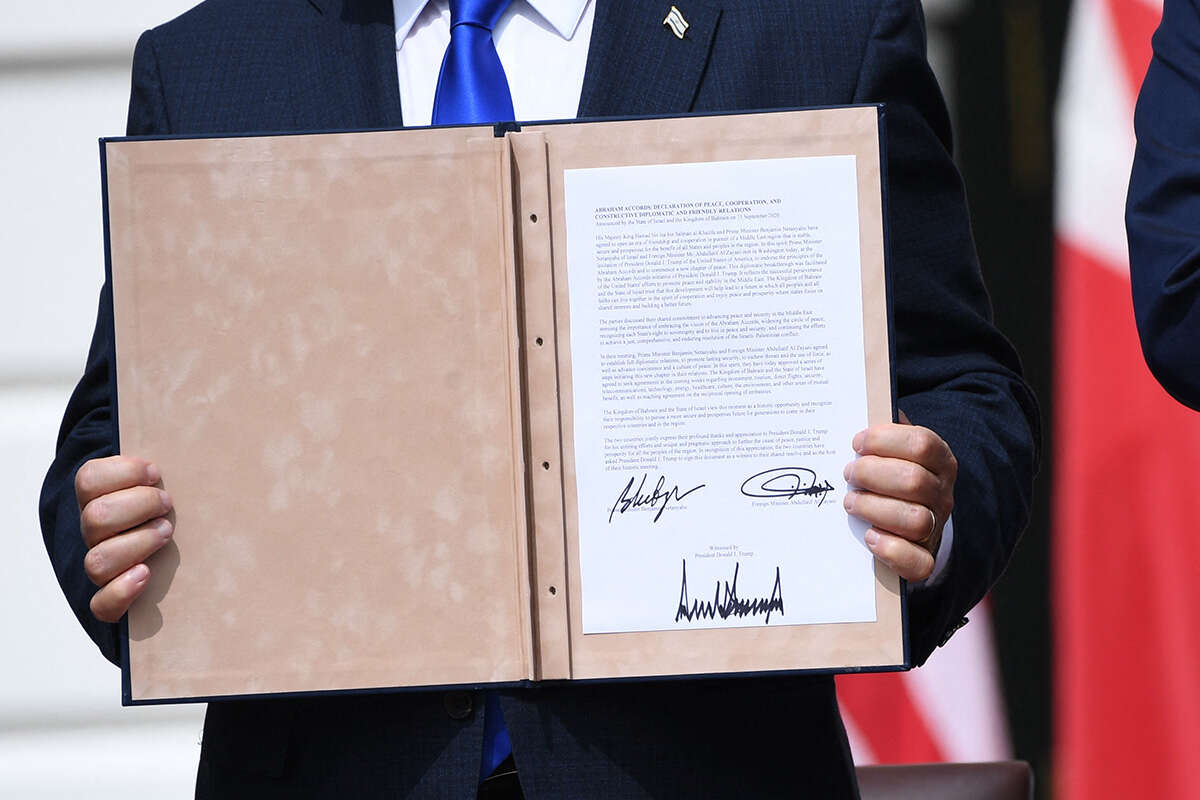
A disturbing secret proposal emerged during talks between countries in the Middle East: Officials in one country advised another to sign an agreement with Israel as a tactical move aimed at "lulling" Israel into a false sense of security while using the time to prepare for a larger military confrontation against it, Kan 11 reported Monday, citing knowledgeable sources.
According to the report, the discussions between the two sides took place in recent months. During the talks, officials proposed that their counterparts show flexibility toward Israel and work to advance an agreement with it, but not with the intention of treating it as a long-term arrangement.
Instead, according to the report, the proposal was to use the period covered by the agreement to "lull" Israel while simultaneously preparing for war against it. Once conditions were considered ripe, the agreement could be broken and a confrontation launched. The identities of the countries involved in the discussions cannot be published.
The revelation raises questions about how Israel assesses the intentions of countries in the region, particularly against the backdrop of efforts to advance normalization agreements.
Kan 11 raised the question of whether Israel could once again find itself fundamentally misreading the other side's intentions, as it did in the period preceding Hamas' Oct. 7, 2023 attack, and whether an apparent willingness to move closer to Israel could, at least in some cases, serve as cover for preparations for a future confrontation.
The report comes during a period of significant changes in the Middle East balance of power, against the backdrop of the war with Iran and the emergence of new alliances among countries in the region.
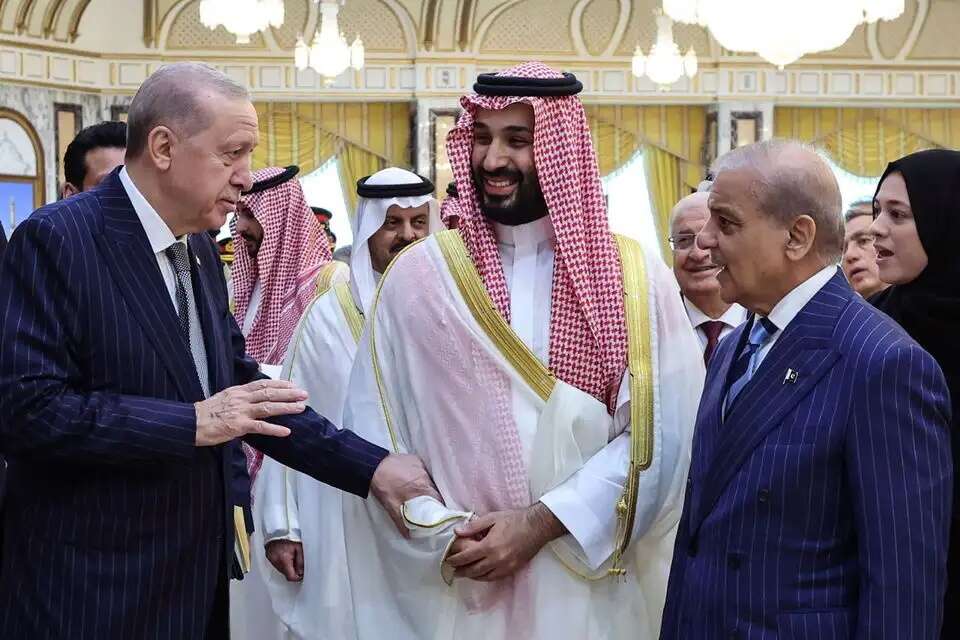
On Friday, Saudi Arabia, Turkey and Pakistan signed the Mecca Joint Defense Agreement, a trilateral defense pact stipulating that an armed attack against any one of the three countries would be considered an attack against all of them. The agreement was signed in Mecca on Aug. 7 by Saudi Crown Prince Mohammed bin Salman, Turkish President Recep Tayyip Erdogan and Pakistani Prime Minister Shehbaz Sharif.
After Iranian officials argued that the agreement would not protect Saudi Arabia, Turkish Foreign Minister Hakan Fidan sought to ease tensions, making clear that the alliance was not directed against Tehran or any other country. Fidan also said Egypt could potentially join the agreement, which would turn the new regional alliance into a four-country grouping.