The October 7 War, followed by two wars against Iran, has transformed the Middle East and Israel's strategic position in the region. In two months, three years will have passed since the conflict that upended the Middle East began, and Israel remains engaged in open conflict of varying intensity on four main fronts: Iran, Gaza, Lebanon and Syria.
The situation on all four interconnected fronts offers little indication that any of them is nearing a conclusion, although processes and negotiations are underway in each that could eventually produce solutions, allowing Israel to begin returning to normal and turn its attention back to domestic issues.
All four fronts are looking ahead to two dates: Israel's elections in late October and the US midterm elections in early November.
Iran: The key to everything
The current period can best be described as one of playing for time. All sides are delaying in an effort to improve their positions ahead of the next round. US President Donald Trump is postponing a decision both because an intensive military offensive would not necessarily bring the Iranian regime closer to collapse at this stage and because he is looking ahead to the US congressional midterm elections, where he is fighting to preserve the Republican majority.
Maintaining that majority is essential for Trump if he is to carry out the reforms and sweeping changes he has already begun and intends to continue advancing during the second half of his term. Congressional support is also important for continuing the war against Iran. His main concern is that renewed fighting now, particularly if it drives up gasoline prices, could cost Republicans the majority they currently hold.

Military considerations also favor delaying further action, amid depleted stocks of missiles, bombs and, above all, interceptors.
Israel's concern is that the midterms could result in Democrats defeating Republicans in Congress. Such a loss of political power could draw Trump into domestic political battles and prevent him from bringing the Iranian issue to a conclusion.
The poverty line
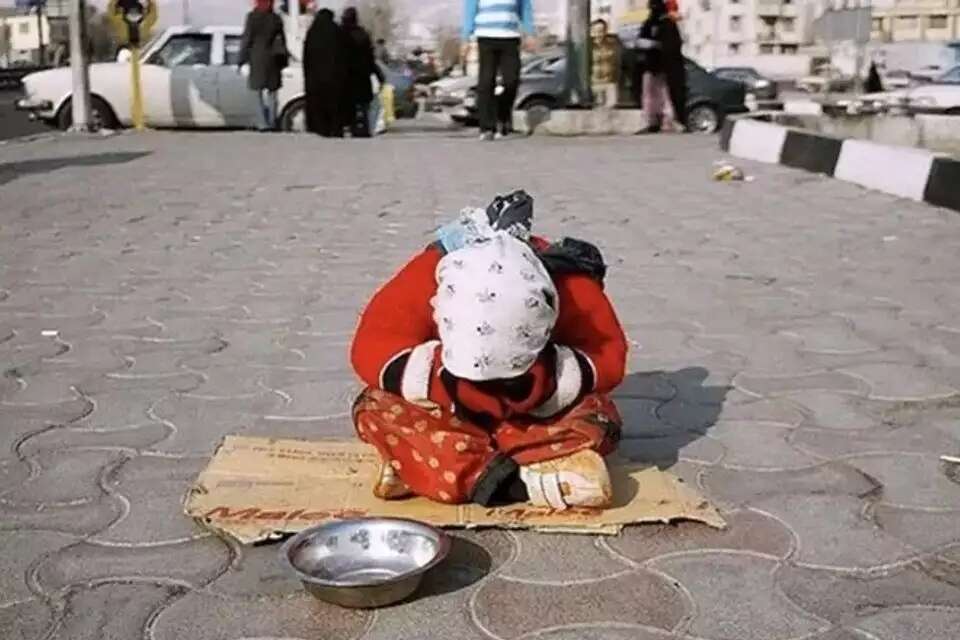
On the other hand, the more optimistic factor is the collapse of Iran's economy. New data emerge almost daily pointing to the scale of the crisis: enormous domestic and foreign debts, bankruptcies, a majority of the population falling below the poverty line, 55% according to external figures, and the freezing of accounts belonging to the National Iranian Oil Company by an Iranian state-owned bank over massive debts, among other developments.
Pay in the civilian public sector has been cut in half, as have pension payments. At some point, the implication is that entire sectors will begin shutting down. The hope and expectation across the Middle East and in Washington is that once the economy grinds to a complete halt, and the salaries of members of the Basij militia and the Islamic Revolutionary Guard Corps are also cut, the regime will begin to collapse in practice.
Iran is also aware of this danger, which is why there are concerns that Tehran will soon no longer be able to keep dragging out negotiations. It could intensify attacks on tankers passing through the Strait of Hormuz in an attempt to force the US to respond, creating an escalation that would hurt Trump's prospects in the midterm elections. For now, Hormuz is closed to Iranian shipping and partially open to everyone else.
This situation also affects the other conflicts in which Israel is directly involved. As long as the Iranian issue remains unresolved, those conflicts will remain open as well, because they are directed wholly or partly from Tehran.
Gaza: Trick or disarmament?
Iranian influence is weaker here than in Lebanon, which may help explain Hamas' surprising agreement to a deal under which it would surrender its weapons.
Hamas' defining slogan is muqawama, or armed resistance, and weapons are its symbol. The very fact that it has agreed to surrender them, even if it has no genuine intention of doing so, amounts to a kind of revolution. It stems directly from Israel's military achievements in the Gaza Strip and Iran, which have placed enormous pressure on the Palestinian terrorist organization and led it to conclude that there is no way out other than an agreement.
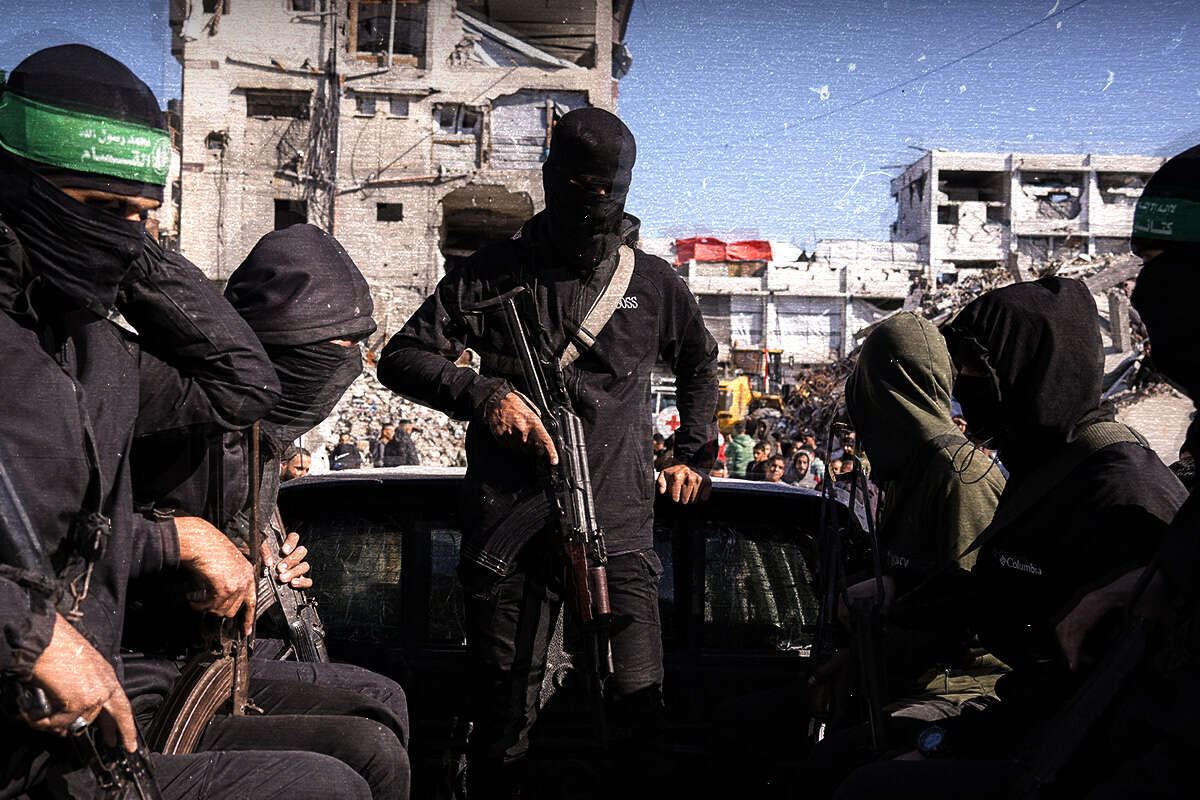
The arrangement reached with the Board of Peace includes the surrender of weapons, while leaving them within Hamas' reach under the "supervision" of the Palestinian technocratic government, which itself is close to the Palestinian Authority, and under the oversight of International Stabilization Force troops from Morocco, Uganda and Kosovo.
Can Israel afford to leave responsibility for enforcing Hamas' disarmament to others? According to Board of Peace Director-General Nickolay Mladenov, the answer is yes. He argues that unless implementation is carried out to Israel's satisfaction, there will be no progress to the next stages, including reconstruction of the Gaza Strip and Israel Defense Forces withdrawals. At the same time, he dismisses Israeli concerns about the presence of Turkey and Qatar on the committee overseeing implementation.
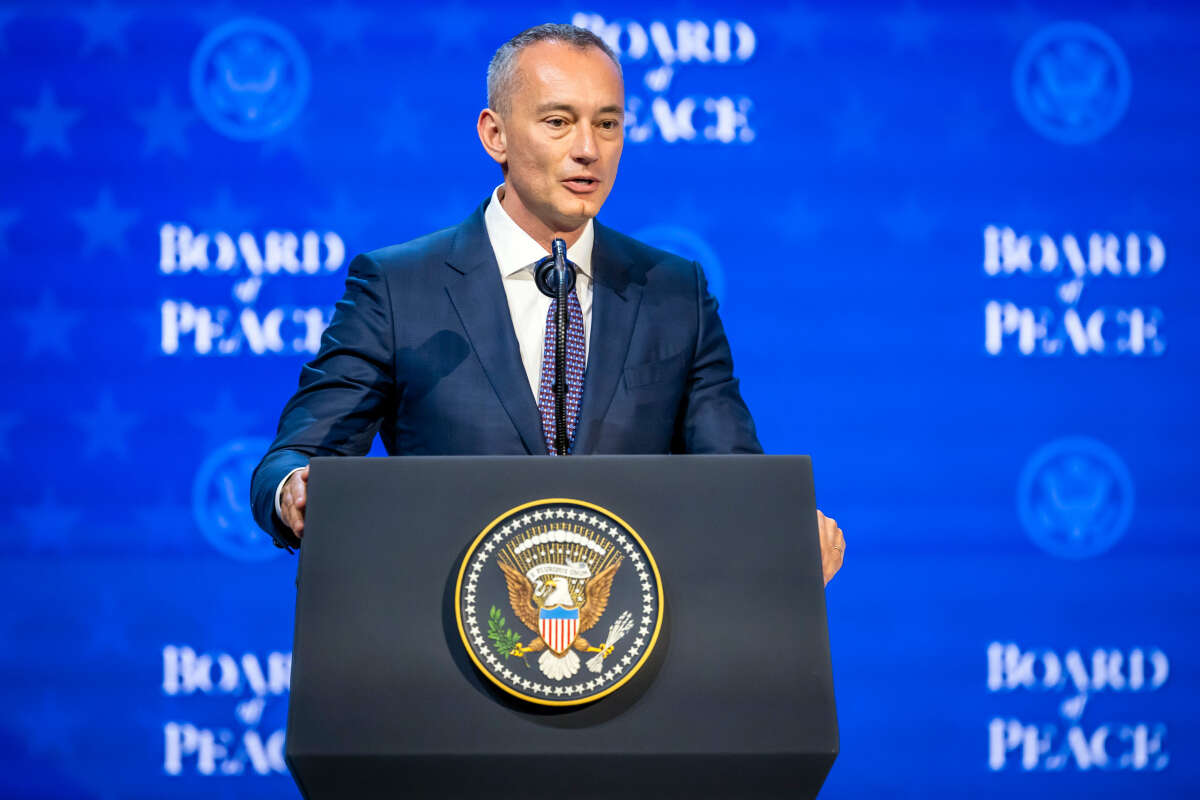
The reality on the ground is that despite Prime Minister Benjamin Netanyahu's unequivocal declaration that Israel would not accept the 15-point plan, the IDF has redeployed close to the Yellow Line and has effectively halted major offensive operations, as required by the Board of Peace document.
Talks with the US are nevertheless continuing, with the aim of establishing effective verification and oversight mechanisms for the disarmament process. Mladenov and the Board of Peace intend to begin with pilot areas, the first of them in Rafah, where Hamas' control is already relatively weak and clans opposed to the terrorist organization are stronger.
Will President Trump throw his full weight behind an effort to force Netanyahu to agree? That appears unlikely, not least because of the broad Israeli consensus opposing withdrawals without the demilitarization of the Gaza Strip. The substantive stages of actually surrendering weapons are therefore unlikely to begin soon. They depend on final agreements being reached with Israel and on foreign forces entering the territory, and those forces are not yet ready.
Lebanon: Optimism, but with potential for escalation
The Lebanese front is relatively optimistic, but it too carries considerable potential for escalation because of the uncertainty surrounding what comes next.
On the one hand, the Israeli and Lebanese governments, taking advantage of Hezbollah's dramatic weakening, are negotiating on the basis of a framework agreement signed in Washington about two months ago. This channel, led by US Secretary of State Marco Rubio, prevailed over an approach associated with Vice President JD Vance, who tried unsuccessfully to link the Lebanese front to the Iranian one.
The understandings are there in principle: an end to Hezbollah's military control in Lebanon, followed by an IDF withdrawal. Implementation, however, is challenging, chiefly because of the weakness of the Lebanese Armed Forces.
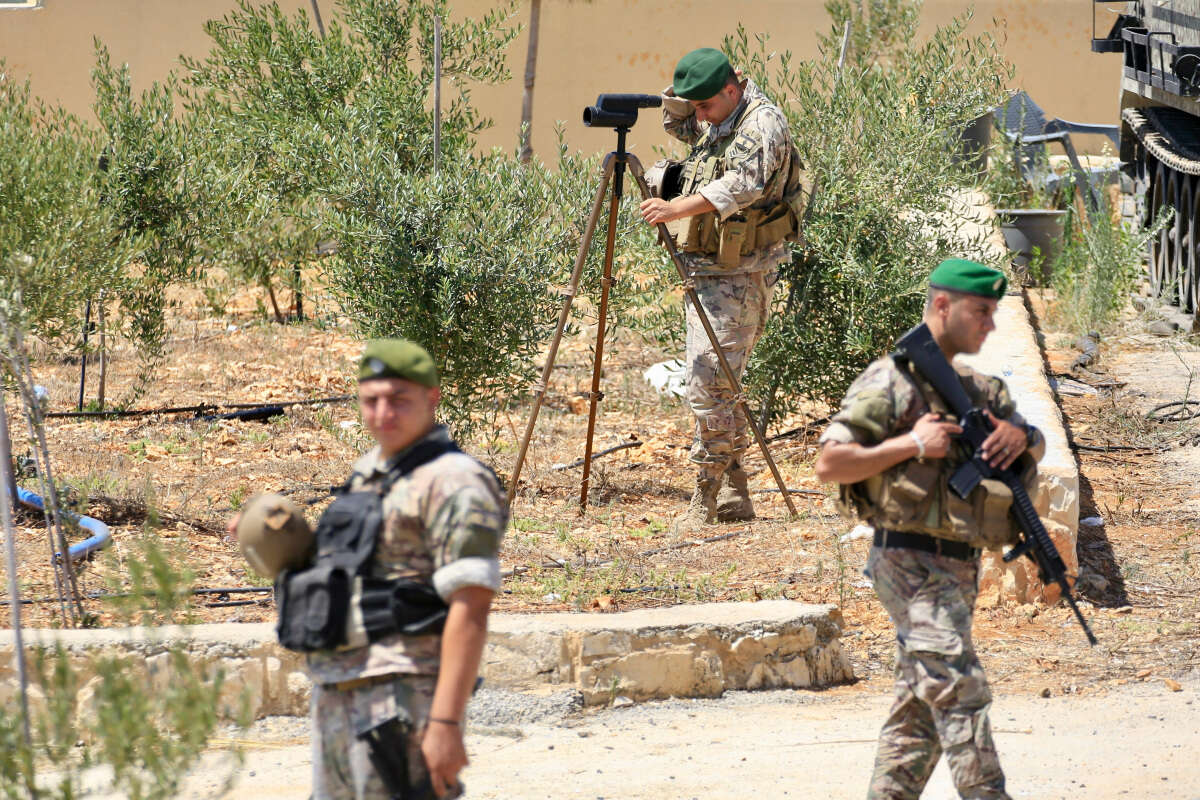
For now, Israel is allowing pilot projects in several small villages where Lebanese soldiers are supposed to "clear" the area of Hezbollah and its weapons. So far, however, they have not faced a genuine test involving a direct confrontation with Hezbollah.
Everyone knows that the Lebanese military has no real capacity to disarm the Shiite terrorist organization. Various alternatives have therefore been floated, including the use of foreign forces; troops belonging to Syrian President Ahmad al-Sharaa's government, an idea that has so far been rejected; the deployment of Western forces, possibly Italian or French; and strengthening the Lebanese military through training and equipment.
The French are trying to promote an economic solution: enticing lower-ranking Hezbollah members to switch sides and serve in Lebanon's official military. Yet, Hezbollah currently pays salaries several times higher than those received by Lebanese soldiers. The aim, therefore, would be to neutralize that advantage and thin Hezbollah's ranks.
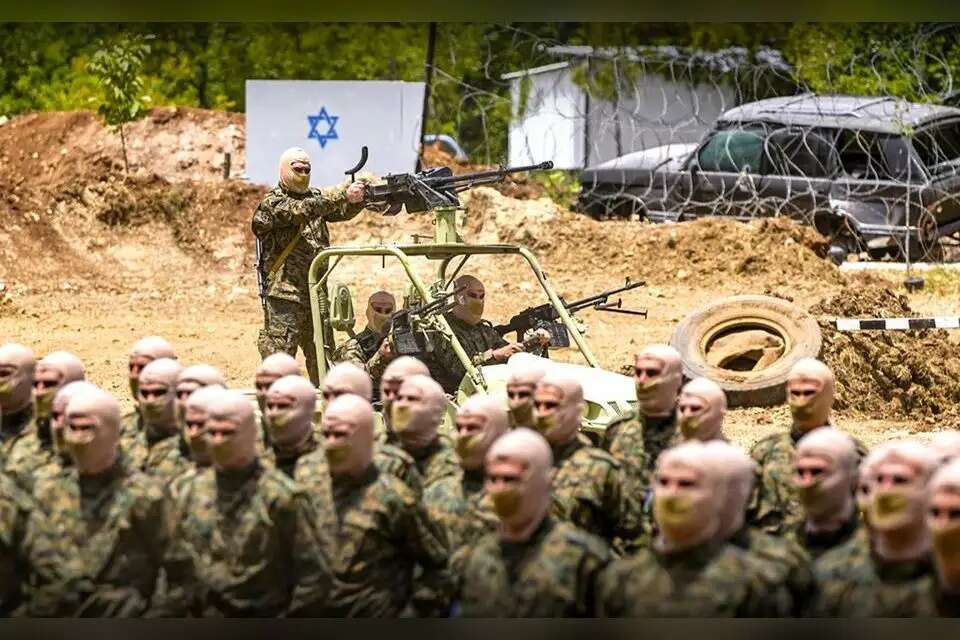
Meanwhile, IDF troops remain in the security zone and continue uncovering Hezbollah tunnels and hideouts. The terrorist organization itself has refrained from responding or attacking, fearing a harsh Israeli response against its strongholds in Beirut and the Beqaa Valley.
Israel, for its part, is refraining from operating in those areas in coordination with the Americans, in order to allow negotiations with the Lebanese government to continue. Here too, the talks are moving slowly, with no expectation of dramatic progress before the confrontation with Iran is resolved and Hezbollah loses its principal source of power and funding.
Syria: Relative quiet
Syria is the quietest of the four fronts, largely because the forces most likely to trigger escalation, militias and terrorist cells linked to Iran, have been almost completely eliminated, particularly in areas close to Israel.
The IDF is deployed at several commanding positions, above all on the summit of Mount Hermon, which overlooks territory as far as Damascus, and Israel has no intention of withdrawing without a detailed, enforceable security agreement.
Turkey's influence over the government in Damascus is another source of concern. Israel does not trust Syrian President Ahmad al-Sharaa, who only months ago was a bloodthirsty Islamist terrorist with an official US bounty on his head.

But the "laundered" terrorist has an interest in maintaining calm in Syria, as do all the Arab countries in the region, for reasons connected to the war with Iran. Syria is expected to play a central role in a project intended to bypass the Strait of Hormuz by means of pipelines running from the Gulf to the Syrian port of Baniyas.
US companies, including Chevron, have already signed contracts and are beginning construction of the pipelines, which helps explain, among other things, President Trump's overly warm support for al-Sharaa.
Talks between Israel and Syria have stalled because the government in Damascus is unwilling to provide guarantees protecting the Druze and Kurds, while Israel is unwilling to withdraw without safeguards preventing terrorist attacks from Syrian territory. Even so, security incidents remain isolated. The IDF controls the entire area stretching toward Damascus, and here too everyone is waiting for new initiatives that, it appears, will not arrive until after the elections in Israel and the US.
On one of the three fronts other than Iran, or perhaps on all three, the US could launch an initiative aimed at securing a diplomatic achievement that would benefit President Trump and the Republicans.
According to diplomatic sources in the region and in Washington, however, the likelihood of such a move is not high. Diplomatic activity is instead expected to focus on attempts to advance processes already underway, such as the Board of Peace initiative in Gaza.