Iranian President Masoud Pezeshkian said in an interview with Iranian media Saturday that the time was ripe for negotiations with the United States and that Iran should enter them while it was "perceived as the winner." His comments came shortly after the United Kingdom Maritime Trade Operations reported an attack on a vessel in the Strait of Hormuz, in a shipping lane not authorized by Iran.
"Now is the best time for an agreement because Iran is 'strong and united and perceived as having won the war,'" Pezeshkian said. "To survive, we have to know what we're doing: when to fight, when to make peace, and when simply to mind our own business while they mind theirs."

Pezeshkian defended the memorandum of understanding with the United States, saying, "We strongly defend the memorandum of understanding we signed. Find me one clause in which we surrendered. Some of our critics continue to insist on war, and that is exactly what Israel wants. If they try to force us to surrender, we will fight. We will not surrender, and we will not bow our heads. But when we can guarantee our rights, why should we continue the conflict? That is what Israel wants."
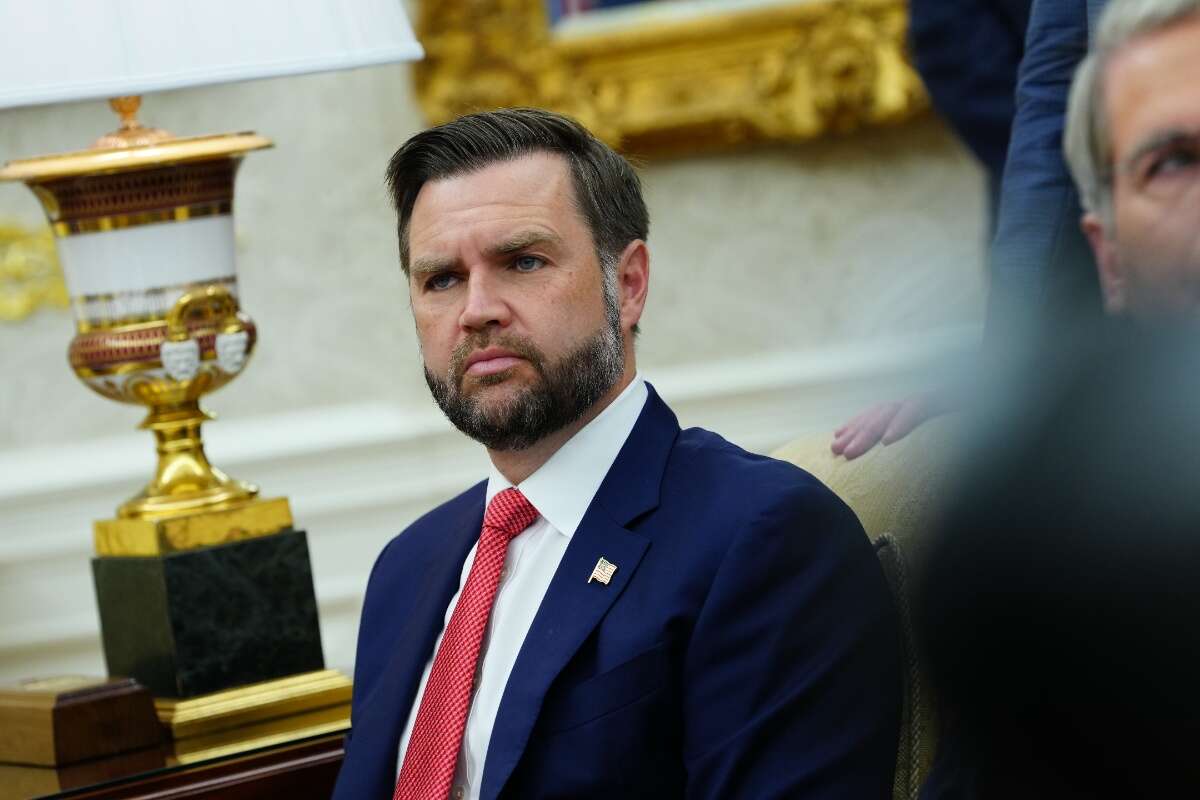
Meanwhile, US Vice President JD Vance addressed the negotiations with Iran, saying, "What we're really working through now is how you can actually set up a traffic scheme so that the ships that pass can pass through safely." He said that would include a commitment by Iran not to fire on commercial vessels.
"We're in the middle of the game. This thing isn't over," Vance said. "Our expectation is that the same oil and gas will come out of the Gulf that you saw before the conflict began. The Iranians have told us that. But we don't trust, we verify."
'The US blockade is working'
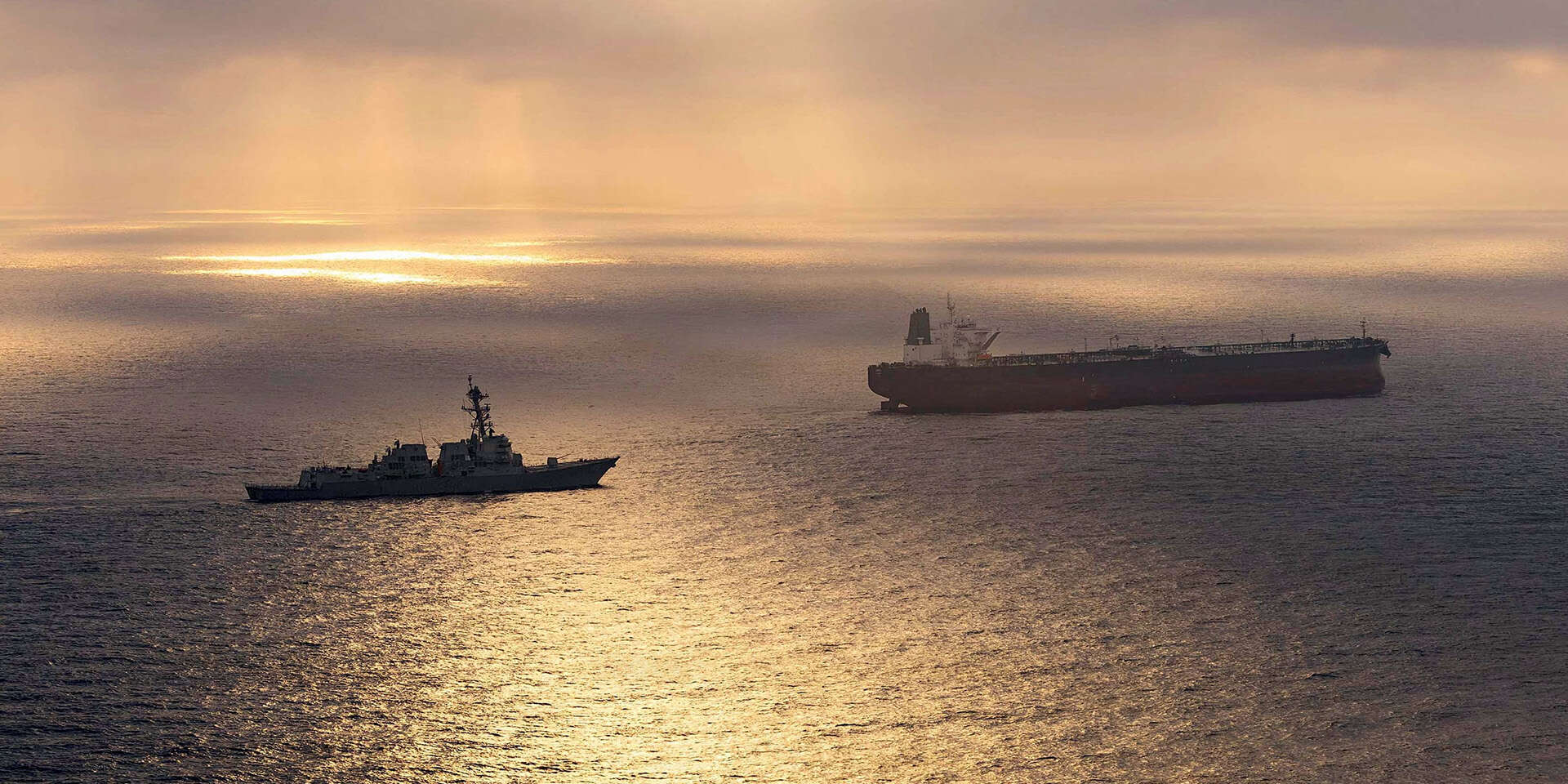
The US naval blockade of Iran has brought Iranian oil exports from the Persian Gulf to a near standstill, the Financial Times reported, citing satellite imagery and shipping data.
No tanker had loaded oil at Kharg Island, Iran's main oil export terminal, for at least a week, according to the report. Maritime intelligence company Windward said all three loading berths on the island had been empty for "a sustained period." Roughly nine out of every 10 barrels of crude exported by Iran are loaded at Kharg Island in the northern Persian Gulf because much of the country's coastline is too shallow to accommodate large tankers.
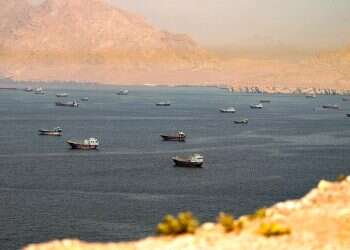
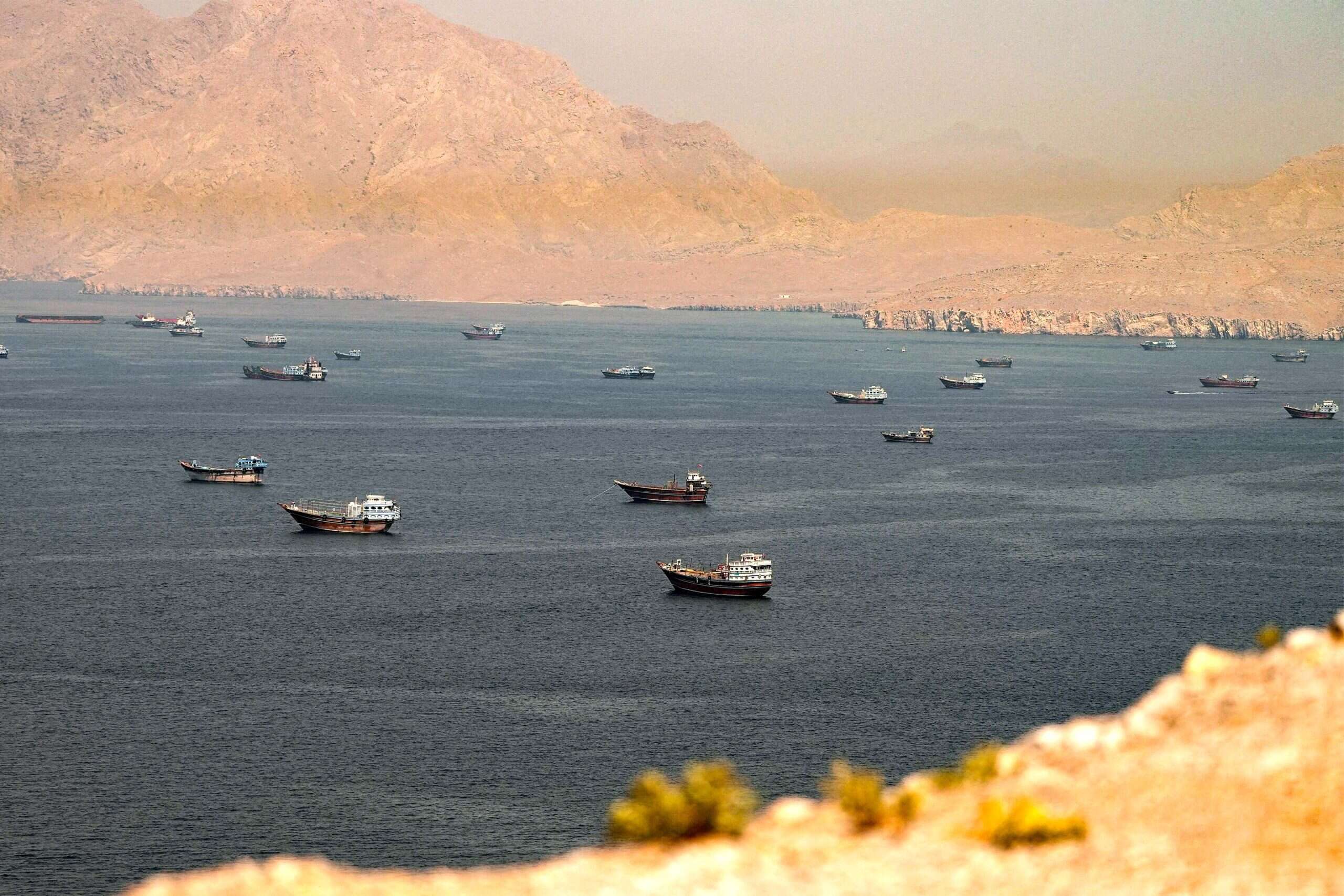
Despite that pressure, Tehran appears to believe it has the upper hand and is closer than ever to an agreement that would enshrine Iran's claim to a role in managing traffic through the Strait of Hormuz, one of the world's most important shipping routes. Before the war, roughly one-fifth of the world's oil and natural gas passed through the strait.
Iranian Foreign Minister Abbas Araghchi said Friday that Iran and Oman were "very close" to an agreement on a new shipping route through the strait, but stressed that any arrangement would be subject to conditions, including compensation for what Tehran describes as US violations of the memorandum of understanding.
Washington has also projected optimism, although US support for an agreement granting Iran such an achievement would have been almost inconceivable before the war. A senior US official told Reuters that "there is progress between Oman and Iran regarding the strait, and we expect an agreement soon," adding that "once an agreement is announced restoring uninterrupted commercial shipping, the US will lift the blockade on Iranian ports." The official cautioned, however, that "as always, US actions will remain performance-based and tied to Iran's implementation of its commitments."
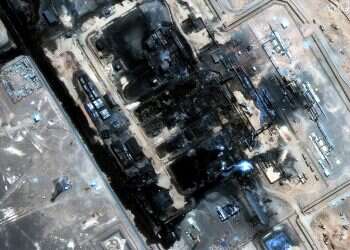
On the ground, meanwhile, Iran continues to demonstrate the leverage it has gained during the war. The United Arab Emirates said a vessel operated by its state-owned oil company was struck by a missile early Saturday while transiting the Strait of Hormuz. The official Emirates News Agency, WAM, said on behalf of the company that the situation was under control and that no casualties had been reported.
The Emirati Foreign Ministry later condemned what it called the "hostile Iranian attack," saying it violated a UN Security Council resolution on freedom of navigation and accusing Iran's Islamic Revolutionary Guard Corps of "acts of piracy" by attacking commercial shipping and using the strait as a tool of economic pressure.
Reports that Washington is looking for a way to end the saga have also continued. According to CNN, Chairman of the US Joint Chiefs of Staff Gen. Dan Caine has made clear in conversations with senior Trump administration officials in recent weeks that the United States needs to find a way out of the war because the escalation options under consideration could "boomerang" against it and air power alone would not achieve the objectives set by the president. "Caine is looking for an off-ramp," one source told the network. Caine also raised his concerns with CIA Director John Ratcliffe, Secretary of State Marco Rubio and Vice President JD Vance.

US President Donald Trump, by contrast, has consistently opposed deploying ground forces to Iran and has signaled that he believes airstrikes will ultimately force Tehran to accept a deal on his terms. According to the CNN report, Trump came close in late July to authorizing what he described as a "massive" operation, consisting of a new series of aggressive strikes, but backed away after talks with Middle Eastern allies who warned that they feared Iranian retaliation, particularly attacks on their energy infrastructure.
"The only people who supported the operation were officials at US Central Command," a source told CNN, adding that Israel also supported escalation in broad terms. Another consideration was the US ammunition stockpile, which senior commanders assessed as "dangerously low."
CNN reported that the current effort is focused on finding an exit that would give Trump an achievement he could present to the American public, even if largely symbolic, while avoiding damage to the prospects of a diplomatic breakthrough. The first step toward that goal, according to the report, is an agreement to reopen the Strait of Hormuz.