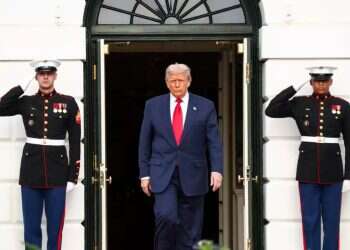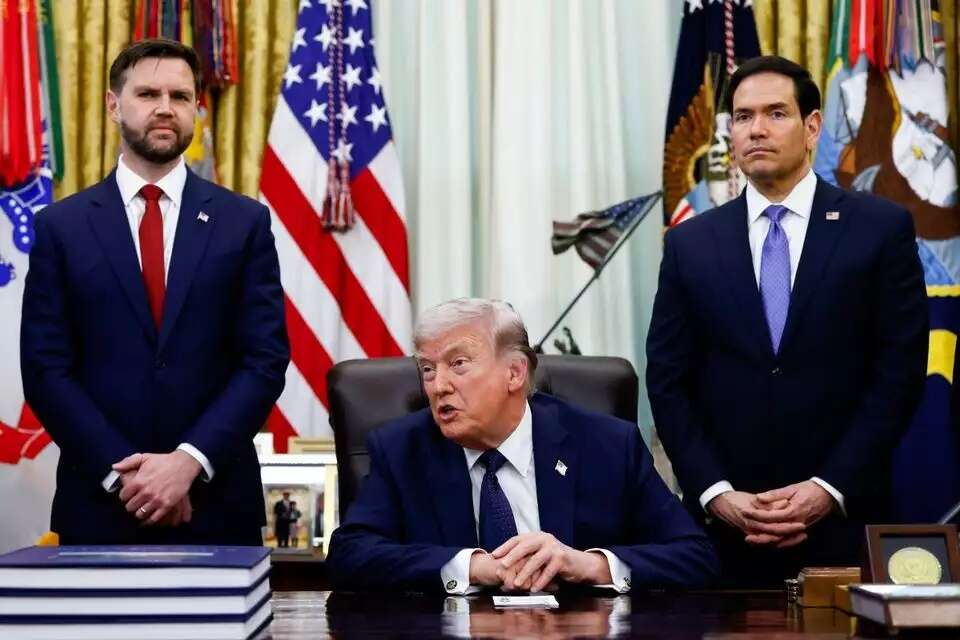
US President Donald Trump recently told donors in private that he wanted Vice President JD Vance to win the 2028 presidential election, indicating that he may be open to publicly endorsing him even as some advisers caution that Trump has yet to make a final decision on a successor.
"At the end of the day, we need to elect JD," Trump said during an Oval Office meeting with donors about two weeks ago, according to two people familiar with the remarks who spoke on condition of anonymity because they were not authorized to discuss the matter.
The private remark contrasts with Trump's rhetoric over the past year, during which he has publicly encouraged a competition for his favor between Vance and Secretary of State Marco Rubio. He has openly mused that the two would make a strong joint ticket and has repeatedly declined to say whom he would prefer to see at the top of it.
Even as Trump promoted his vice president to donors in the Oval Office, he continued sounding out people around him about Vance versus Rubio. A White House official said the president asked staff members about both men aboard Marine One late last month.
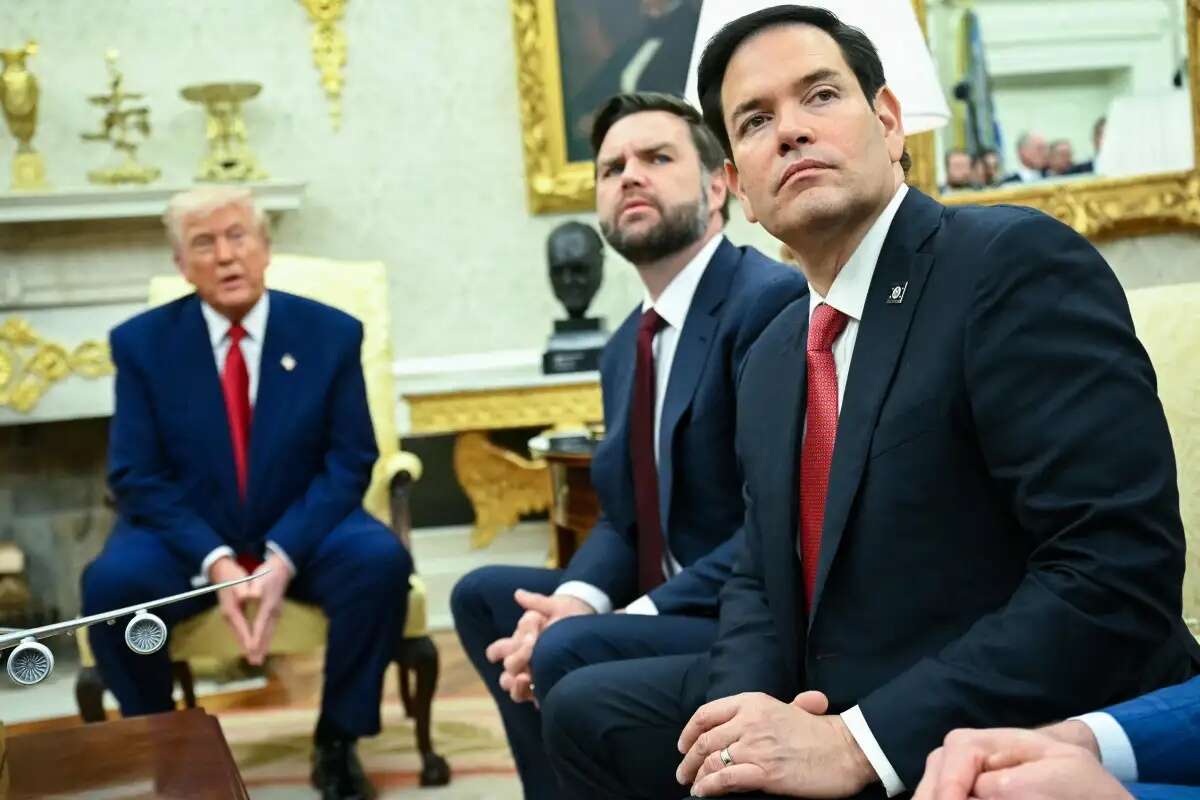
Vance himself has yet to state unequivocally whether he will run in the next presidential election. People close to him told the New York Post earlier this year that he had "not yet decided," while another person in his inner circle said the vice president would postpone any decision until after the birth of his fourth child, who was born on July 19.
In a June interview with CBS News, Vance said he would discuss the matter with his wife, Usha, after the midterm elections, but added that he had "no doubt that the president of the United States is going to be very supportive" of whatever decision he ultimately made. He has repeatedly said that he is focused on his current role and that Rubio is a "good friend."
Nevertheless, according to the Post, the prospect of a succession battle between the secretary of state and the vice president is already generating some of the tensions typical of a hard-fought primary, with donors, activists and party figures openly speaking out for or against Vance.
Much will depend on the outcome of the midterm elections. A poor Republican showing could encourage new candidates to challenge Trump's preferred successor and attack the administration more aggressively.
Trump's apparent preference for Vance may be received with some concern in Israel. The vice president, who is associated with the isolationist wing of the MAGA movement, has in recent months pursued a line that has brought him close to a confrontation with Israel and its supporters within the Republican Party. Rubio, by contrast, is one of the party's most prominent representatives of its traditional conservative wing and is considered far more amenable to Israel.
Particularly memorable was the public criticism Vance voiced at a June 18 press briefing, where he took a swipe at National Security Minister Itamar Ben-Gvir and Finance Minister Bezalel Smotrich over their remarks against the US memorandum of understanding with Iran.
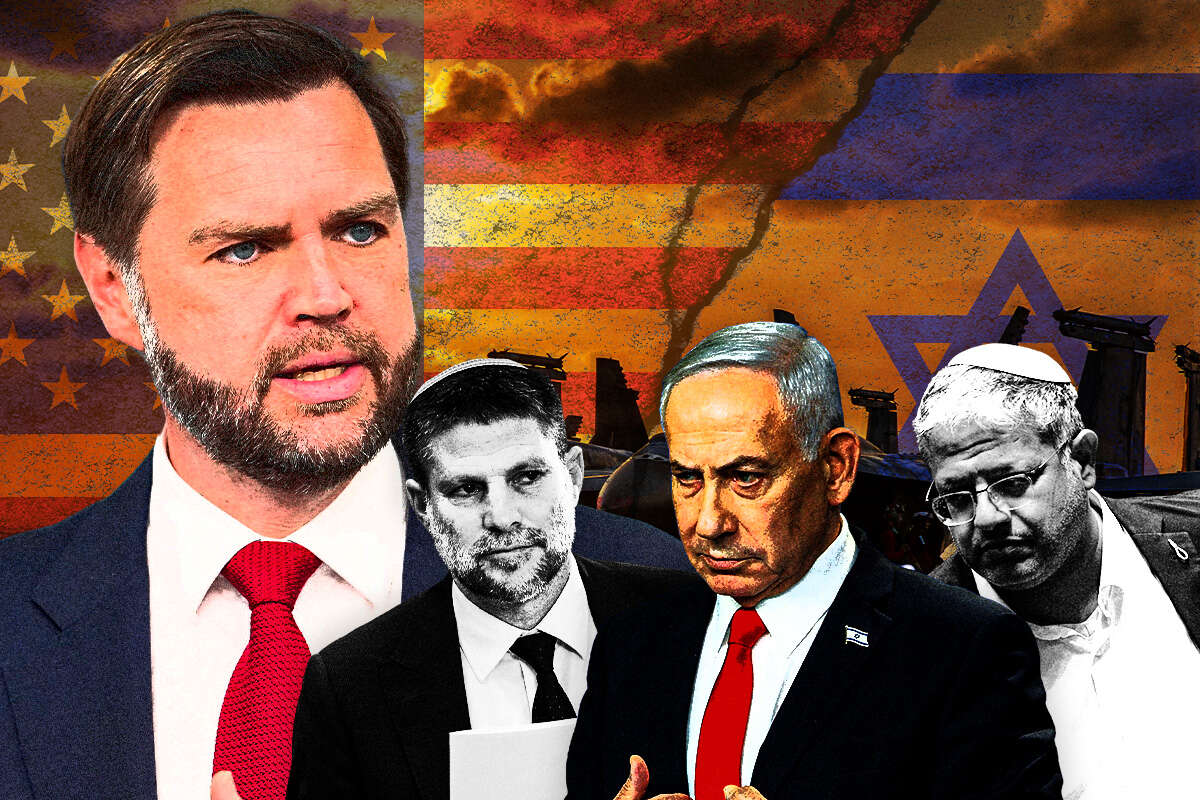
"Donald J. Trump is the only head of state in the entire world who is sympathetic to the nation of Israel at this moment in time," Vance said. "And he happens to be the head of state of the world's superpower. If I was in the Cabinet of the Israeli government, I might not be attacking the only powerful ally that I have anywhere left in the entire world."