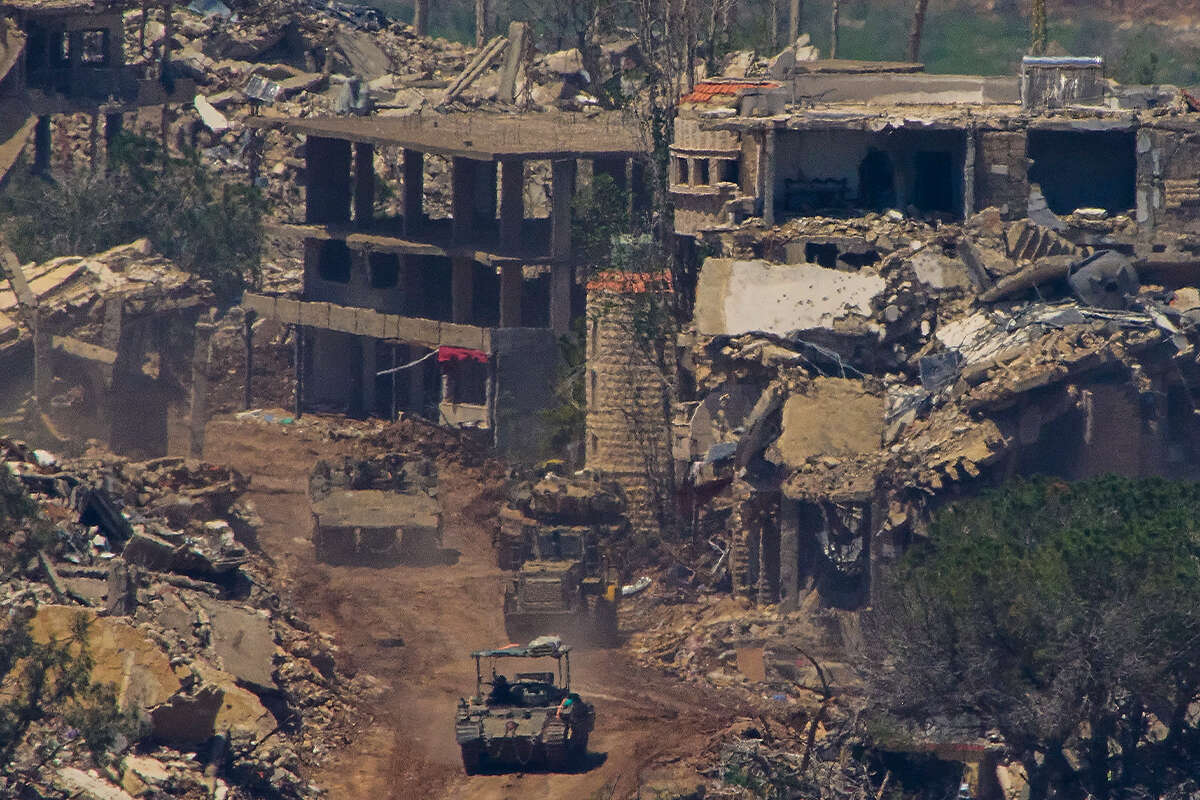
The Lebanese newspaper Nidaa al-Watan reported Thursday that the US had acted to contain the escalation in southern Lebanon, particularly following the deaths of two Israel Defense Forces soldiers, and succeeded in limiting Israel's response and preventing the situation on the ground from derailing progress at the negotiating table, preventing the talks in Rome from collapsing.
A Lebanese source said the Lebanese government had also sought to curb tensions in southern Lebanon through a series of diplomatic and security talks. The source claimed, however, that Hezbollah had refused to cooperate, while Israel insisted on carrying out strikes against threats, thereby pushing the situation toward a possible escalation.
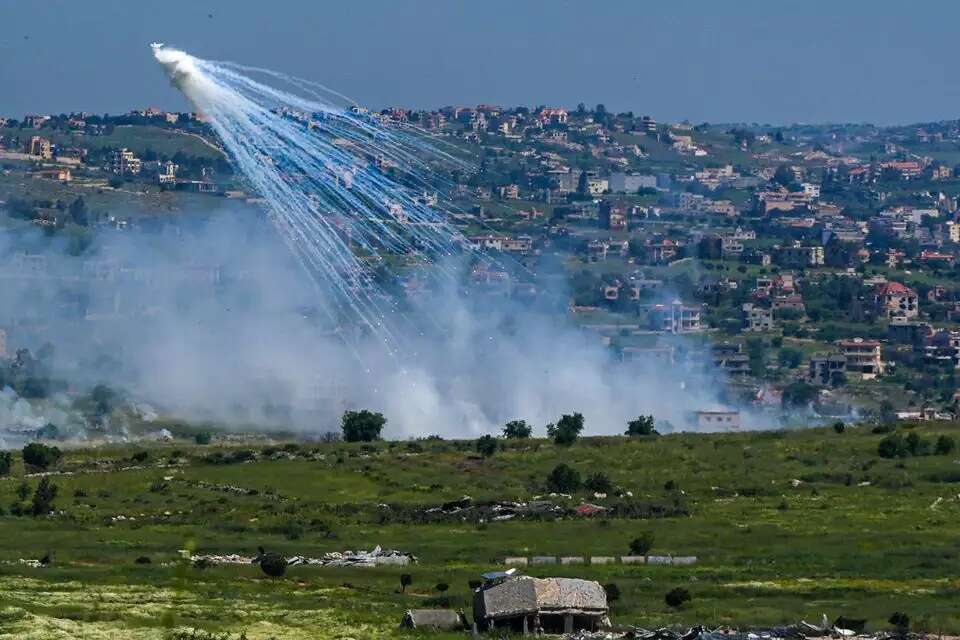
"All options are open, so the state is trying to take every necessary measure to halt the escalation and return to negotiations, in light of US pressure to resolve matters peacefully and not miss the opportunity," the source said.
Meanwhile, the Arab Al Hadath channel reported that the talks in Rome were also expected to address the issue of Hezbollah detainees. According to the report, the Lebanese delegation is demanding that the pilot zones for an IDF withdrawal from southern Lebanon be expanded, while awaiting an Israeli response regarding the consolidation of the ceasefire.
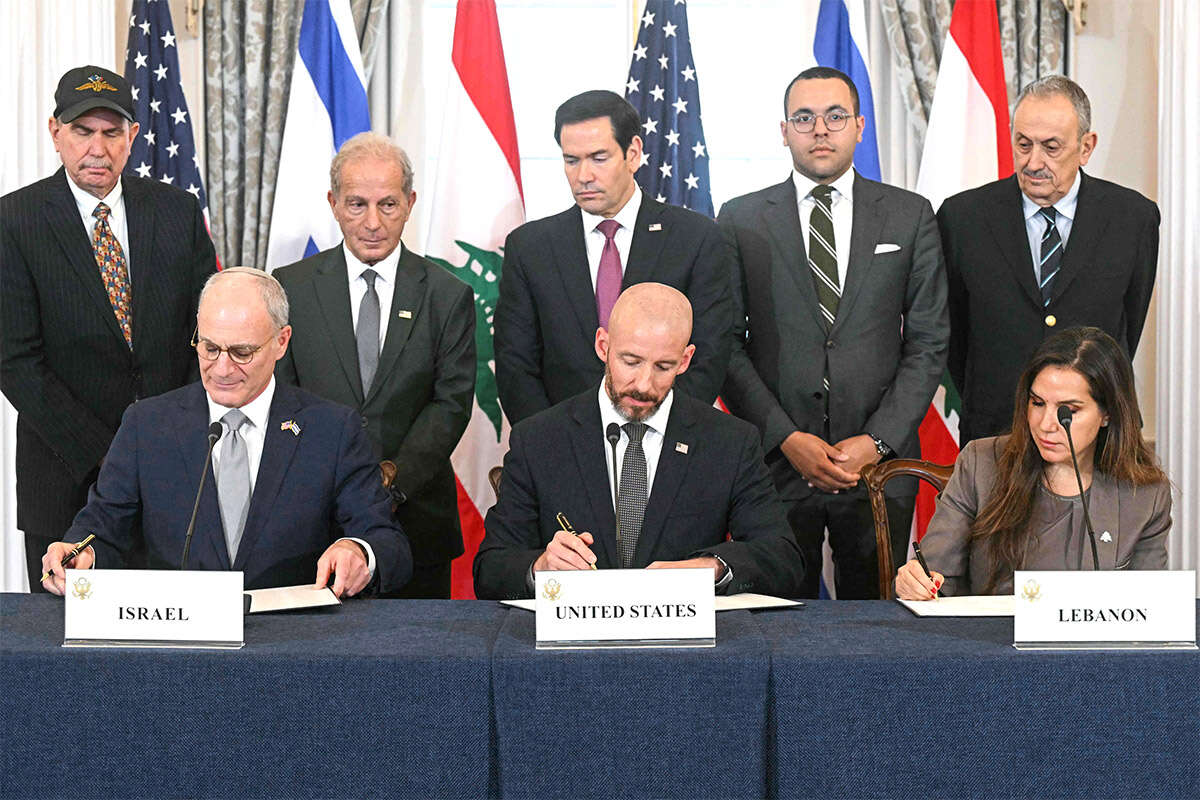
Lebanese sources told Ad-Diyar that progress had been made in the various negotiating tracks, particularly regarding the border and points of disagreement that have yet to be resolved by the two sides. However, the expansion of the pilot zones remains disputed, and no agreement has been reached on the matter.
The sources also reported progress regarding the verification mechanism and the identity of the third party that would oversee confirmation that the pilot zones had indeed been cleared of Hezbollah weapons. According to the sources, the border issue remains one of the central subjects under discussion, and the Lebanese side believes significant progress has been made.
Against the backdrop of the talks, the IDF Spokesperson's Unit recently released information on extensive terrorist infrastructure in villages in southern Lebanon located only a few kilometers from Israeli communities.