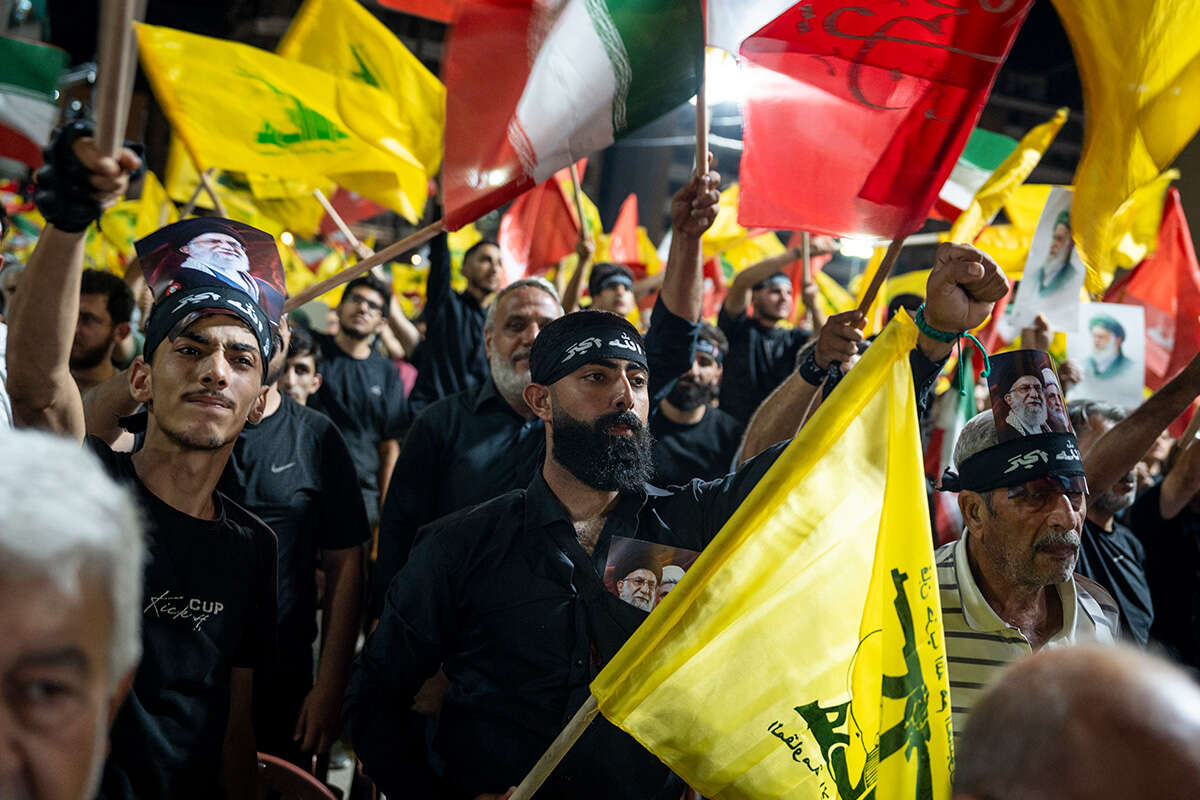
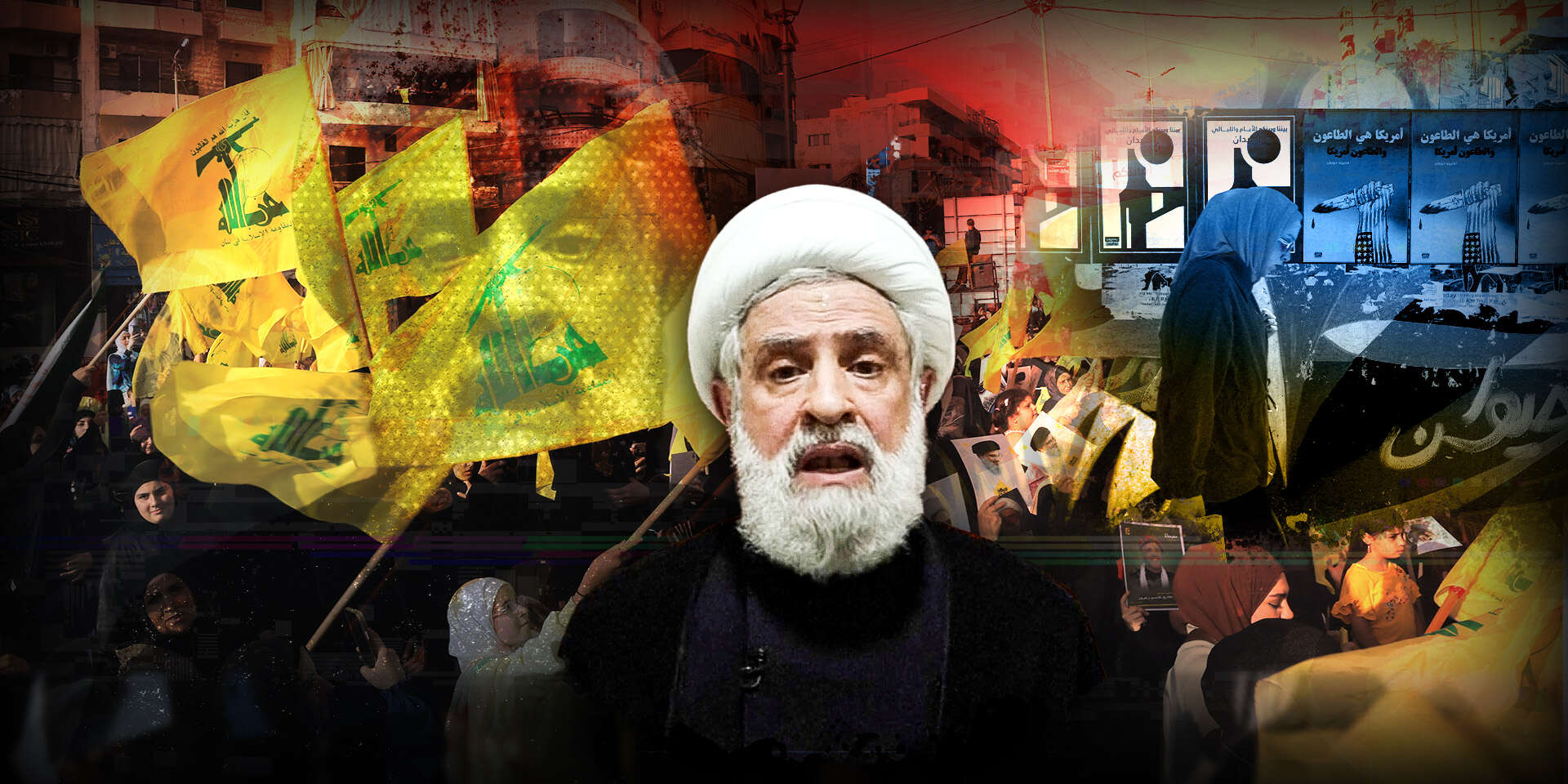
Hezbollah is intensifying its media campaign against the Lebanese government as tensions mount inside Lebanon. This week, Hezbollah Secretary-General Naim Qassem accused the authorities in Beirut of assisting Israel. He also signaled what may lie ahead regarding the implementation of the framework agreement.
"Direct negotiations have brought Lebanon nothing but concessions, shame and humiliation," Qassem said. "What have all these rounds offered Lebanon? Israel took everything. Israel secured political gains, but it will not achieve results on the ground as long as the resistance continues to repel it." His remarks amounted to more than a hint that Hezbollah is working to derail the framework agreement signed in Washington. On Wednesday, Hezbollah flagrantly violated the ceasefire, prompting a series of Israeli strikes in southern Lebanon.
In recent weeks, the Lebanese Armed Forces itself has also been hit by Hezbollah explosive devices that detonated against military vehicles. A Lebanese soldier was killed and two others were wounded in an explosion in al-Mansouri on July 18. Five soldiers were wounded in another explosive-device blast on Aug. 2.
The Alma Research and Education Center raised the possibility that the devices were not merely remnants of the fighting, but also served as a warning that any attempt to alter Lebanon's internal balance of power could exact a heavy price. Lebanese Armed Forces Commander Gen. Rodolphe Haykal, for his part, has emphasized that he will prevent the country from sliding into civil war, an objective that in effect conflicts with efforts to disarm Hezbollah.
Internal tensions
Lebanese officials responded sharply to Hezbollah's campaign. "The greatest assistance to Israel came from those who dragged Lebanon into 'support wars' and provided pretexts for aggression," Lebanese Prime Minister Nawaf Salam said. "Those who decided on war and are trying to continue usurping the state's decision-making power are tying Lebanon to foreign interests and foreign actors."
Christian parliamentarian Samy Gemayel also took a swipe at Hezbollah. "Anyone who does not like it should resign," he said.
Gemayel said Lebanon should proceed step by step, beginning with an Israeli withdrawal and the concentration of all weapons in the hands of the state, and continuing through the completion of negotiations on the demarcation of the border. "After that, what would prevent Lebanon from taking the path of peace?" he asked.
"Building a state begins with full sovereignty, its exclusive right to bear arms and its exclusive authority to decide on war and peace," Sunni parliamentarian Fouad Makhzoumi said. "The language of intimidation and branding people as traitors does not build a state or protect the homeland. It only deepens the divisions."
There appears to be little dispute that the barrier of fear has been broken in Lebanon's public discourse. The question is whether the statements and promises will finally be translated into action on the ground.
Meanwhile, the latest round of direct negotiations between Israel and Lebanon in Rome is due to conclude Thursday after three days of talks. While the Americans are seeking to demonstrate tangible progress, Lebanese officials fear the process could stall because of Israel's elections and the gaps between the two sides' positions.
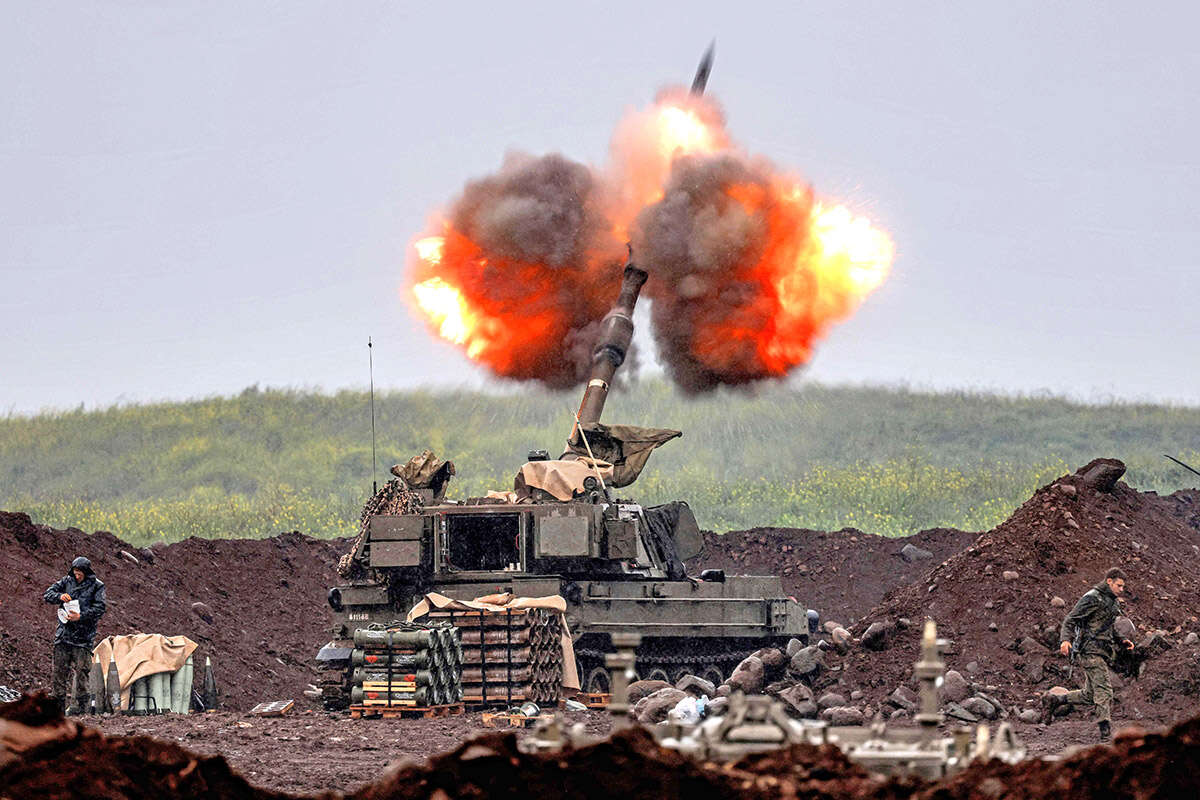
"Stop the explosions"
According to Lebanese sources, the Beirut delegation presented several demands. The central demand concerns the designation of new pilot zones from which the Israel Defense Forces would withdraw. The proposed areas were al-Khiam and Bint Jbeil in the Nabatiyeh Governorate, both located within the security zone designated by Israel as the "yellow zone."
Another demand was for Israel to stop controlled demolitions, after Beirut succeeded in securing a relative reduction in Israeli strikes. Instead, the Lebanese side proposed transferring Hezbollah facilities to the control of the Lebanese Armed Forces or filling the group's tunnels with concrete. Israel, however, is waiting to see whether the existing pilot zones have in fact been cleared of weapons and infrastructure belonging to Hezbollah and other terrorist organizations. That would require an agreement on a mechanism for verifying the demilitarization.
The Lebanese side has proposed three alternatives that would not involve direct IDF participation: the United Nations Interim Force in Lebanon, a UN monitoring mechanism or a third party selected with US approval, such as Italy, which is hosting the current talks. There is considerable doubt as to whether such bodies can be trusted, given the negligence and ineffectiveness they have demonstrated in the past.
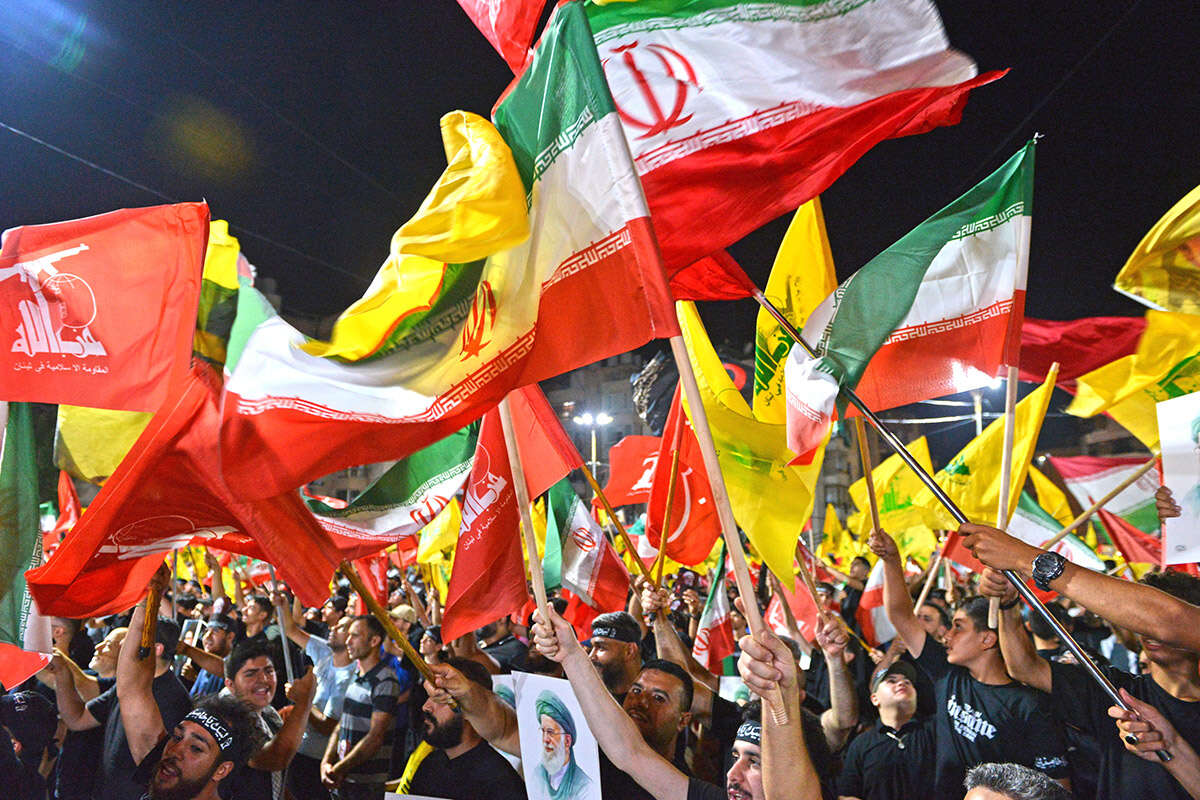
A long-term objective
The Lebanese side is also seeking to address the demarcation of the land border between the two countries. Over the years, Beirut has raised 13 objections regarding the route of the border from Rosh Hanikra on the Mediterranean coast to Metula in northern Israel. These do not include Mount Dov and the northern section of Ghajar, two additional areas subject to Lebanese claims.
The 13 disputed points comprise a combined area of thousands of square kilometers. Although the issue may not appear relevant at present, Beirut regards it as a long-term objective. Israel, unsurprisingly, currently objects even to withdrawals from the "yellow zone."