There is nothing new under the sun in Washington. Although US President Donald Trump has recently softened his rhetoric, he remains committed to the view that military pressure can force Iran to show flexibility on the two issues of greatest importance to the United States: the Strait of Hormuz and the nuclear program.
This is an understandable American perspective, but it fundamentally misreads the Iranian regime's mindset and, consequently, the prospects of succeeding against it. Trump deserves credit for recognizing the Iranian threat and establishing a credible military threat against it, a presidential precedent for which he will be remembered for generations. That is a necessary condition for confronting the Iranian regime, but it is far from sufficient.
The United States does not understand the cultural rift between itself and the Iranian regime. While Americans think in terms of elections and economics, the regime in Tehran thinks in terms of eternity and faith. From its perspective, merely standing firm against the world's most powerful military is itself a victory, even after sustaining a severe blow.
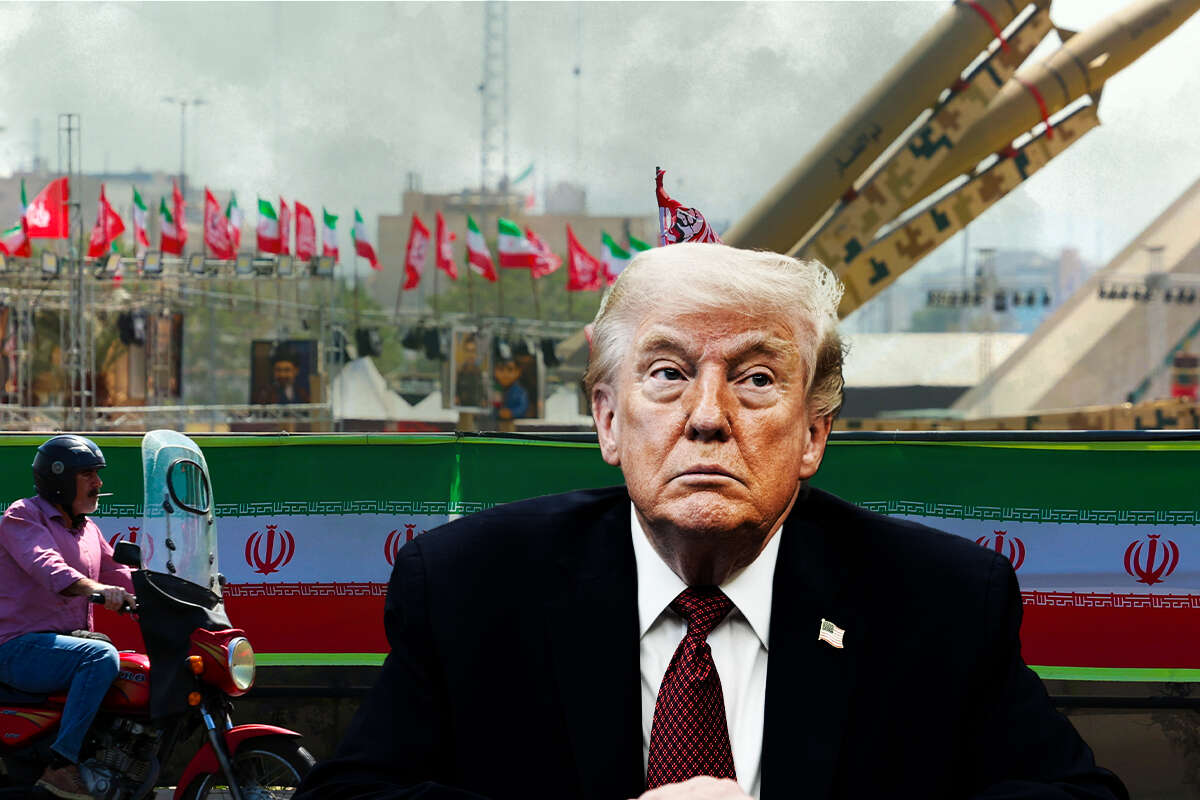
It therefore believes it can wait until Trump blinks first and that its patience exceeds America's. Further military achievements will not change that calculation, particularly now that Iran has adapted and found asymmetric ways to demonstrate the cost of waging a campaign against it.
Under present circumstances, there is no reason to expect the regime to compromise. Renewed military pressure will not change its outlook either. In its eyes, compromise is defeat, and time is on its side. Trump therefore faces a trap: Neither the status quo nor a military escalation will produce the desired result.
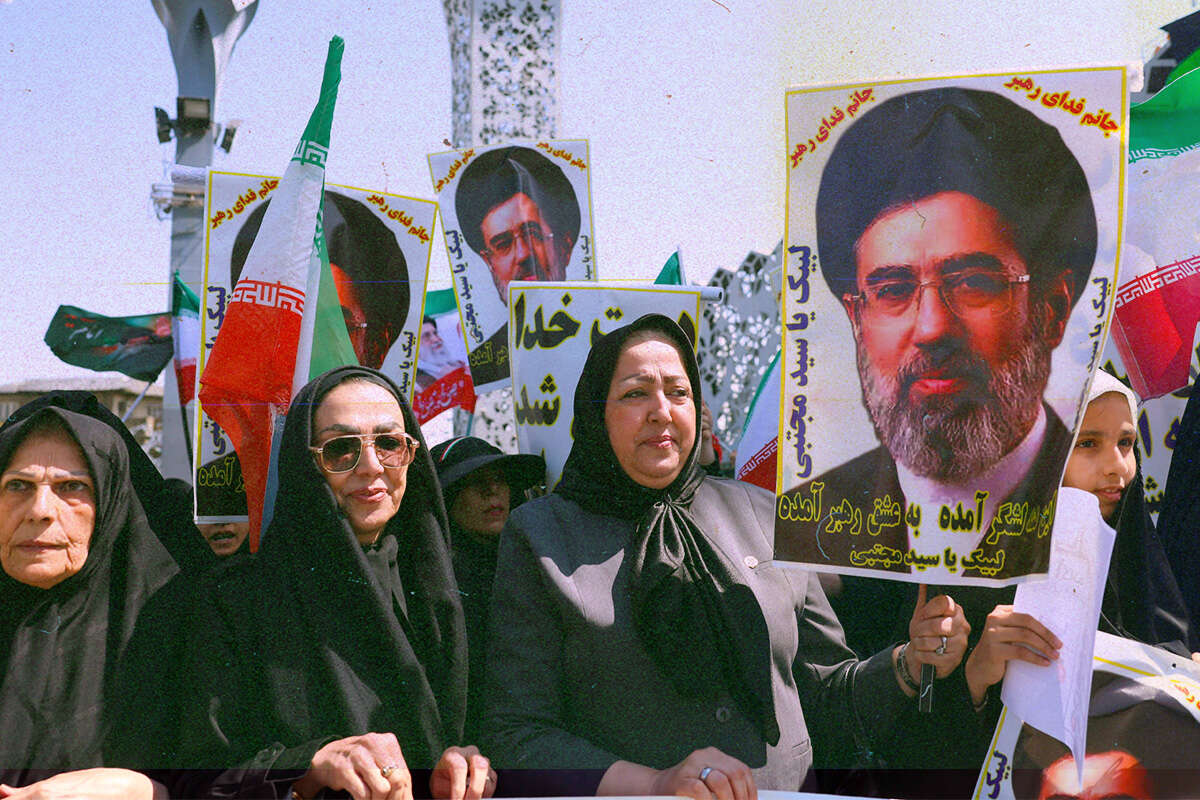
There is, however, good news as well. The Iranian regime has never been more extreme, but it has also never been more vulnerable. Its leadership is divided, there is no commanding supreme leader capable of appearing before the public, its underlying problems have only worsened, and it is doubtful that the Iranian public, or even parts of the leadership, are satisfied with the course of events in recent months.
The US therefore has no choice but to pursue a long and patient campaign aimed at bringing down the Iranian regime, while abandoning the futile talks underway with it. The campaign should combine military operations intended to undermine the regime's stability with additional measures designed to accelerate its collapse, foremost among them strengthening the Iranian opposition and launching an upgraded maximum economic pressure campaign. This will be neither quick nor easy. But the US president currently has no alternative that does not amount to American capitulation.
At the same time, Washington must move quickly to develop overland and other alternatives to the Strait of Hormuz, reducing its global strategic importance in a process similar to Europe's effort to wean itself off Russian energy imports. Every act of Iranian aggression should be met with a forceful response focused on targets that contribute to destabilizing the regime.
There are moments when leaders are tested by their willingness to make bold, forward-looking strategic decisions, even when those decisions do not serve their narrow political interests. Trump, who has already displayed sound instincts in confronting Iranian aggression, now faces a Churchillian opportunity to make clear that he has no intention of appeasing the Iranian crocodile in the hope that it will eat him last.
Like Winston Churchill, Trump may discover that this is the only alternative he has left.