Wednesday Aug 5, 2026
NEWSLETTER
www.israelhayom.com
  • Home
  • News
    • Israel
    • Israel at War
    • Middle East
    • United States
  • Opinions
  • Jewish World
    • Archaeology
    • Antisemitism
  • Lifestyle
    • Food
    • Travel
    • Fashion
    • Culture
  • Magazine
    • Feature
    • Analysis
    • Explainer
  • In Memoriam
www.israelhayom.com
  • Home
  • News
    • Israel
    • Israel at War
    • Middle East
    • United States
  • Opinions
  • Jewish World
    • Archaeology
    • Antisemitism
  • Lifestyle
    • Food
    • Travel
    • Fashion
    • Culture
  • Magazine
    • Feature
    • Analysis
    • Explainer
  • In Memoriam
www.israelhayom.com
Home News Israel Education

New study finds nearly 1 in 5 Israeli students highly dependent on AI

Researchers find that Israeli students who are more proficient with AI tools tend to rely on them more heavily. A surprising link also emerges with seeking help from friends and lecturers. 

by  Noam Dvir
Published on  08-05-2026 08:34
Last modified: 08-05-2026 09:40
New study finds nearly 1 in 5 Israeli students highly dependent on AI

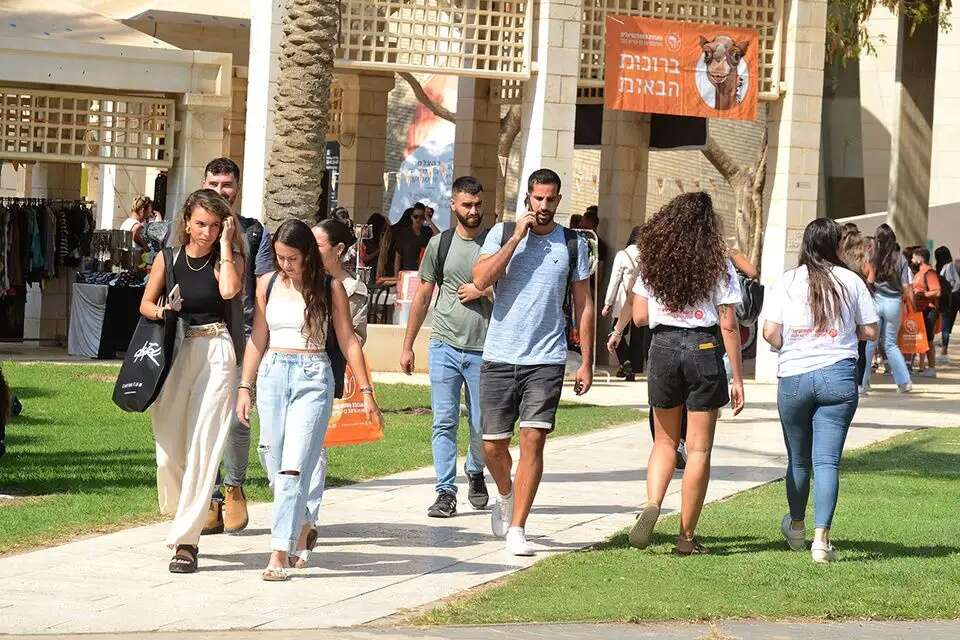
Students. The people pictured are not connected to the story. Photo: Dudu Greenspan

Share on FacebookShare on Twitter

Do you frequently ask friends or lecturers for help? You may also be more likely to become dependent on artificial intelligence. A new Israeli study has found that nearly one in five students displays high levels of reliance on AI tools, and that the tendency to depend on them increases as students become more proficient in their use.

What is driving the phenomenon?

Artificial intelligence and the various chatbot platforms have become an integral part of student life in recent years. These tools are now deeply embedded in academia, but alongside their clear advantages, they may also foster excessive dependence.

A new study conducted by Dr. Hilit Maizel, Dr. Maya Kalman-Halevi, Dr. Miriam Sarid and Dr. Rony Tutian of the Education Department at Western Galilee College examined the factors associated with students' dependence on artificial intelligence during their studies. The study included 478 students from universities and colleges across Israel and identified four distinct learning profiles.

The findings paint a complex picture: The more proficient students are in using AI tools, the greater their potential tendency to rely on them. The determining factor, however, is not solely technological. It is also associated with personal and psychological characteristics, including self-discipline, self-confidence and the ability to learn independently.

One of the most striking findings emerged from a comparison between two groups of students with high levels of AI proficiency. About one-third of participants, 32.6%, used artificial intelligence in a controlled manner while maintaining good study habits, effective time management and high self-efficacy. By contrast, 18.4%, or nearly one in five students, relied on the tools to a greater extent and also reported emotional dependence on them. This group was characterized by poorer study habits, ineffective time management and low self-efficacy.
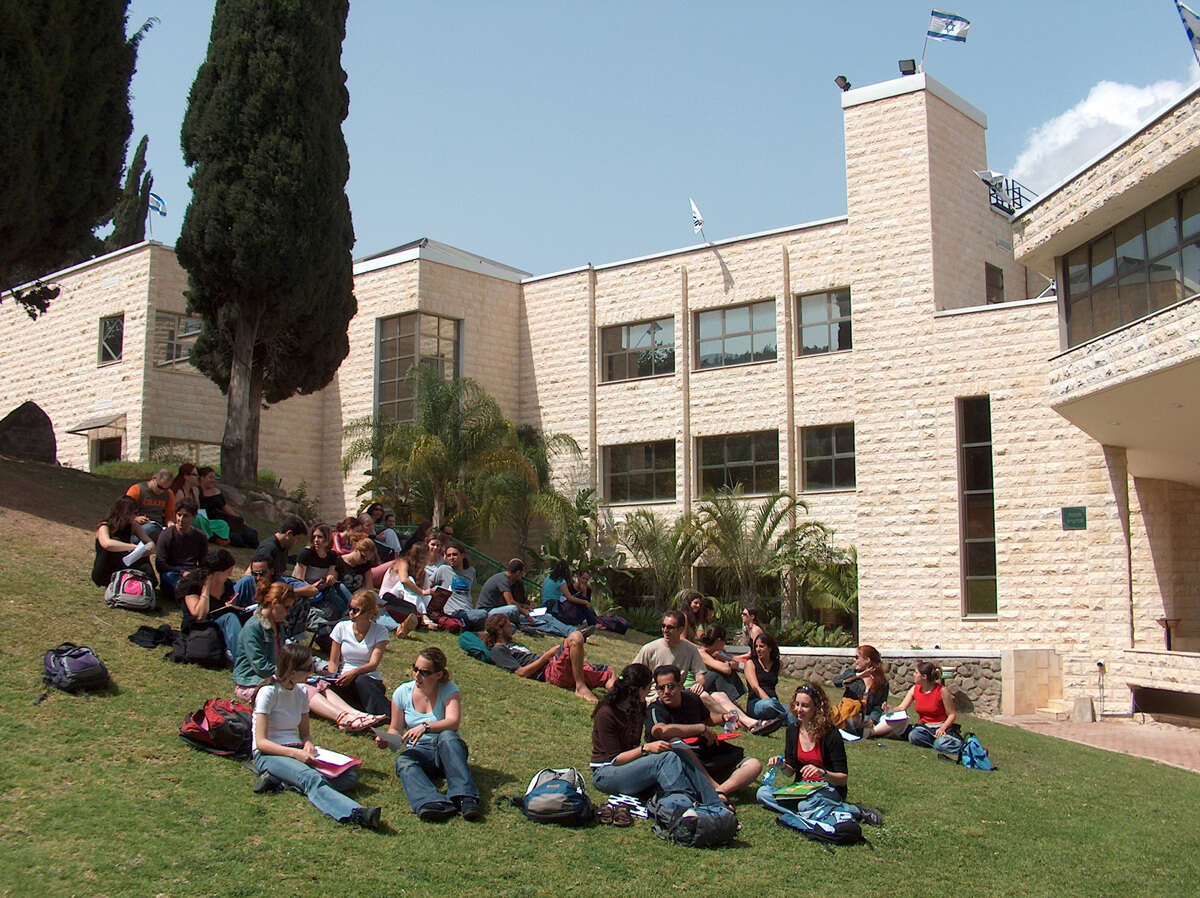
סטודנטים בקמפוס אקדמיית תל חי (ארכיון) , ללא
Students. The people pictured are not connected to the story

"Students who are confident in their ability to think and in their ability to use artificial intelligence judiciously feel less need to rely on it blindly," explained Dr. Miriam Sarid, head of the Education Department at Western Galilee College.

Sarid said the researchers had found a significant association between a general tendency to seek help from friends and lecturers and the degree of dependence on artificial intelligence. "When it is easy and convenient for a proficient student to hand academic assignments over to the system, the student may give up on independent thought too quickly," she said. "Seeking help ceases to be a supportive tool and becomes a shortcut that bypasses thought. It creates a momentary sense of success but may harm academic ability in the long term."

Sarid also noted that despite similar levels of proficiency with the tools, there were significant differences in the degree of dependence. "Students with low levels of dependence demonstrated greater confidence in their ability to cope with tasks, together with good study habits and perseverance," she said. "The quality of AI use does not depend solely on technological proficiency, but also, and perhaps primarily, on personal characteristics such as self-efficacy and study habits. The easier and more efficient the tool is perceived to be, the greater the tendency to shift the center of gravity of learning toward it at the expense of independent work."

The two other groups identified in the study had moderate or low levels of AI proficiency and correspondingly lower levels of reliance on the technology.

The study was published recently in the international journal Education Sciences. The researchers concluded by recommending two principal measures: adapting assessment methods so that they evaluate the thinking process rather than only the final product, and systematically developing independent learning skills, including time management, perseverance and stronger academic self-confidence.

Related Posts

Finance Ministry plan to dismantle Education Ministry, shift 200,000 workers off state payroll

Finance Ministry plan to dismantle Education Ministry, shift 200,000 workers off state payroll

by Noam Dvir

More than 21,000 preschools and some 5,600 elementary schools would be transferred to Israel's local authorities. The Education Ministry would...

AI won: Israel's only translator degree program ends

AI won: Israel's only translator degree program ends

by Erez Linn

Bar-Ilan University to shutter translation department. AI pressure and falling enrollment forced the closure of a program that has trained...

'National mission': New high school to be built on Israel-Lebanon border

'National mission': New high school to be built on Israel-Lebanon border

by Noam Dvir

Amid Hezbollah rocket fire, the planned boarding school will provide direct assistance to farmers along the border. Adam V’Adama CEO:...

Menu

Analysis 

Archaeology

Blogpost

Business & Finance

Culture

Exclusive

Explainer

Environment


Features

Health

In Brief

Jewish World

Judea and Samaria

Lifestyle

Cyber & Internet

Sports


Diplomacy 

Iran & The Gulf

Gaza Strip

Politics

Shopping

Terms of use

Privacy Policy

Submissions

Contact Us

About Us

The first issue of Israel Hayom appeared on July 30, 2007. Israel Hayom was founded on the belief that the Israeli public deserves better, more balanced and more accurate journalism. Journalism that speaks, not shouts. Journalism of a different kind. And free of charge.

All rights reserved to Israel Hayom

Hosted by sPD.co.il

  • Home
  • News
    • Israel at War
    • Israel
    • United States
    • Middle East
    • Sports
  • Opinions
  • Jewish World
    • Archaeology
    • Antisemitism
  • Lifestyle
    • Food
    • Travel
    • Fashion
    • Culture
  • Magazine
    • Feature
    • Analysis
    • Explainer
    • Environment & Wildlife
    • Health & Wellness
  • In Memoriam
  • Subscribe to Newsletter
  • Submit your opinion
  • Terms and conditions

All rights reserved to Israel Hayom

Hosted by sPD.co.il

Newsletter

[contact-form-7 id=”508379″ html_id=”isrh_form_Newsletter_en” title=”newsletter_subscribe”]

  • Home
  • News
    • Israel at War
    • Israel
    • United States
    • Middle East
    • Sports
  • Opinions
  • Jewish World
    • Archaeology
    • Antisemitism
  • Lifestyle
    • Food
    • Travel
    • Fashion
    • Culture
  • Magazine
    • Feature
    • Analysis
    • Explainer
    • Environment & Wildlife
    • Health & Wellness
  • In Memoriam
  • Subscribe to Newsletter
  • Submit your opinion
  • Terms and conditions

All rights reserved to Israel Hayom

Hosted by sPD.co.il