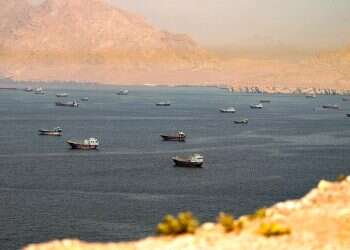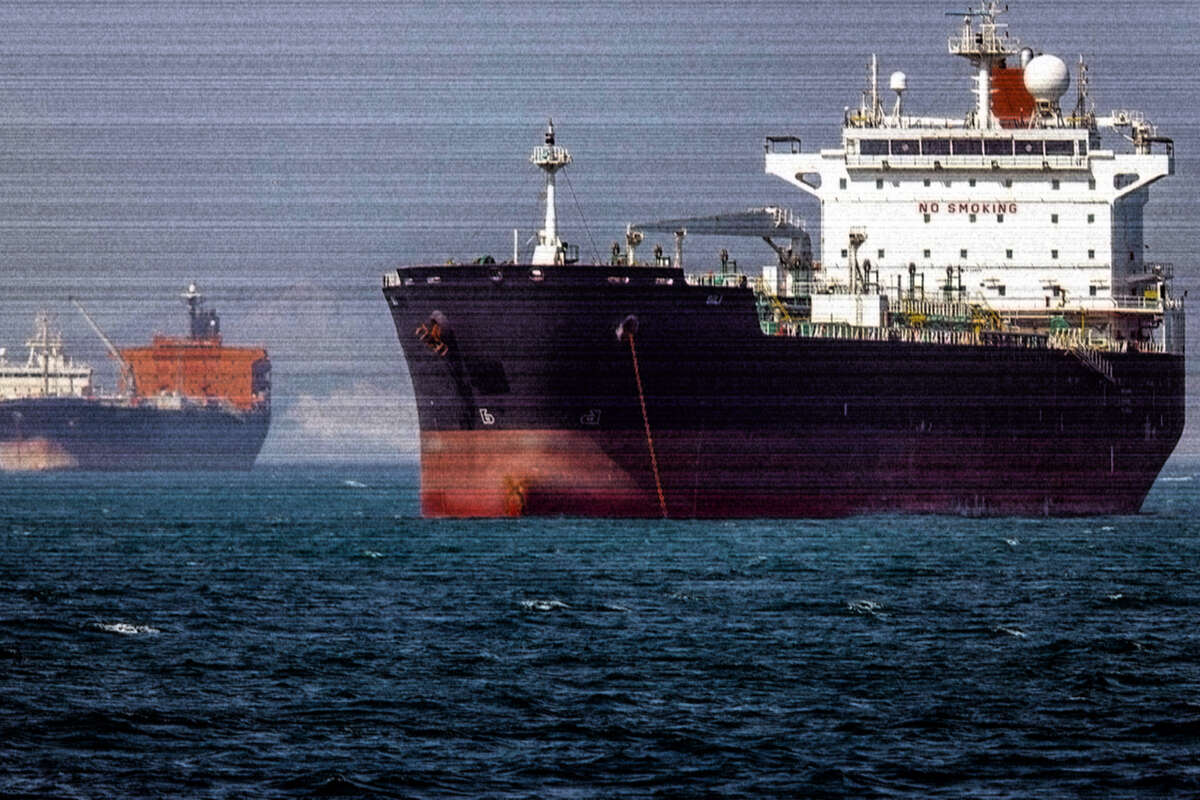
Iranian Foreign Ministry spokesman Esmaeil Baghaei confirmed Wednesday that Iran and Oman had agreed on the "coordinates" of a new shipping route through the Strait of Hormuz and were putting the final touches on a joint statement formalizing the understandings.
According to reports, the plan would combine the two existing routes, the northern lane in Iranian waters and the southern lane in Omani waters, into a single two-way corridor. Iran would be granted oversight of vessels entering the Persian Gulf in exchange for reopening the strait to global trade. Baghaei said, however, that publication of the agreement depended on "third parties not disrupting the process," an apparent reference to Washington.

A senior Iranian official told Reuters that the agreement would also allow Iran to "monitor" traffic through Oman's territorial waters, an issue that remained a major point of contention in the negotiations.
Another unresolved question concerns the fees that ships would be charged. Iran is demanding between 5% and 7% of the value of their cargo, while Oman is proposing about 3% and the US insists that no fees be collected. One possible compromise under consideration would define the payments as "voluntary," although the threat of an Iranian attack could effectively deter shipping companies from passing through the strait without paying.
Although Iran is presenting the agreement as a concession, it would fundamentally alter the existing regime in the strait. That framework is based on international maritime law, which provides for freedom of navigation through the passage without oversight or transit fees.
Should the agreement be signed, Iran would become a self-appointed regulator of traffic through one of the world's most critical waterways. This would constitute a major strategic achievement for Tehran, preserving the leverage it gained during the war without requiring continuous military pressure.
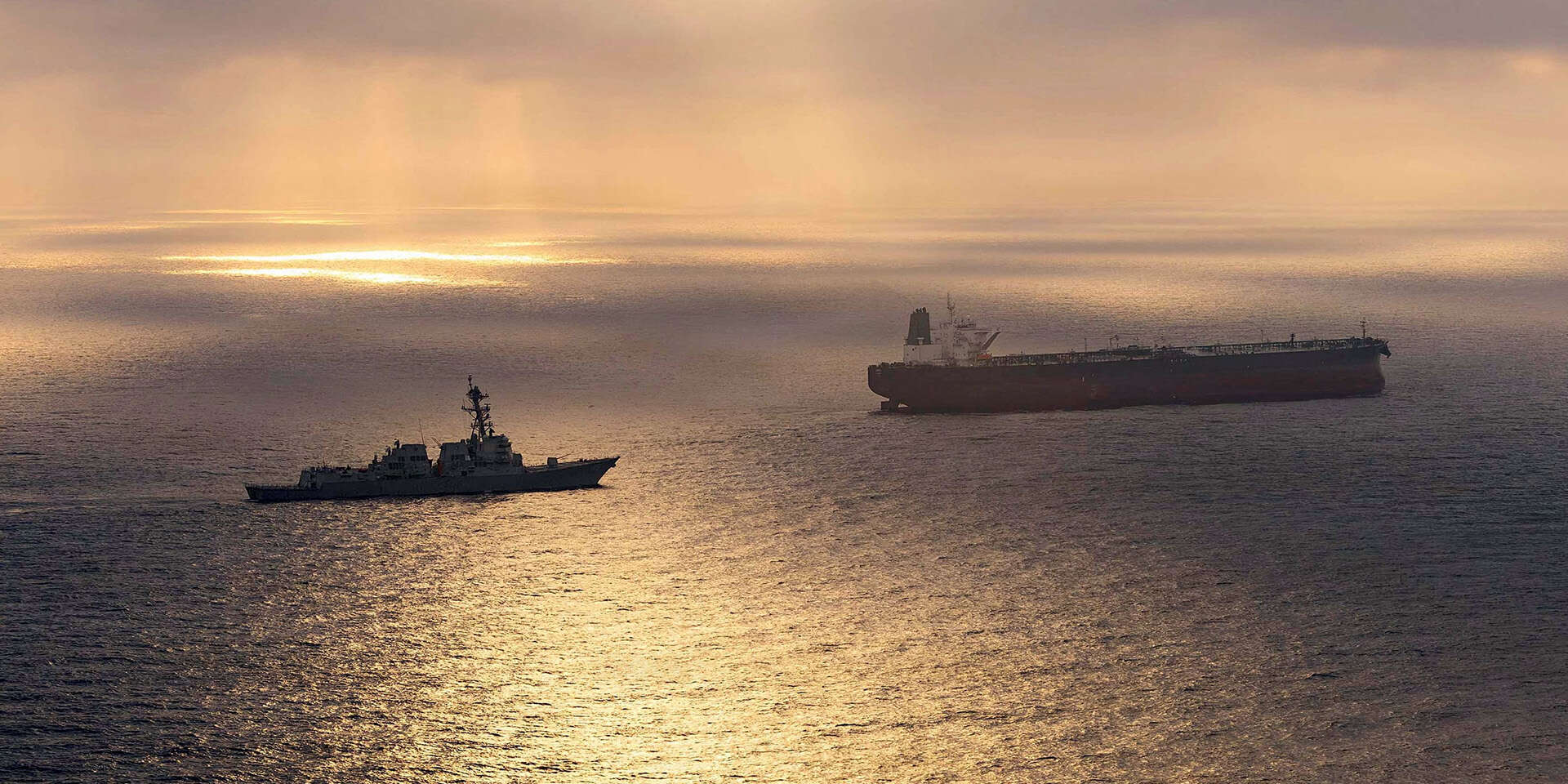
US Secretary of State Marco Rubio recently warned that recognizing state control over an international shipping lane would create "a very dangerous precedent that will be replicated in other parts of the world."
Iranian Deputy Foreign Minister Kazem Gharibabadi told Iranian state television that negotiations with Oman were "very close to completion" and that the sides had reached agreements in principle on nearly all the issues, including the delineation of entry and exit routes.
Gharibabadi said the new route would be temporary, operating for only two to four months, and would replace the two provisional lanes currently in use: a northern route established near the Iranian-controlled island of Larak and a southern route through Oman's territorial waters.
He stressed that the arrangement would be signed exclusively between Iran and Oman. "Tehran does not recognize the rights of any other country in this process," he said, in another message aimed at Washington.
Gharibabadi added that an agreement with Oman would not necessarily lead to the automatic reopening of the Strait of Hormuz. That, he said, depended on "the United States returning to its commitments under the memorandum of understanding."