Israel and several Gulf states have been holding meetings and talks in recent weeks to advance routes for transporting Gulf oil and natural gas to importing countries while bypassing the Strait of Hormuz and the Bab el-Mandeb Strait, Energy and Infrastructure Minister Eli Cohen told Israel Hayom.
The meetings have taken place both in Israel and abroad. Gulf diplomatic officials confirmed Cohen's account, saying the discussions covered both immediate solutions and long-term infrastructure projects, amid the urgent need created by the war with Iran.
The US administration is also involved in the talks, Israel Hayom has learned, as Washington seeks to deprive Iran of its principal source of leverage in the Strait of Hormuz.
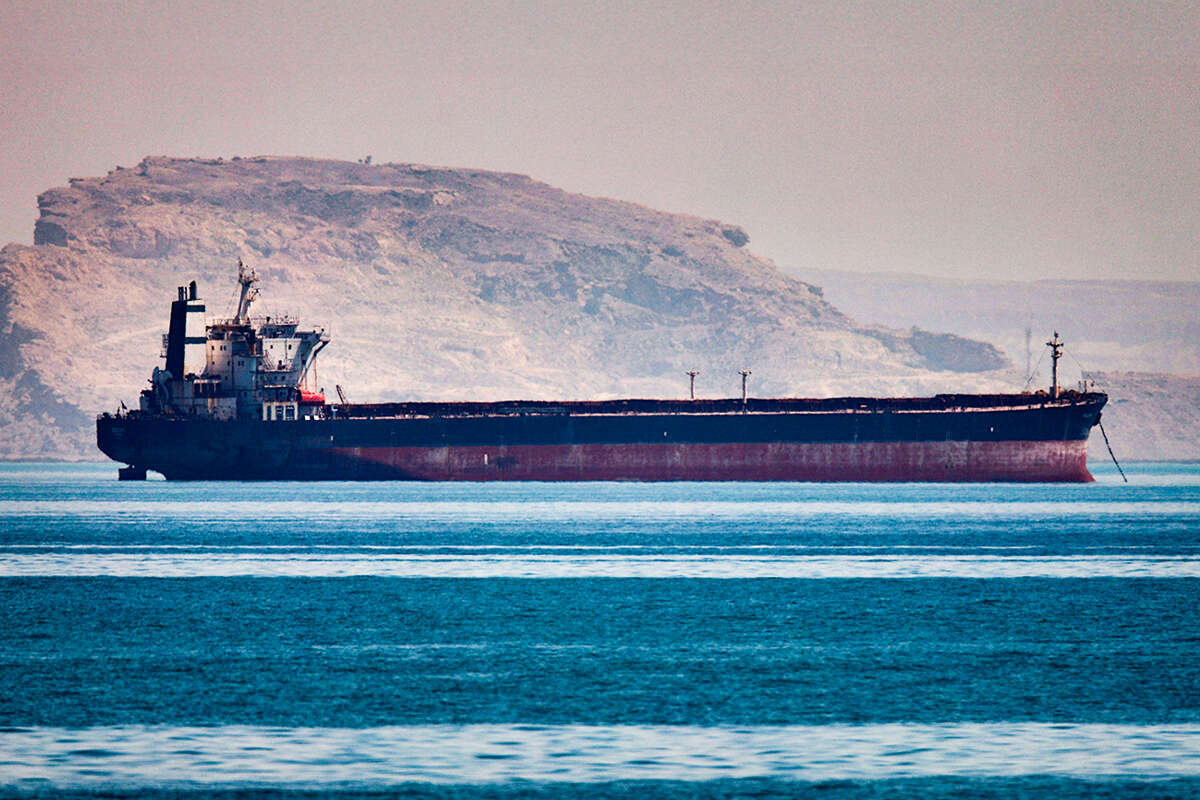
One immediate option would involve unloading oil from tankers departing the western Saudi port of Yanbu at the Port of Eilat. The oil would then be transported through the Europe Asia Pipeline Company's pipeline to Ashkelon and shipped across the Mediterranean to export destinations. The long-term proposals, meanwhile, include constructing pipelines from the Gulf to the Jordanian port of Aqaba and from there to Eilat.
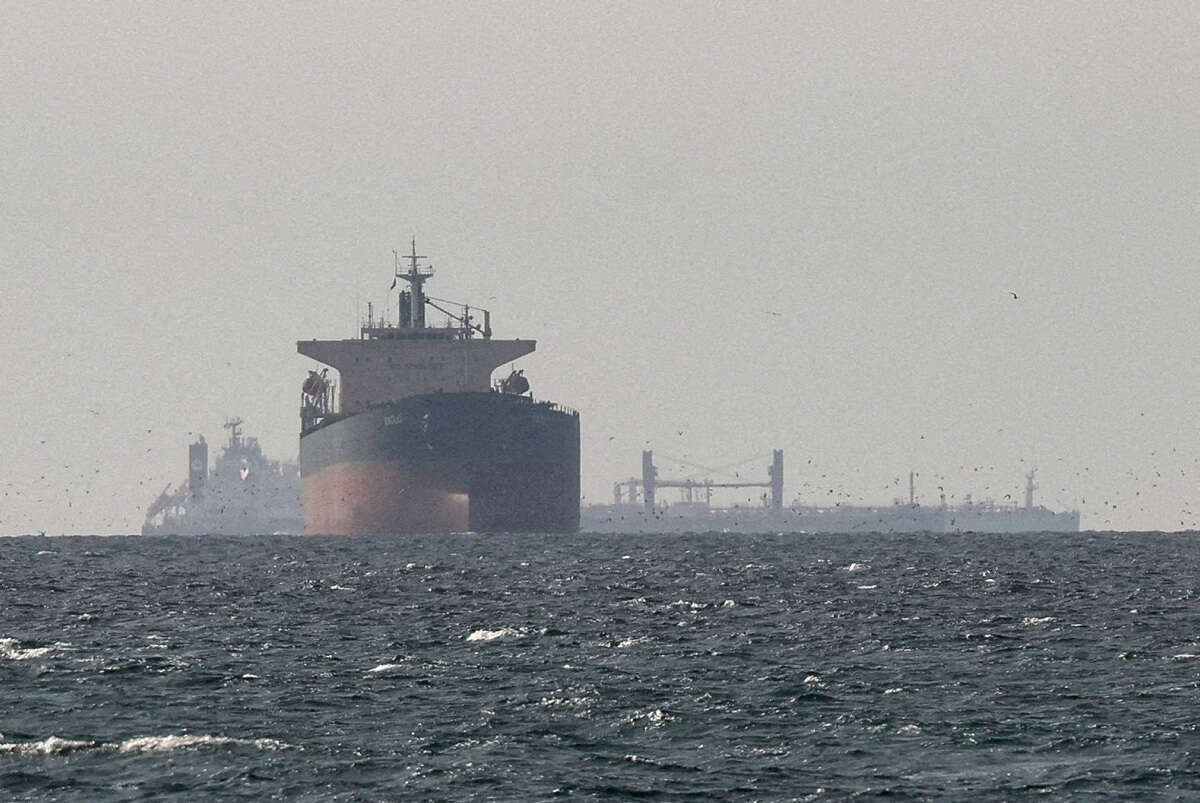
Cohen told Israel Hayom that the war with Iran had demonstrated the Gulf states' need for alternatives to both the Strait of Hormuz and the Bab el-Mandeb Strait, not only for oil and gas exports but also for commercial shipping.
"In my view, the Israeli route for a pipeline to the Mediterranean is the ideal option," Cohen said. "Unlike other alternatives that have been proposed, such as a route through Syria, Israel would be capable of protecting such a corridor. In the long term, a route of this kind would lower energy prices by creating competition with other routes, including those running from Azerbaijan and Iraq to Turkey."
Cohen added that the alternative trade routes could make Iran's leverage over the Strait of Hormuz largely insignificant within four to five years.
The energy minister spoke Wednesday with his Greek counterpart, Environment and Energy Minister Stavros Papastavrou. Their discussion focused on advancing the India-Middle East-Europe Economic Corridor, known as IMEC, which is intended to connect the East with Europe through the Gulf states and Israel. The initiative also includes an energy route involving oil and gas pipelines from Gulf states to the Mediterranean through Israel.
According to a statement from Israel's Energy and Infrastructure Ministry, the route would offer strategic advantages while also being the fastest and least expensive option. It would therefore benefit the global economy, strengthen Israel's economy, bring hundreds of billions into state coffers, increase infrastructure investment and create new jobs.
Greece, an Israeli ally, faces threats from Turkey, which claims ownership and sovereignty over Greek maritime areas and has, among other things, obstructed natural gas exploration in the eastern Mediterranean.
Race for alternative routes
Israel may be entering the race to develop alternatives to the Strait of Hormuz and the Bab el-Mandeb somewhat late. Countries that are not friendly toward Israel, including Turkey and Qatar, are leading projects that would compete with the Israeli option. These include northern routes through Iraq and Syria and southern routes through Jordan and Egypt. Some of the projects remain in the planning stages, while others are already being implemented.
Proposed routes include an oil pipeline from Basra in southern Iraq to Haditha in the center of the country. From there, two separate pipelines would branch off, one heading north toward the Iraqi Kurdish city of Kirkuk and the other toward the Syrian port of Baniyas. The route is being partly financed by US companies such as Chevron, which are making major investments in Syria, as well as by Qatari companies.
The pipeline to Aqaba is expected to continue into Egypt, which has an overland oil pipeline connecting the Red Sea with the Mediterranean. Iraq, at the same time, has lost a substantial portion of the revenue from oil exports because of the war and is desperate to find rapid solutions.
The Gulf states are actively working to bypass the Strait of Hormuz, with the United Arab Emirates, for example, doubling the capacity of its pipeline to Fujairah, located south of the strait. The new pipeline is expected to begin operating by the end of this year. It would restore the UAE's export capacity to its full prewar level. The Emiratis also want to increase exports beyond that level after leaving OPEC and freeing themselves from the organization's production restrictions.
Bahrain and Kuwait, however, do not have comparable alternatives. Along with Saudi Arabia, they are seeking to increase the capacity of the East-West Petroline, which reaches the Saudi Red Sea port of Yanbu.
The Saudis have increased the pipeline's operations to full capacity, but it provides only a partial alternative to Hormuz because of its limited capacity and the limits on loading operations at the port. The route also remains exposed to the Iranian-backed Houthis' threats against shipping through the Bab el-Mandeb Strait.
Med-Red agreement
Israel already has an agreement with the UAE to transport oil through the Port of Eilat. The Med-Red agreement was dramatically scaled back because of environmental opposition and a "zero-risk" policy adopted under the Bennett-Lapid government that Prime Minister Benjamin Netanyahu's government has failed to revoke.
A senior Israeli official involved in the issue told Israel Hayom that if the proposed route through Eilat was not implemented, Israel would miss an enormous opportunity to become part of the global energy network now seeking alternatives to the Strait of Hormuz. For example, the route could serve Saudi Arabia and other countries while giving Israel a major geostrategic advantage, the official said.
"If Israel fails to open the door, the window of opportunity will close," the official added. "We will lose enormous diplomatic and economic benefits while increasing the danger of an energy stranglehold and our dependence on Turkey and other countries for our energy needs."