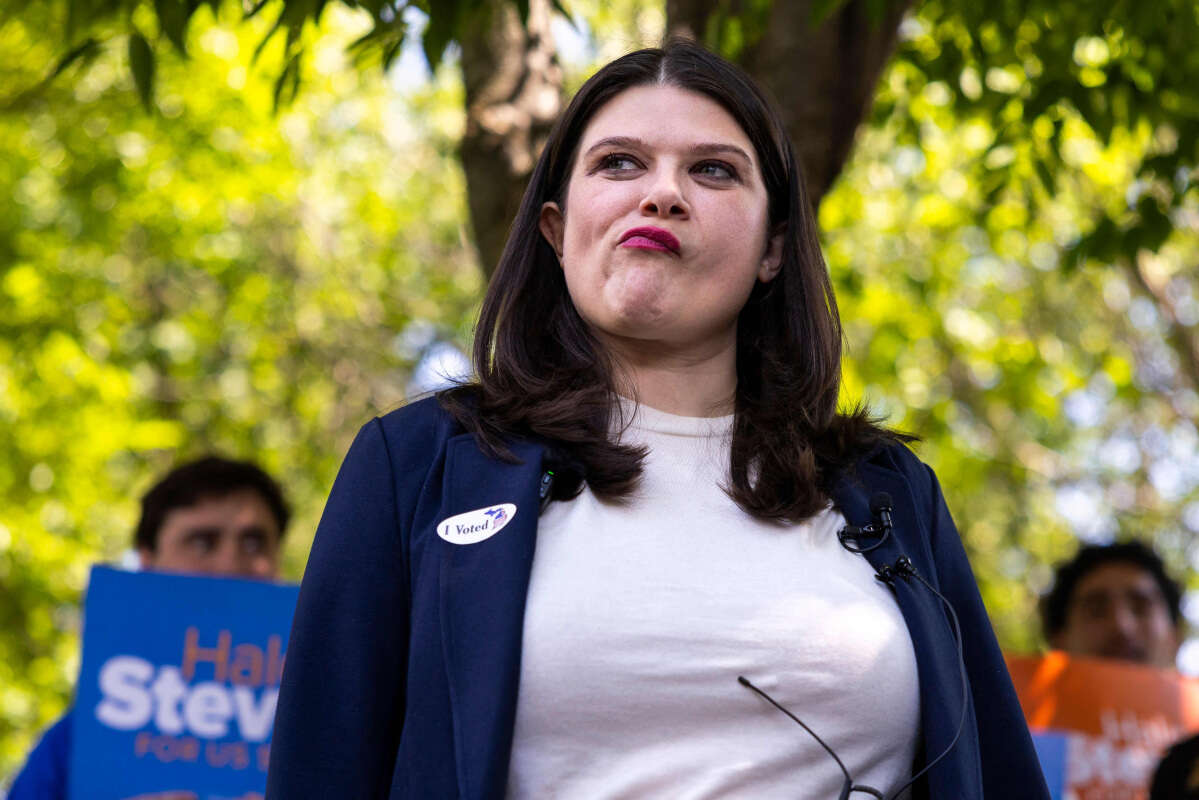
US Rep. Haley Stevens was supposed to be the Democrats' safe choice for the Senate in Michigan's primary election Tuesday. A veteran member of Congress, a former senior Obama administration official and a skilled politician from the party's mainstream, Stevens promised to work with both sides of the aisle while fighting US President Donald Trump. She has also been a longtime supporter of Israel and one of the few Democrats who not only oppose ending US military assistance to Israel, but favor increasing it.
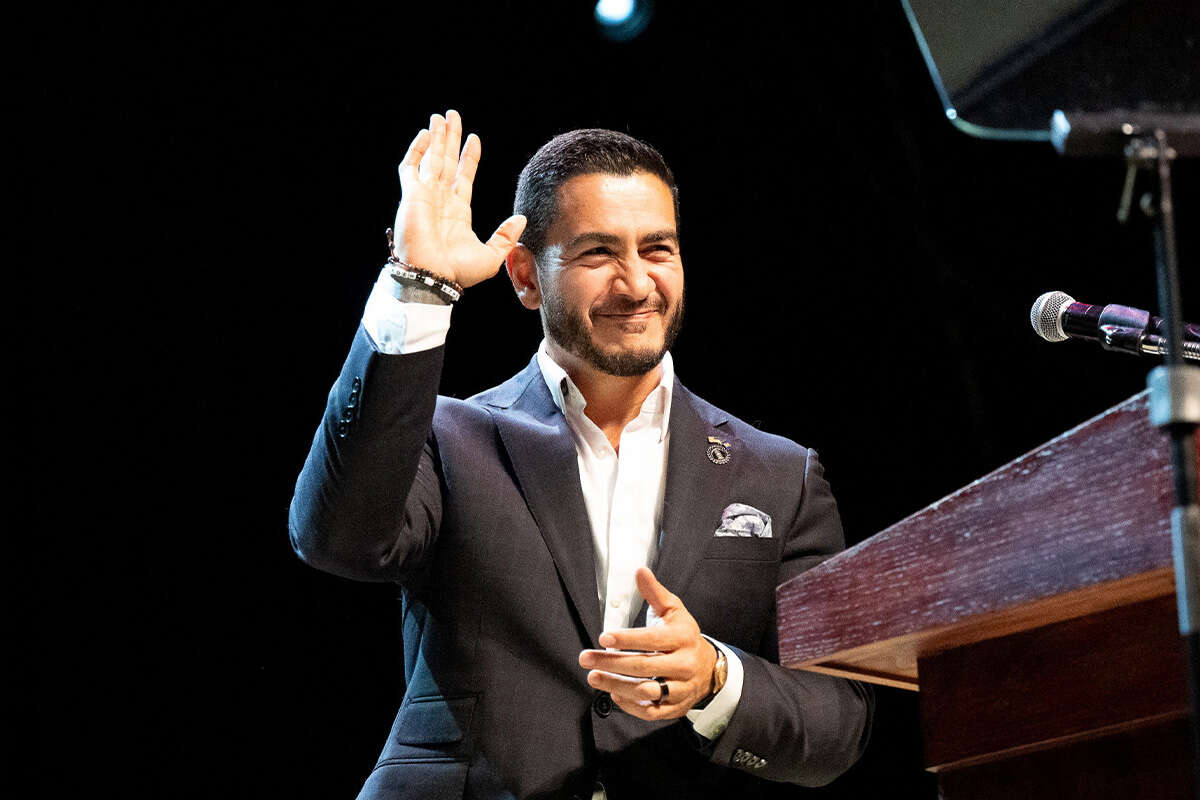
But Stevens lost an exceptionally close race to Dr. Abdul El-Sayed, a physician and epidemiologist who previously served as health director for Wayne County and emerged from the heart of the progressive camp. El-Sayed defeated Stevens by a fraction of a percentage point, rather than delivering the knockout victory that polls and betting markets had predicted. Nevertheless, her defeat has sent shock waves through the US political establishment.

The implications extend far beyond a single primary. This is a story about the Democratic Party's transformation and radicalization, about Israel becoming a domestic political issue that is roiling the United States, and about Israel continuing to watch this change from the sidelines instead of building meaningful and independent diplomatic relationships with Republicans and Democrats alike.
El-Sayed based his campaign on two central promises: making government-funded health insurance available to everyone and removing big money from politics. But in a country where the war in Gaza had already become an electoral issue by 2024, and where every American citizen contributes roughly $1 a month toward military assistance for Israel, support for the Jewish state has also come under renewed scrutiny.
Throughout the campaign, El-Sayed attacked Stevens for what he called her "support for the genocide in Gaza." He avoided answering whether he recognized Israel's right to exist as a Jewish and democratic state and succeeded in turning the support she received from pro-Israel organizations from an advantage into a liability. According to El-Sayed, Stevens was a "puppet of the pro-Israel lobby" and would therefore also be a puppet of corporations and billionaires.
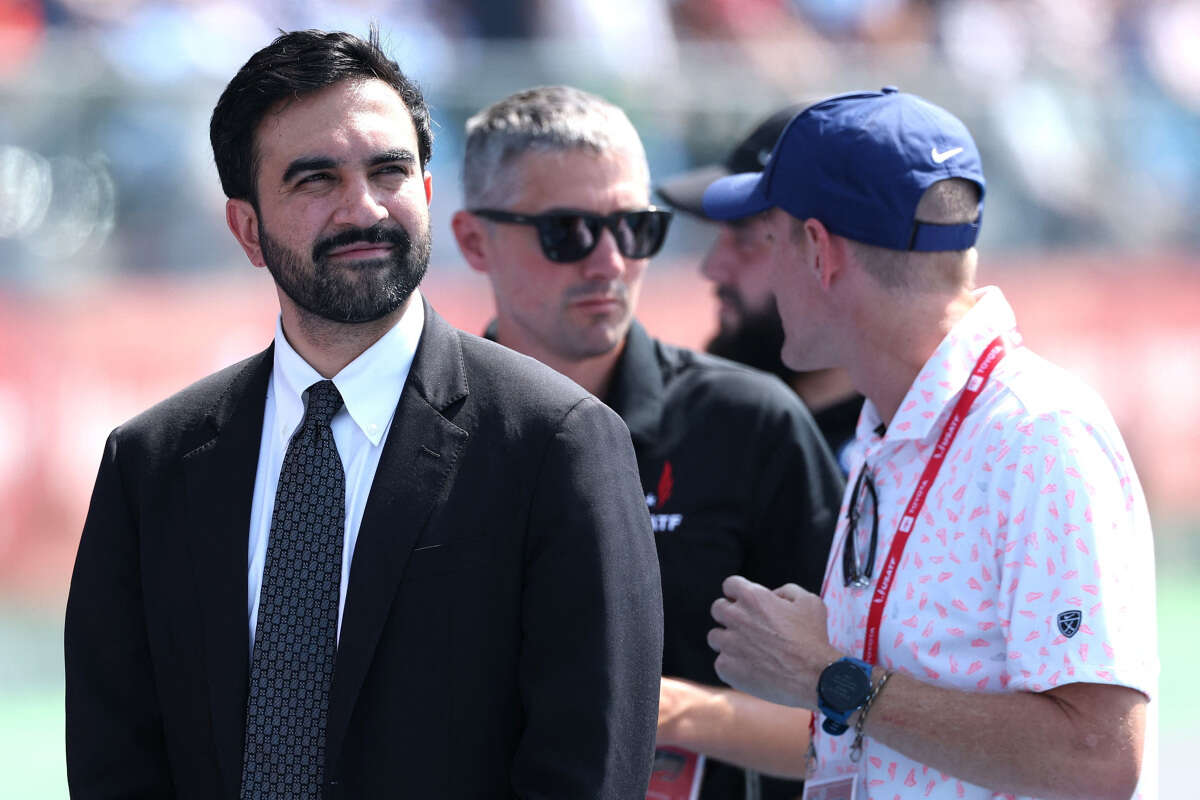
Unfortunately, El-Sayed is not the first progressive to win an election while expressing hostile positions toward Israel. He was preceded by Zohran Mamdani in New York. In recent weeks, congressional candidates Claire Valdez and Darializa Avila Chevalier in New York and Melat Kiros in Colorado have also joined the trend. El-Sayed, however, is the first to do so in a statewide primary in a "purple" battleground state, one divided almost evenly between Democrats and Republicans, rather than in an overwhelmingly Democratic district where winning the primary virtually guarantees victory in the general election.
Many believed his positions were too extreme for Michigan Democrats, who are generally considered more moderate than their counterparts in New York or Colorado. Anyone who made that assumption has now been proved wrong. Progressive positions are no longer confined to the party's fringes, and hostility toward Israel is no longer a political poison pill.
That makes El-Sayed's victory far more significant than Mamdani's win in New York. Any Democratic nominee would have entered the New York City mayoral election as the front-runner. In battleground Michigan, by contrast, the Democratic electorate is more moderate and strategically minded, yet it still chose El-Sayed.
The real test will come in November's midterm elections. El-Sayed will face Republican Mike Rogers, who will do everything possible to portray him as an extremist, an Islamist and a communist waging war on everything American. To win, El-Sayed will also have to mobilize Stevens' voters, some of whom are concerned about precisely the positions that propelled him to victory.
Should he succeed and become the first progressive senator to represent a battleground state, he will give an enormous boost to the Mamdani camp and demonstrate that the Democratic Party's transformation runs deeper than many had believed.
Should he lose, Democrats will learn the hard way that what works in New York could drive them further away from the battleground states and, eventually, from the White House.
Rotem Oreg-Kalisky is an expert on US politics and foreign policy and the executive director of LIBAREL.